
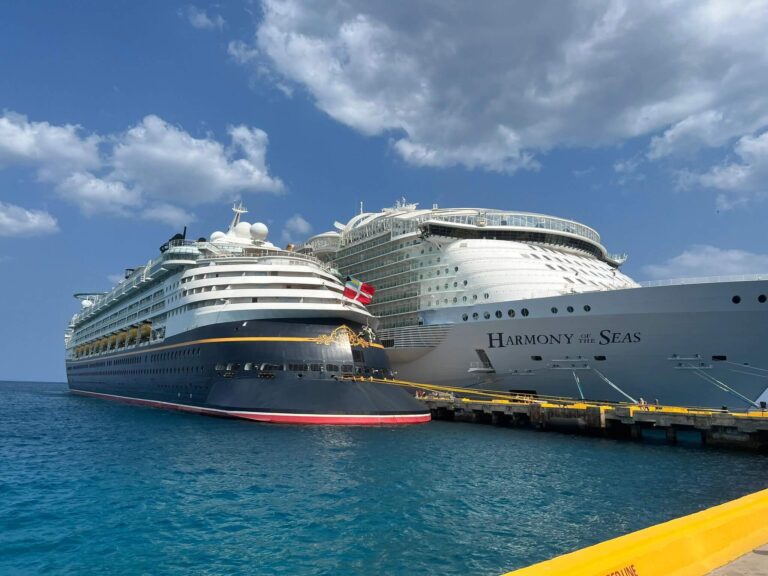
Cruising has this funny way of feeling familiar and completely different at the same time.
The buffet is still there, and someone is still reserving six pool chairs with one flip-flop.
But underneath all that, quite a lot is changing in 2026.
Some changes affect your passport and the way you enter a country. Others involve loyalty points, port fees, drink packages, and destinations that are no longer as “included” as they first appear.
None of these things should ruin your vacation. Still, a little preparation can save you from delays, unexpected charges, and that horrible moment when you realize you needed to complete an online authorization before leaving home.
Carnival’s loyalty program is changing completely
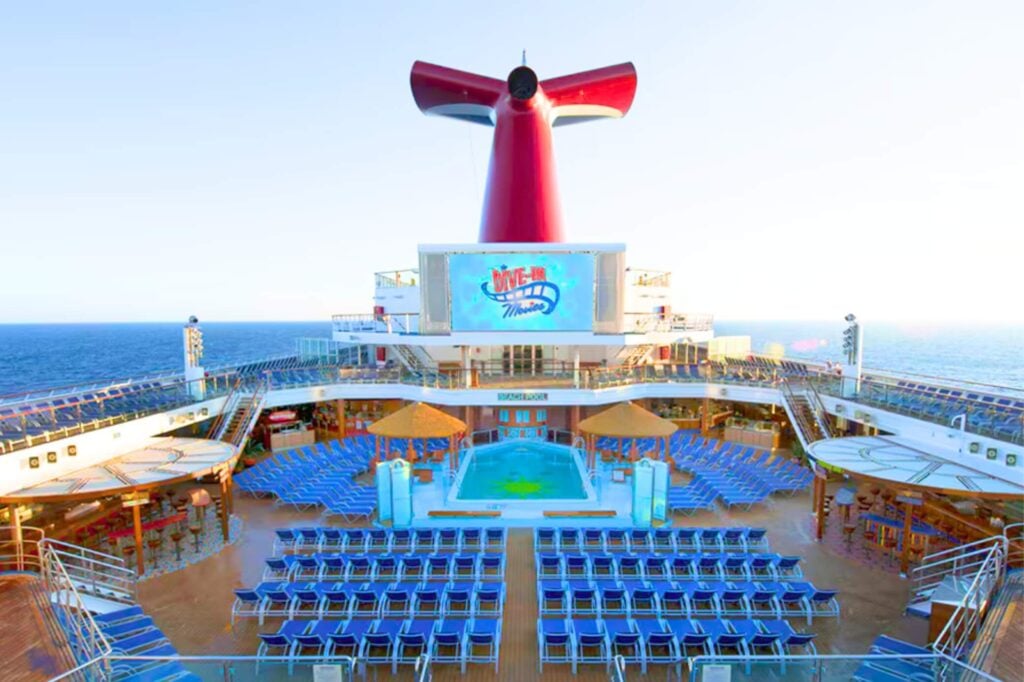
Carnival cruisers have one of the biggest loyalty changes to deal with in 2026.
Beginning September 1, the familiar VIFP Club system will transition to Carnival Rewards.
The important difference is that future status will be connected much more closely to how much you spend, rather than being based mainly on the number of cruise days you accumulate.
Under the new system, members will earn three reward points and three status-qualifying stars for every eligible dollar spent with Carnival.
Points can be redeemed for cruise-related purchases, while stars will be used to determine loyalty status.
Status will also operate in two-year earning cycles.
That is quite a departure from the old feeling of slowly climbing the loyalty ladder and keeping your level permanently.
Carnival has added protections and transition benefits for existing members, particularly Platinum and Diamond cruisers.
Even so, this is a major philosophical change. A passenger who books suites, excursions, drink packages, and other extras may move through the program faster than someone who cruises frequently but spends very little onboard.
Visiting Mexico now comes with a higher cruise passenger fee
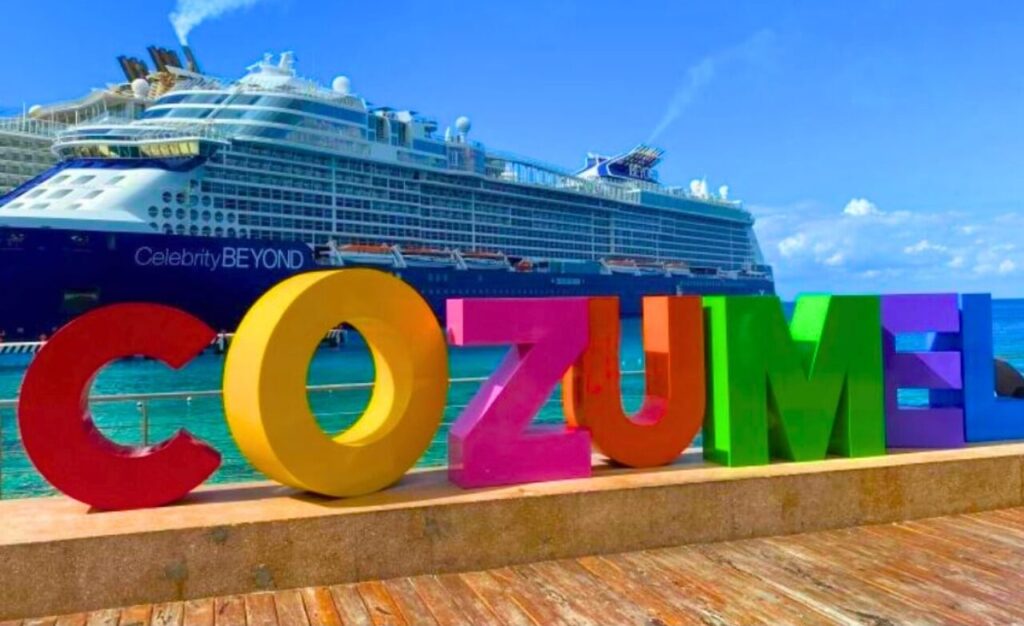
Mexico remains one of the most popular cruise destinations in the world, especially for ships sailing from Florida, Texas, and California.
It’s also getting more expensive.
On August 1, 2026, Mexico increased its fee for foreign cruise passengers from $5 to $10 per person.
The charge is generally collected through the cruise line or shipping agent.
The good news is that the fee normally applies once per itinerary, not separately at every Mexican port.
Ten dollars may not sound dramatic, and for one person it really is not. But for a family of five, it is another $50 added to a vacation that may already include gratuities, excursions, Wi-Fi, drinks, and transportation.
Cruise packages are becoming more expensive and more complicated

Remember when you could look at a drinks package, check the daily price, and decide whether it was worth it?
It’s not always that simple anymore.
Cruise lines are increasingly bundling drinks with Wi-Fi, gratuities, dining, photos, fitness classes, delivery fees, and shore excursion credits.
The package may offer good value, but only if you would actually use those extras.
Princess is a good example. For its updated 2026 packages, the pre-cruise price of Princess Plus increased to $65 per person, per day.
Private destinations are turning into paid resort experiences
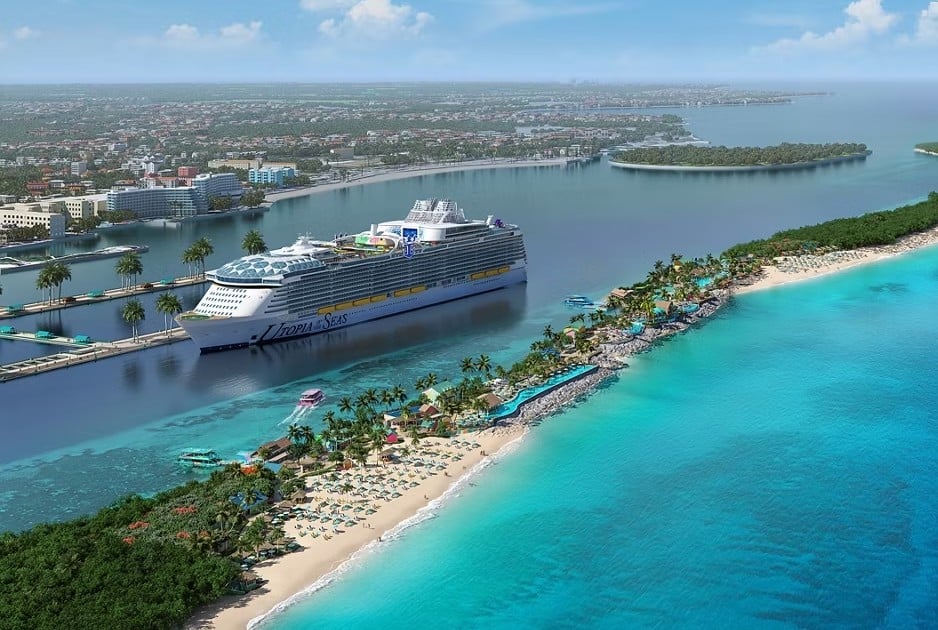
Private islands used to be fairly straightforward. The ship stopped, you walked onto the beach, found a chair, and spent the day swimming.
That basic experience still exists in some places, but cruise lines are building increasingly elaborate destination attractions, and many of the most exciting areas require a separate pass.
Royal Caribbean’s Royal Beach Club Paradise Island in Nassau is one example. Unlike Perfect Day at CocoCay, admission is not included simply because your ship visits Nassau.
Guests must purchase a day pass, which includes dining, drinks, Wi-Fi, transportation, pools, and beach access.
Royal Caribbean originally announced non-alcoholic passes starting at $129.99 for guests aged 13 and older, although actual prices can vary by sailing.
Norwegian is doing something similar at Great Stirrup Cay. Its nearly six-acre Great Tides Waterpark opens on September 4, 2026, with 19 slides, cliff jumps, a children’s splash zone, and an 800-foot Wandering River.
Access requires a separate day pass, and Norwegian says pricing will vary.
Popular European ports are controlling cruise crowds more aggressively

Overtourism is not a new conversation, but in 2026 more ports are turning that conversation into actual rules.
Dubrovnik’s 2026 berthing policy limits the number of cruise visitors arriving simultaneously to 4,000 and sets minimum visit lengths depending on ship capacity.
The goal is to spread passenger arrivals and reduce pressure on the historic city.
Cannes has also introduced tighter controls affecting large ships and the number of cruise passengers who can disembark during the day.
Venice expanded its access fee program to 60 selected dates in 2026. During the trial period, day visitors entering the historic center paid €5 when booking early or €10 closer to the visit.
For cruisers, these policies can lead to changed arrival times, shorter or longer port visits, tender operations, additional charges, or itinerary substitutions.
The newest ships are spreading far beyond Florida

For years, the newest and most heavily promoted cruise ships seemed to head directly to Miami or Port Canaveral.
That pattern is changing.
Royal Caribbean’s Legend of the Seas made its European debut in July 2026 before its scheduled move to Fort Lauderdale for Caribbean cruises in November.
Norwegian Luna joined the fleet in 2026 with Caribbean sailings from Miami.
MSC World Asia begins sailing in the Mediterranean from Barcelona in winter 2026, bringing more than 40 bars and lounges, over 10 pools and whirlpools, and several family attractions to the region.
Then there is Disney Adventure, Disney Cruise Line’s first ship based in Singapore. It operates three and four-night cruises and represents a serious expansion of mainstream cruising in Asia.
At the same time, older ships are receiving much larger upgrades. Royal Caribbean announced 2026 amplifications for Ovation, Harmony, and Liberty of the Seas, adding or redesigning restaurants, pool areas, entertainment spaces, and other venues.
That is good news for cruisers who prefer established ships. You do not necessarily have to book the newest vessel to get new restaurants and attractions.
Gratuities and service charges continue to creep upward
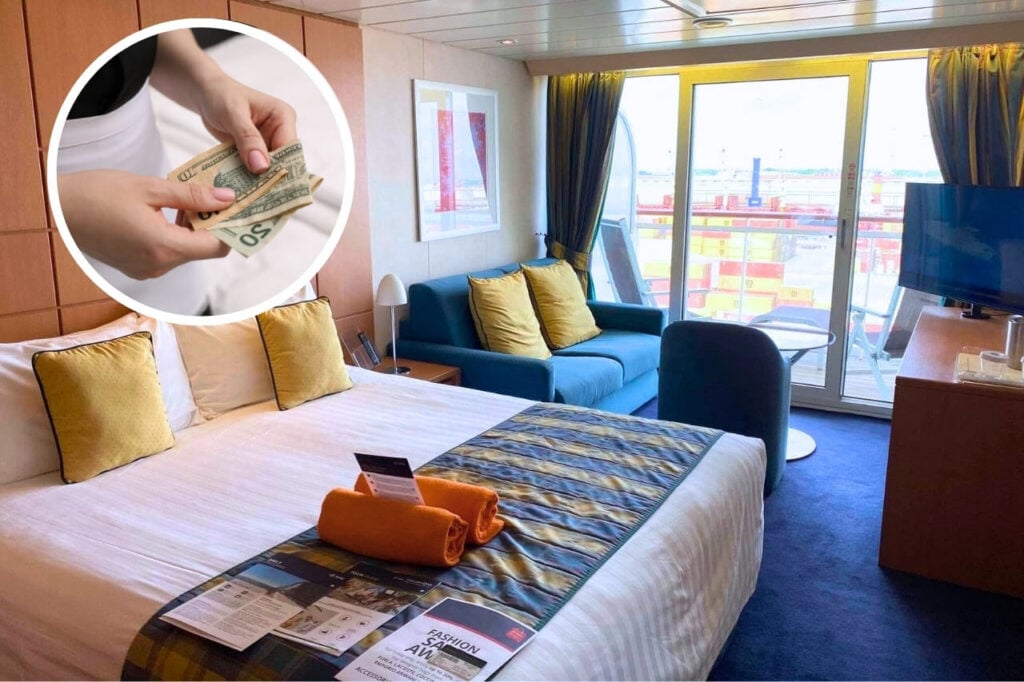
The cruise fare might look attractive, but the daily cost of being onboard continues to rise.
In March 2026, Princess increased its daily crew appreciation amounts to $18 per person for standard cabins, $19 for mini-suites and similar categories, and $20 for suites.
A family of four in a regular cabin now pays $504 in crew appreciation on a seven-night cruise.
And that is before any extra tips, specialty dining charges, or beverage service fees.
Other mainstream cruise lines are in a similar range, generally charging somewhere around $17 to $20 per person, per day for standard accommodations. Suites can cost more.
There is also the percentage-based service charge added to drinks, spa treatments, specialty restaurants, and packages. Depending on the cruise line and purchase, it may be 18 or 20 percent.
New adults-only cruise line
Adults-only cruising is no longer limited to Virgin Voyages, Viking, and a handful of selected ships.
As of January 7, 2026, Oceania Cruises accepts only guests aged 18 and older for new reservations on future voyages.
Existing bookings made before that date that included younger passengers are still being honored.
This is a pretty substantial identity change for the luxury cruise line.
Oceania has never been heavily focused on children. You did not board one of its ships expecting huge water slides and dozens of kids’ activities. Still, families with teenagers or adult children under 18 could previously travel together.
Now the line is positioning itself very clearly toward adult travelers who want quiet ships, longer itineraries, destination-focused days, and a more relaxed dining experience.
For couples who actively avoid family-heavy ships, this creates another option. For multigenerational groups, it removes one.