

Your cruise cabin will be your little home at sea for quite a few days, so it should feel clean, comfortable, and, most importantly, safe.
Most of the time, it will be. Cabin stewards work incredibly hard, and cruise ships have maintenance teams available around the clock. Still, problems do happen.
I’ve stayed in quite a few cruise cabins over the years, from tiny inside cabins to balconies and suites. One thing I’ve learned is that you should never feel awkward about reporting something that doesn’t seem right.
You are not being difficult. You are giving the crew a chance to fix the issue before it becomes a much bigger problem.
Here are the cruise cabin red flags you should report as soon as you notice them.
1. A Strong Sewage Smell
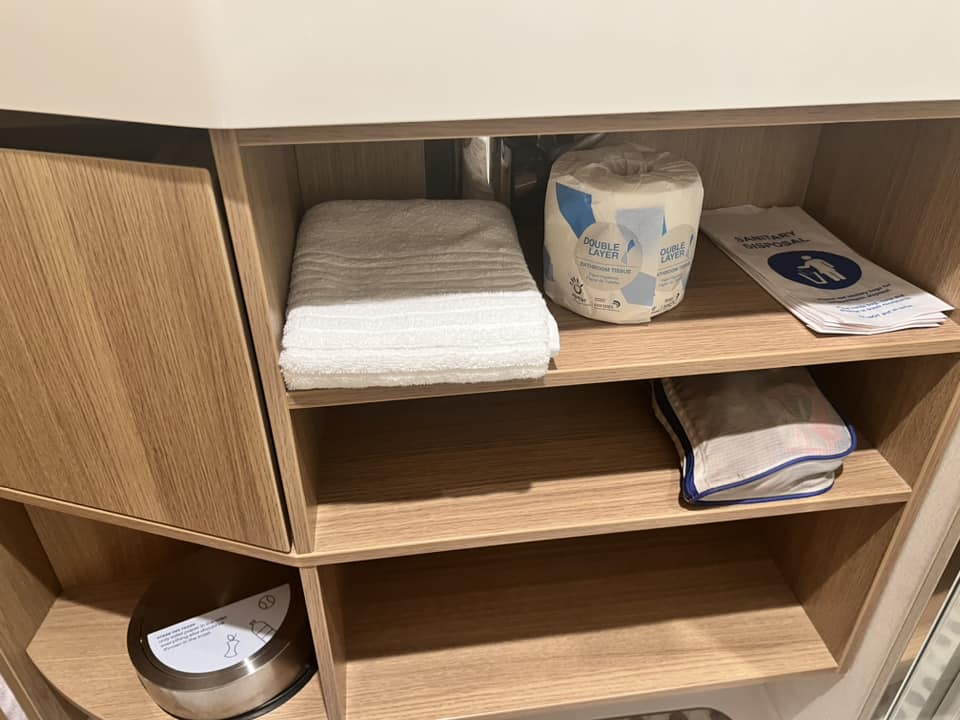
A mild bathroom smell immediately after boarding can sometimes be caused by the cabin sitting unused or by water evaporating from a drain.
However, a strong and persistent sewage smell isn’t normal.
It may indicate a problem with the toilet, drain, plumbing system, or ventilation. In some cases, the smell can become significantly worse once the ship starts moving.
Try running some water in the sink and shower first. If the odor remains, call guest services or let your cabin steward know.
Don’t spend your entire cruise spraying perfume around the bathroom and hoping it will disappear. These smells often require someone from maintenance to inspect the pipes or drain system.
The earlier you report it, the more time the crew has to solve it.
2. Wet Carpet or Water Near the Walls
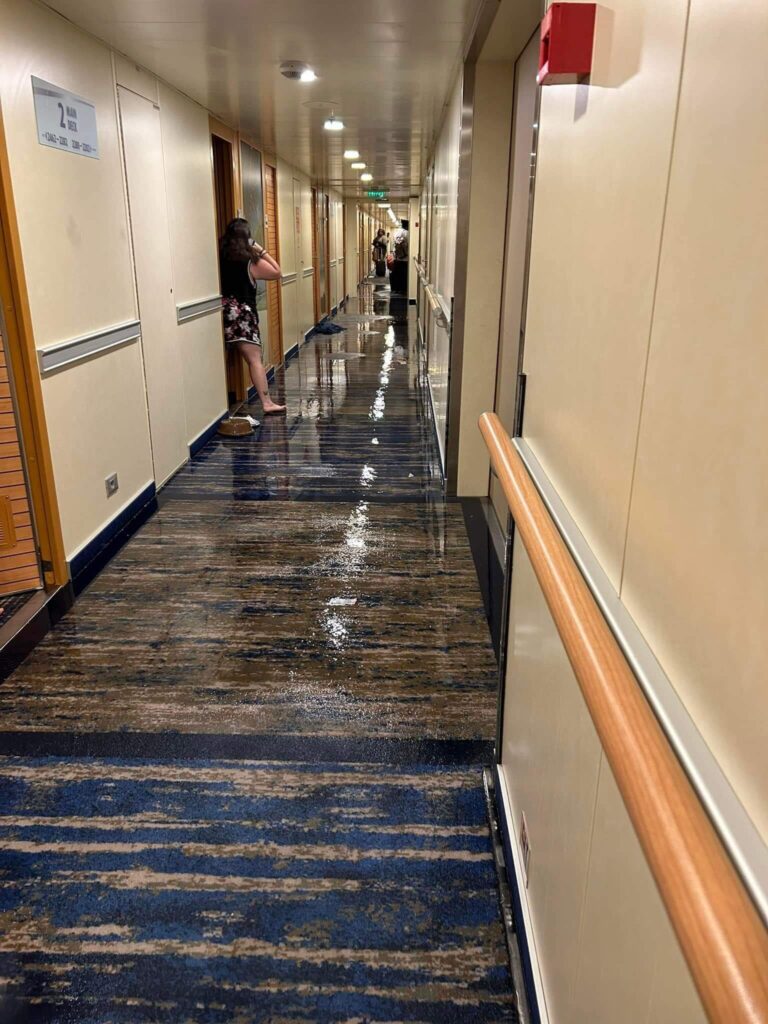
If you notice wet carpet, water collecting around the bathroom, or dampness near a wall, report it immediately.
It could be something fairly simple, such as water escaping from the shower.
But it could also be a leaking pipe, a problem with the air-conditioning system, or water coming from the cabin next door.
Cruise ship cabins contain a lot of plumbing in a very compact space. Even a small leak can spread surprisingly quickly.
Pay particular attention to damp areas that feel unusually warm, smell musty, or keep returning after being dried.
Don’t simply place a towel over the spot. A hidden leak can damage your luggage, create slippery surfaces, and eventually lead to mold.
3. Electrical Outlets That Spark or Feel Hot
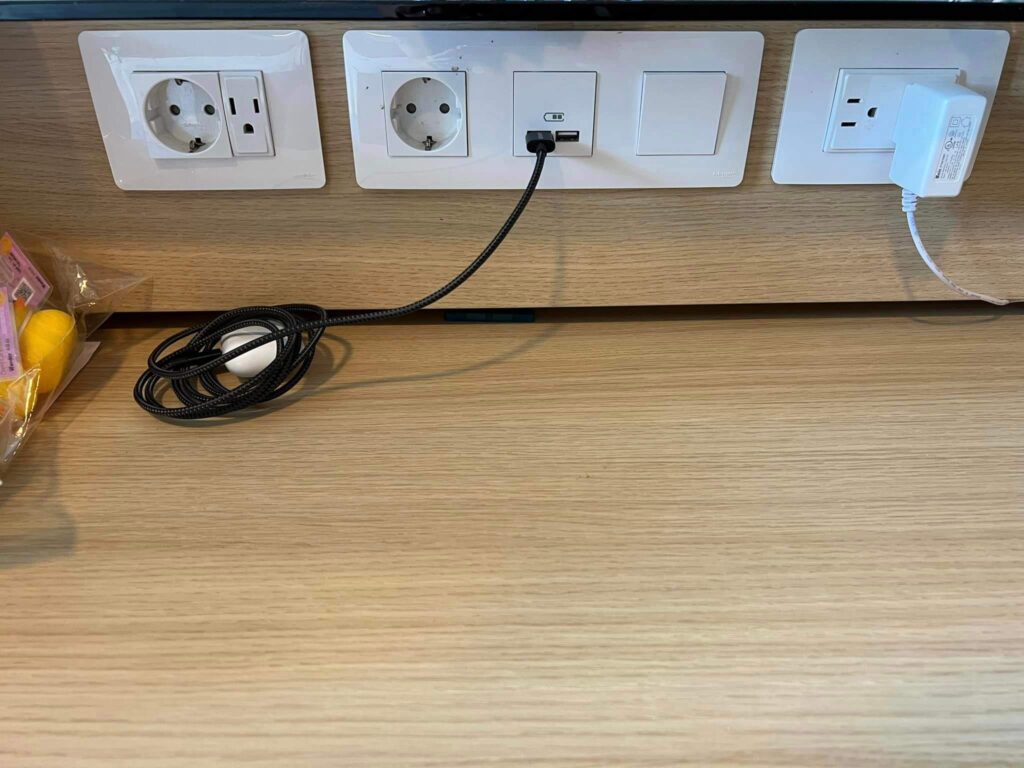
Cruise cabins usually have a limited number of electrical outlets, which means you will probably use the same ones repeatedly.
Before plugging in all your devices, take a quick look at the outlets. If you see scorch marks, loose fittings, or damaged plastic, do not use them.
You should also unplug your device and call the crew if an outlet sparks, makes a buzzing sound, or becomes unusually hot.
A tiny flash when inserting certain plugs can occasionally happen, but repeated sparking or noticeable heat should never be ignored.
Avoid trying another adapter to see if that fixes it. Let the ship’s electricians inspect the outlet properly.
4. A Balcony Door That Does Not Lock
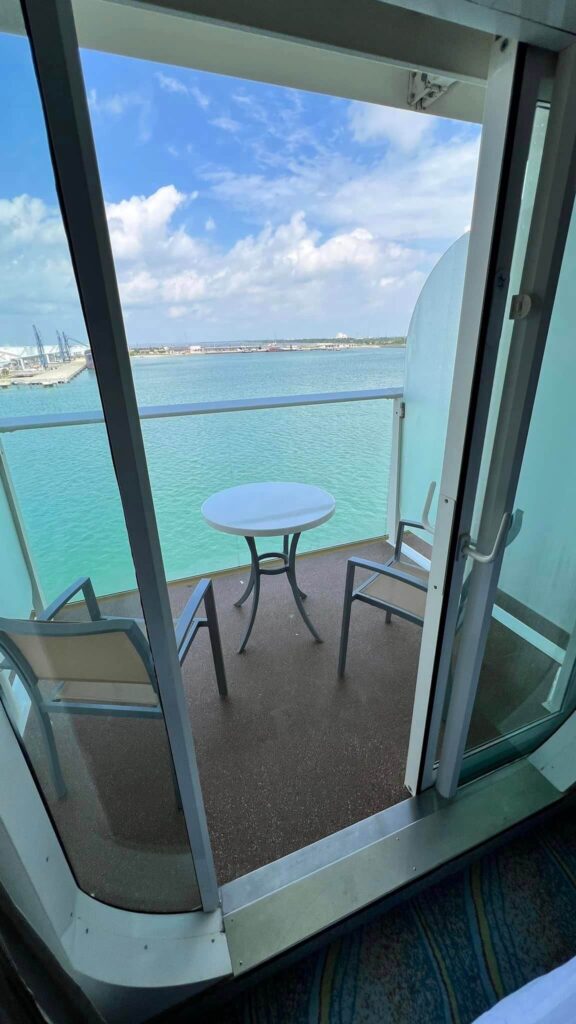
Balcony doors are heavier than regular doors and can sometimes feel difficult to close. Still, you should be able to close and lock yours securely.
If the handle is loose, the door slides open by itself, or the lock does not engage, report it before going to sleep or leaving the cabin.
This is especially important if you are traveling with children.
A door that doesn’t seal correctly can also allow wind, rain, and outside noise into the room.
PRO CRUISER: On some modern ships, the balcony door is also connected to the AC system. If the door isn’t properly closed, the air conditioning won’t turn on to save energy.
5. Signs of Bedbugs
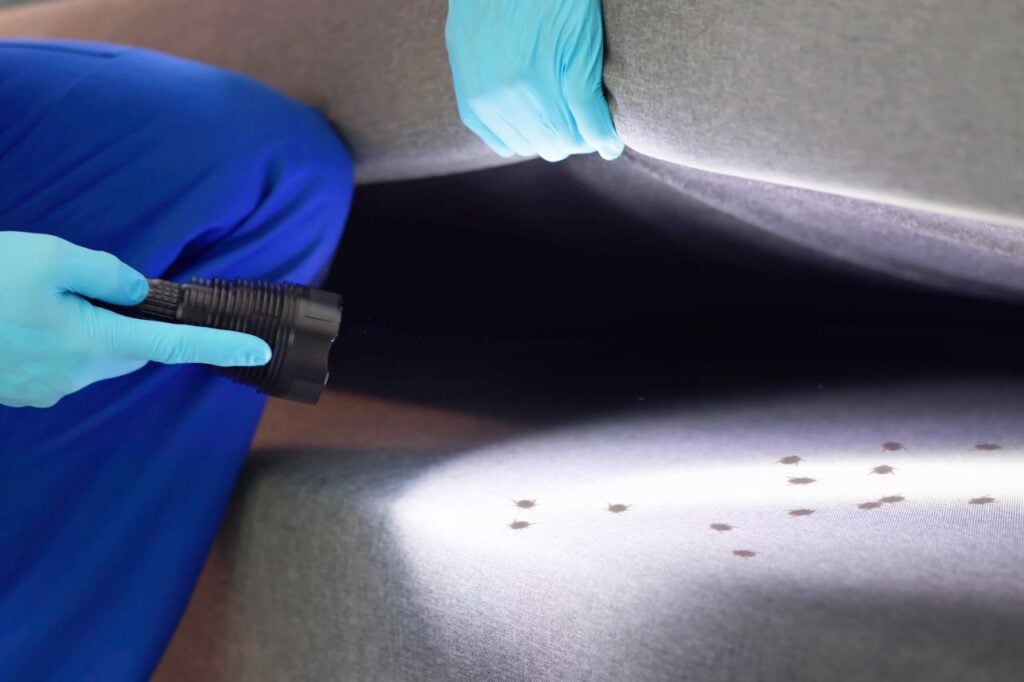
Bedbugs are not that common on cruise ships, but they can appear anywhere that receives a constant flow of travelers and luggage.
Before unpacking, quickly inspect the mattress seams, headboard, and the area around the bed. You are looking for tiny dark spots, small reddish stains, shed skins, or live insects.
Don’t panic over every random mark on a mattress. Cruise cabin beds experience a lot of use, so an old stain does not automatically mean bedbugs.
However, if you see several suspicious signs together, take photos and contact guest services immediately.
Keep your luggage closed and away from the bed until the cabin has been inspected.
The crew may need to bring in trained staff, inspect your luggage, and arrange a different room.
6. A Smoke or Burning Smell
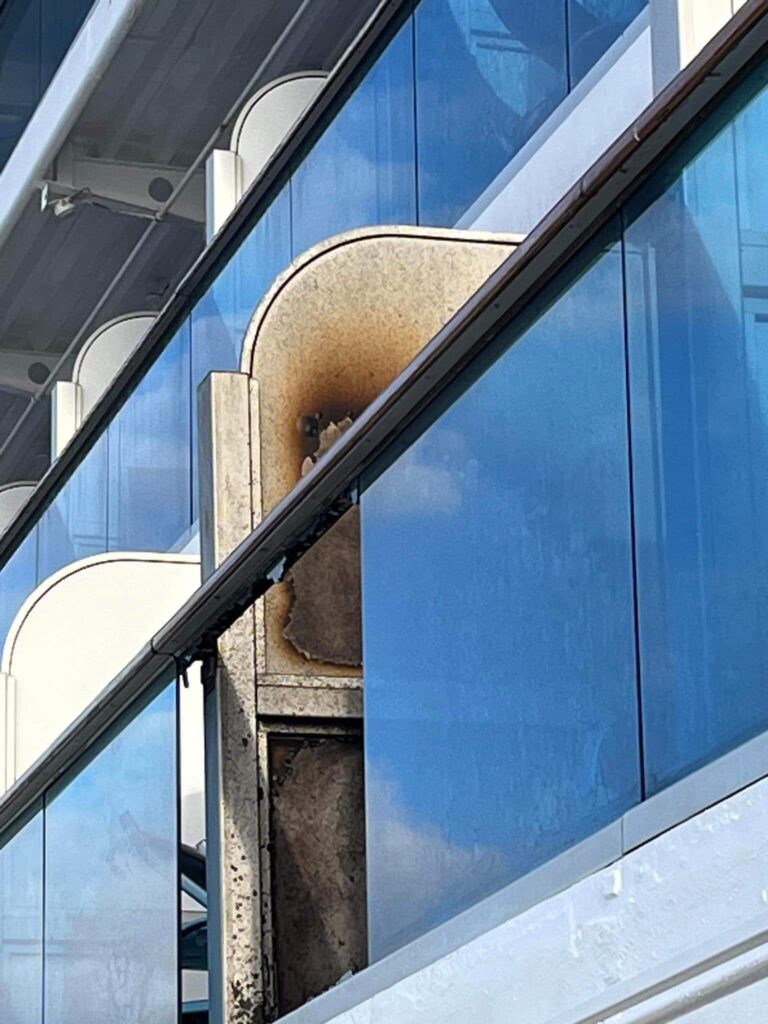
Any unexplained smoke or burning smell should be reported immediately, even if you cannot see actual smoke.
It could be coming from an electrical fitting, a hair dryer, an appliance, or another nearby cabin. It may turn out to be nothing serious, but fires are treated very seriously at sea for an obvious reason.
Call the ship’s emergency number or guest services and clearly explain what you can smell and where it seems to be coming from.
Do not walk around opening electrical panels or trying to locate the source yourself.
The same goes for a strong cigarette smell that appears suddenly. Smoking is prohibited inside cabins and on balconies on most cruise lines, and smoke can travel through adjoining doors or ventilation gaps.
7. A Damaged or Missing Smoke Detector
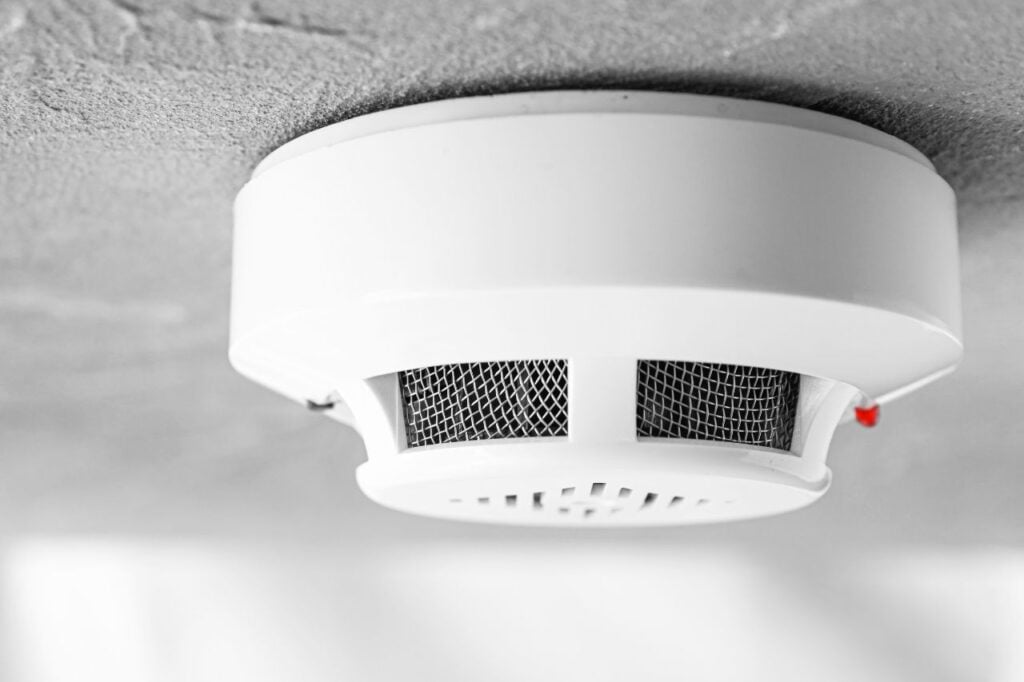
Take a quick look at the ceiling when you enter your cabin.
You should see a smoke detector and, depending on the ship, other fire safety equipment. If the detector appears damaged, covered, hanging loose, or missing, contact the crew.
Never cover it because of a blinking light or because you believe it’s causing a noise.
You should also report repeated unexplained beeping. It may indicate a fault that needs attention, and it is better to have the safety team check it than to ignore it for several days.
Cruise ships have extensive fire detection systems, but every part of that system needs to work correctly.
8. Black Spots or a Persistent Musty Smell
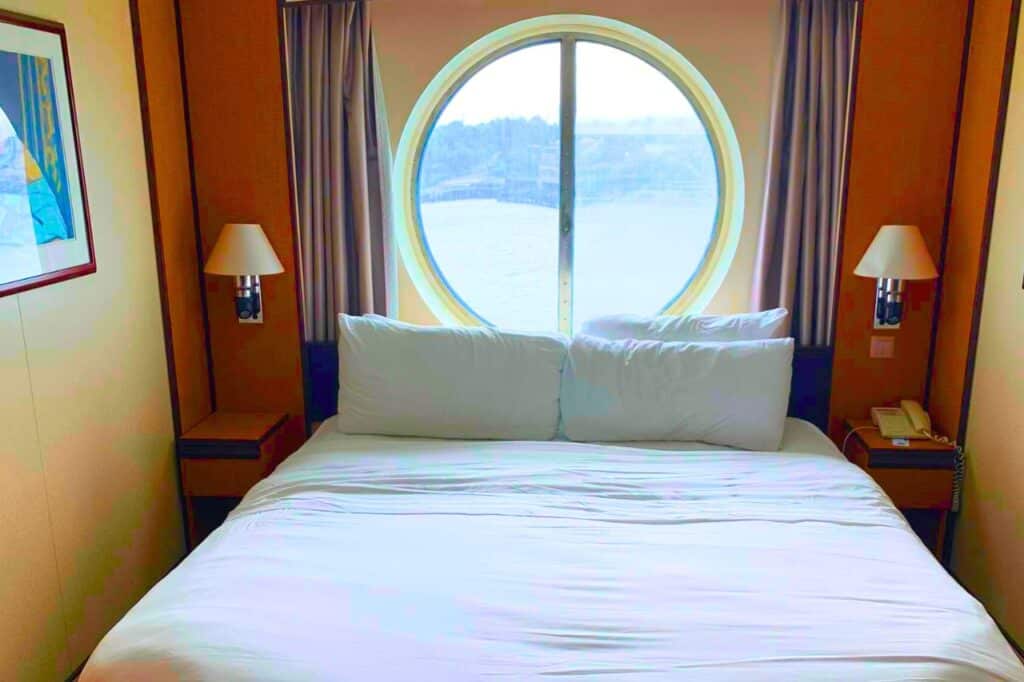
Bathrooms and air-conditioning vents can occasionally develop small amounts of surface buildup because cruise cabins are exposed to constant humidity.
Large patches of black or green discoloration are another story.
Check around the shower seals, ceiling vents, curtains, and the edges of the bathroom floor. If you notice suspicious growth or a strong, persistent musty odor, report it.
It might be dirt, aging sealant, or harmless discoloration. It could also be mold caused by a ventilation or moisture problem.
Either way, you shouldn’t have to spend your vacation breathing in a damp-smelling cabin.
9. A Toilet That Keeps Filling or Will Not Flush
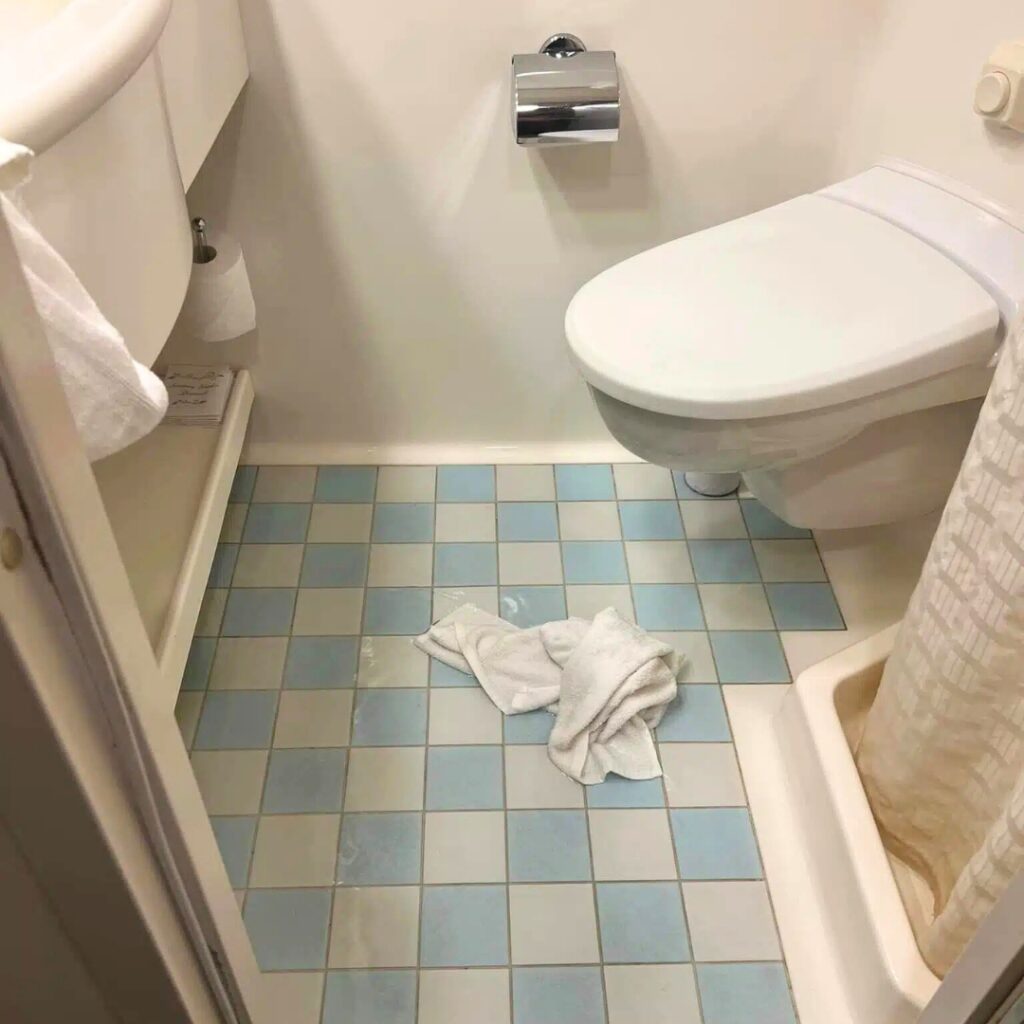
Cruise ship toilets work differently from the toilets you probably have at home.
They use a powerful vacuum system, and there can occasionally be a short delay after pressing the button.
A brief delay is not necessarily a problem.
However, you should report a toilet that repeatedly fails to flush, makes strange noises for a long time, fills with water, or appears close to overflowing.
Don’t keep pressing the flush button over and over. And definitely don’t try to take the toilet apart.
A blockage can sometimes affect several cabins connected to the same section of the ship.
And please remember that only toilet paper should be flushed. Flushing other objects down the toilet is one of the 10 things cruise ship workers hate to see.
10. A Door That Does Not Close Properly
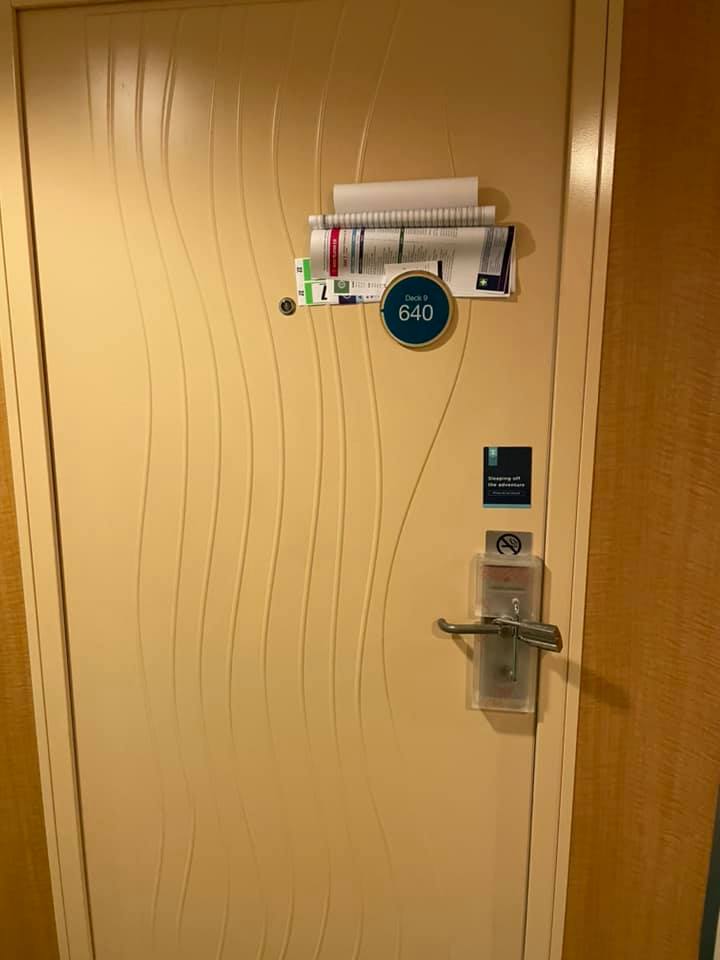
Your cabin door should close and latch by itself when you let it go.
If it stays slightly open, requires a hard slam, or can be pushed open without using your cruise card, report it immediately.
First, check that nothing is blocking it. Sometimes a door decoration or item of clothing can prevent the door from closing completely.
If the doorway is clear and the problem continues, the lock or closing mechanism may need adjustment.
This is both a security and a fire safety issue. Cabin doors are designed to remain closed, and you do not want to leave your room believing it is locked when it actually is not.
Remember that certain crew members can enter your cruise cabin when necessary, but nobody else should be able to access it.
Don’t Wait and Don’t Be Afraid to Speak Up
One of the biggest mistakes passengers make is waiting to mention a cabin problem.
Some passengers avoid reporting things because they don’t want to seem difficult. I understand that. Nobody wants to begin a vacation by complaining.
But reporting a genuine maintenance or safety concern is not the same as making a fuss.
If something affects your safety, health, or ability to use the room, report it as soon as possible.
Start with your cabin steward for simple issues. For anything urgent, serious, or unresolved, contact guest services directly.
Take pictures or a short video when the problem is visible. Write down when you first reported it and who you spoke to, especially if the issue keeps returning.
Most cabin problems can be fixed quickly. A blocked drain, loose balcony handle, or faulty outlet may only require a short visit from maintenance.
And if it cannot be fixed, reporting it early gives the cruise line a better chance of finding another solution, which could include moving you to a different cabin if one is available.
This is why it’s smart to verify these 10 important things as soon as you enter your cruise cabin, rather than discovering a problem late at night.