
Packing for a cruise seems pretty simple. Clothes, sunscreen, chargers, maybe a nicer outfit for dinner, and you’re done.
Except cruise ships have much stricter security rules than many first-time passengers realize.
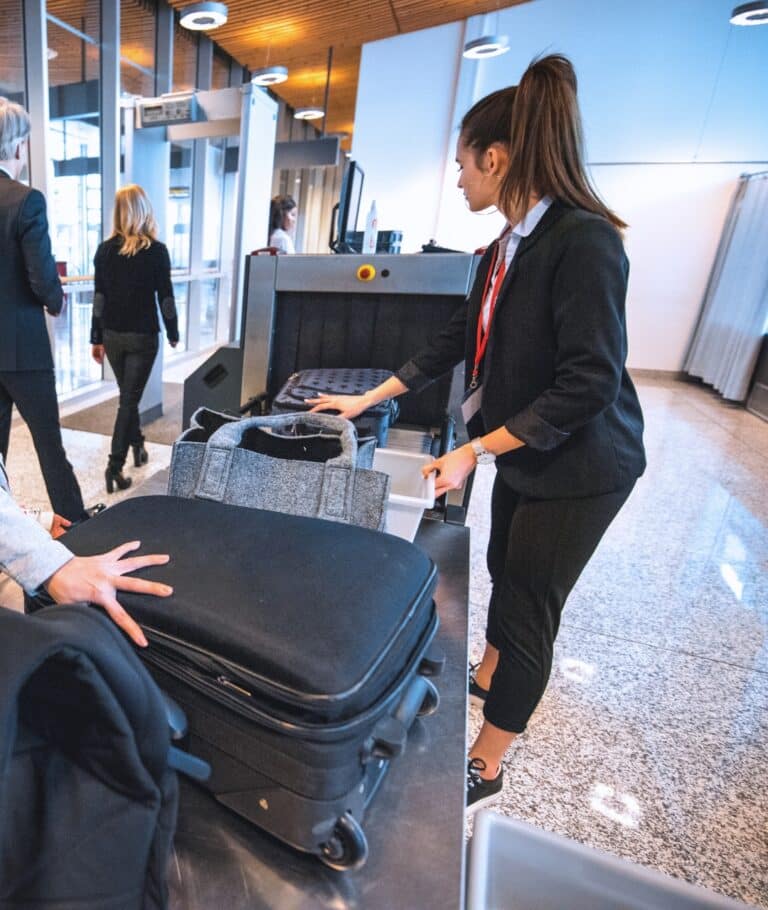
Every suitcase is screened before it makes its way to your cabin, and carry-on bags go through security too. If something questionable shows up, your bag may be pulled aside and the item removed. In some cases, you might get it back at the end of the cruise. In others, you won’t.
The exact rules vary slightly between cruise lines, but major companies including Royal Caribbean, Carnival, and Norwegian all maintain fairly extensive prohibited-item lists.
And some of the things on those lists are surprisingly normal household items.
Here are 10 things you definitely don’t want hiding in your suitcase on embarkation day.
1. Clothing Irons

This is probably the classic cruise packing mistake.
You pack a nice shirt or dress for formal night, imagine it getting horribly wrinkled inside your suitcase, and toss your travel iron in at the last minute.
Don’t do it.
Clothing irons are prohibited by major cruise lines because the heating element creates a fire risk. Royal Caribbean, Carnival, and Norwegian all specifically restrict them.
Cruise ships take fire prevention extremely seriously, for fairly obvious reasons.
If wrinkled clothes bother you, use the ship’s laundry or pressing service where available. Hanging clothes in the bathroom while taking a hot shower can also help with lighter wrinkles.
And yes, everyone else’s clothes are slightly wrinkled too. It’s a cruise. Nobody is inspecting your shirt that closely.
2. Garment Steamers
This one catches people because a steamer doesn’t feel nearly as dangerous as an iron.
Unfortunately, security generally sees things differently.
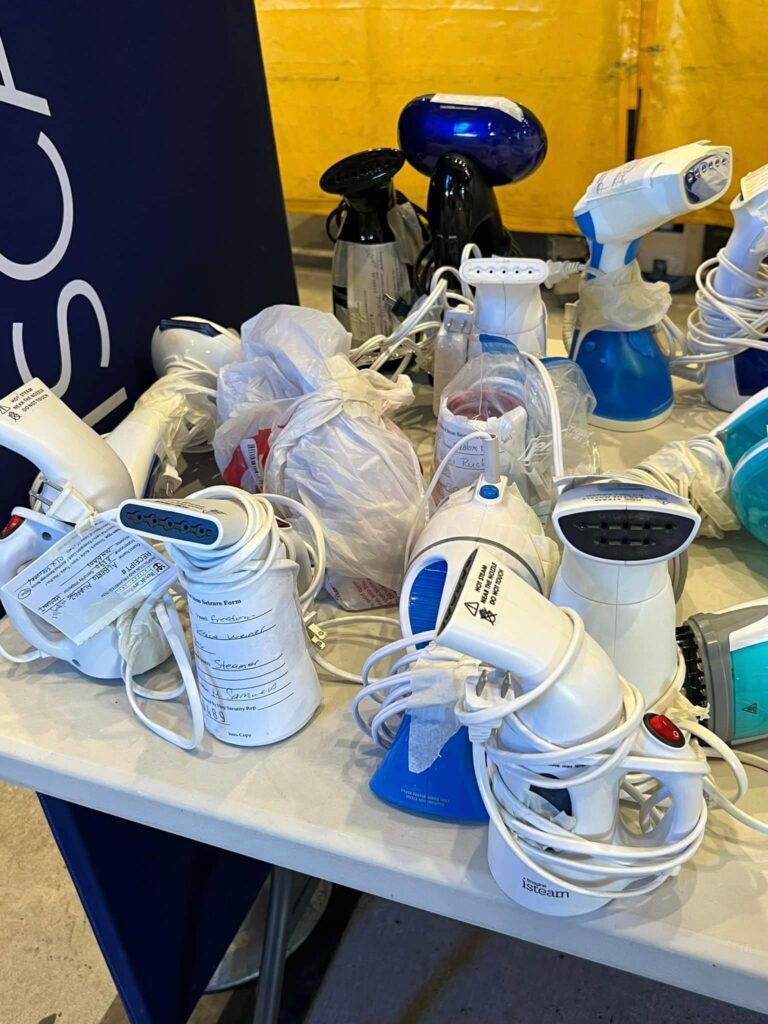
Many steamers contain a heating element and produce extremely hot steam, putting them into the same general fire-risk category as irons.
Royal Caribbean specifically lists clothing irons and garment steamers as prohibited items.
It’s worth mentioning that regular hair-styling appliances are often treated differently. For example, Royal Caribbean allows personal curling and flat irons, while Norwegian also allows common grooming appliances subject to safety requirements.
So don’t assume every heated appliance follows the same rule.
3. Candles

A candle on the balcony at sunset might sound romantic.
Security will disagree.
Anything involving an open flame is a major problem on a cruise ship, which means traditional candles are firmly on prohibited-item lists.
Royal Caribbean and Norwegian both specifically prohibit candles and other open-flame items.
Even tiny decorative candles aren’t worth packing.
If you’re celebrating an anniversary or birthday and want some atmosphere in the cabin, battery-operated LED candles are a much smarter option.
They don’t smell quite as nice, admittedly. But they also won’t end up spending embarkation day with ship security.
4. Incense
Incense sometimes gets forgotten because passengers don’t really think of it as a “dangerous” item.
But once it’s burning, you’ve got heat, smoke, and an open flame inside a very small cabin.
That combination doesn’t go over particularly well at sea.
Norwegian specifically includes incense burners among prohibited items, while Royal Caribbean also restricts incense and similar fire hazards.
Leave it home.
The same general logic applies to anything designed to burn, smolder, or produce a flame.
5. Hot Plates and Personal Cooking Appliances
You do not need to cook in your cruise cabin.
Seriously. There is food approximately everywhere.
Yet passengers still occasionally pack little heating devices, hot plates, immersion heaters, kettles, or other small appliances.
Those can be prohibited because of their heating elements. Norwegian, for example, restricts hot plates, water heaters, coffee machines with heating elements, and similar devices. Royal Caribbean also prohibits several types of personal heating and cooking equipment.
Cabins simply aren’t designed to become miniature kitchens.
Besides, one of the greatest pleasures of cruising is realizing someone else is doing the cooking for a week.
Take advantage of it.
6. Certain Power Strips and Extension Cords
This is where cruise packing rules get frustrating because the policy isn’t identical across every cruise line.
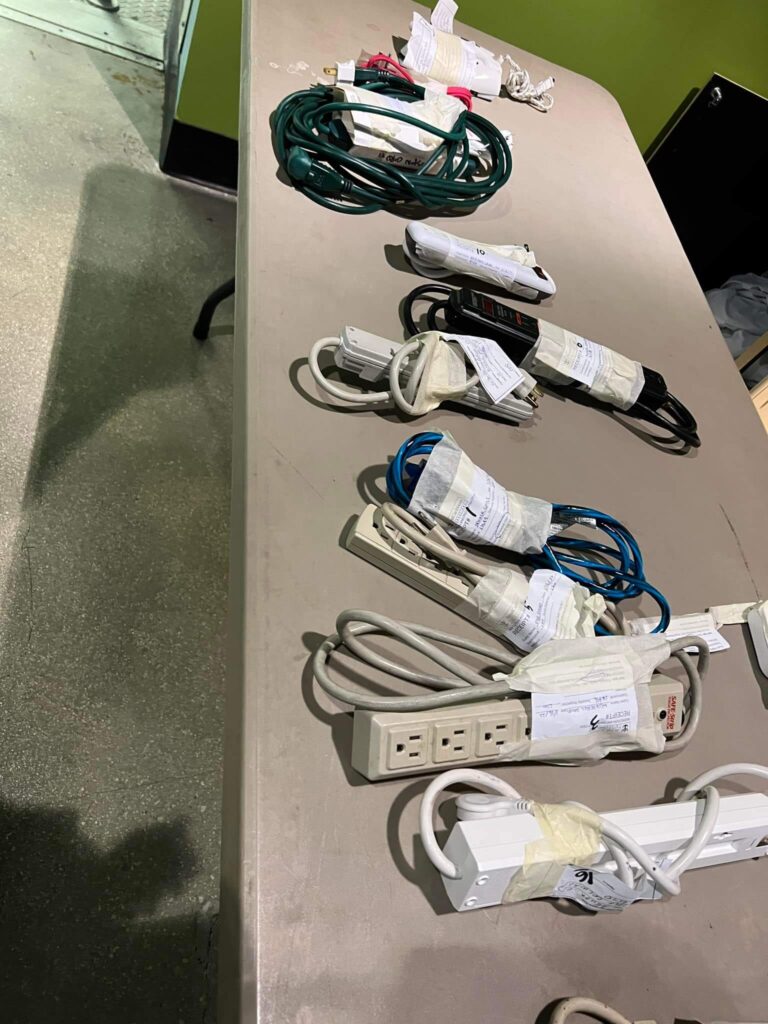
Royal Caribbean currently prohibits extension cords, power strips, and multi-plug outlets except for specific permitted charging equipment.
Carnival’s policy is different and allows some extension cords and power strips that meet its requirements, although unsafe equipment may still be removed.
This is exactly why grabbing an old household power strip before leaving home isn’t a great idea.
Cruise cabins, especially older ones, can have painfully few outlets. A cruise-approved USB charging hub is usually the safer solution.
Always check your specific cruise line before packing one, because electrical rules change more often than many passengers realize.
7. Weapons and Realistic Replicas
This one shouldn’t be surprising, but the definition of a prohibited weapon can be broader than passengers expect.
Firearms and ammunition are obvious examples. But cruise-line policies can also cover realistic replicas, certain knives, martial arts weapons, batons, and other defensive items.
Royal Caribbean prohibits weapons and dangerous items including firearms, ammunition, explosives, replicas, and gun parts. Norwegian has similarly detailed restrictions covering firearms, replica weapons, projectile weapons, several types of knives, and other offensive weapons.
And “I forgot it was in my bag” is not the conversation you want to have at the cruise terminal.
If you regularly keep any sort of defensive item in a backpack, purse, or vehicle travel bag, check every pocket before heading to the port.
8. Pepper Spray and Similar Self-Defense Sprays
This one surprises quite a few travelers.
Someone who normally carries pepper spray may automatically toss the same purse into the car before driving to the cruise terminal.
Then security finds it.
Royal Caribbean specifically prohibits disabling chemicals such as mace and pepper spray, while Norwegian also lists pepper spray, mace, tear gas, and similar incapacitating substances among prohibited items.
Check the small pockets in bags you use every day.
That’s where forgotten items tend to hide.
Cruise security isn’t interested in whether you normally carry something for personal protection on land. Once you’re boarding the ship, the cruise line’s rules apply.
9. Fireworks and Other Pyrotechnics
You might think nobody would actually pack fireworks for a cruise.
People pack strange things.
Fireworks, flares, explosives, and similar pyrotechnic devices are prohibited by cruise lines because they present an obvious fire and safety risk. Royal Caribbean and Norwegian both explicitly include these types of items in their prohibited-item policies.
Even if you’re cruising over a major holiday, leave the fireworks show to the professionals.
The ship will probably provide considerably better entertainment anyway.
And theirs won’t get your suitcase flagged.
10. Certain Bottles of Alcohol
Alcohol rules are one of the easiest ways for experienced travelers to accidentally get something confiscated.
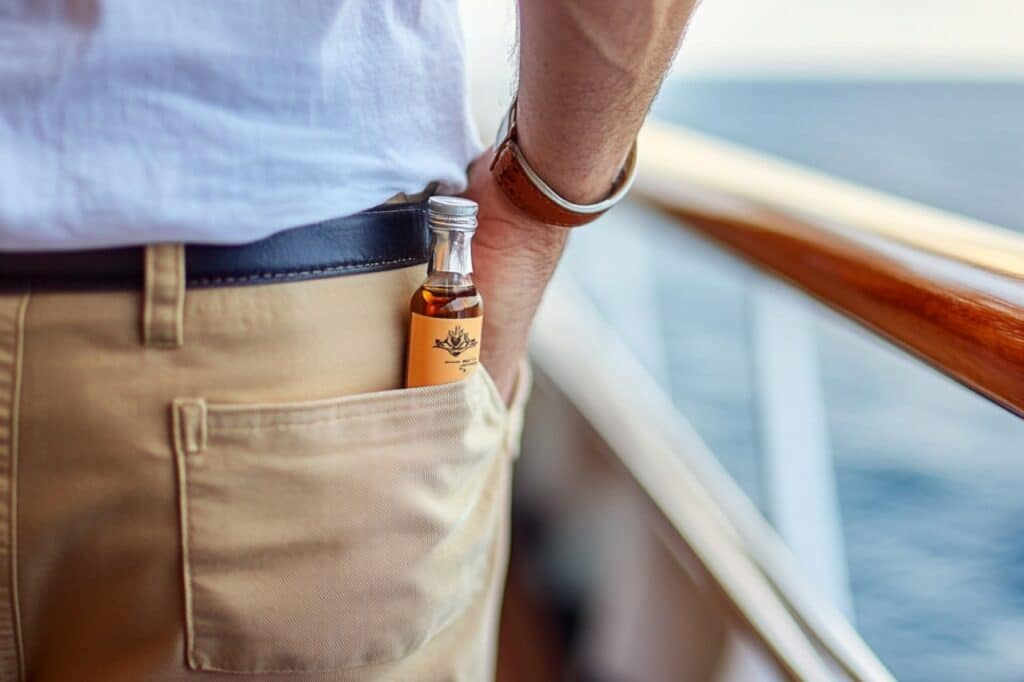
Many cruise lines allow passengers to bring a limited quantity of wine or another permitted beverage on embarkation day, but the allowance depends on the cruise line.
Bring something outside the permitted quantity or category and it may be removed.
Royal Caribbean, for example, currently allows one 750 ml bottle of wine or champagne per adult of drinking age on boarding day under its stated policy. Additional or non-compliant alcohol can be stored, confiscated, or handled according to the line’s rules.
Carnival also has its own beverage restrictions and warns passengers that prohibited alcohol may be removed during luggage screening.
So don’t rely on what you remember from a cruise five years ago.
Check the current beverage policy for your exact cruise line before you leave home.
What Actually Happens When Cruise Security Finds Something?
This is where the word “confiscated” can mean a few different things.
Some prohibited items may be stored by security and returned when you disembark. Others may be disposed of, refused entirely, or handled differently depending on what the item is and where the ship is sailing.
Royal Caribbean specifically notes that some prohibited items may be retained for the duration of the cruise and returned at departure, while other prohibited items can be denied boarding or removed from the vessel.
And sometimes you’ll notice something is wrong in a much simpler way.
Everyone else’s suitcase appears outside their cabin. Yours doesn’t.
That’s usually when the trip down to security begins.
Not exactly the way anyone wants to spend the first afternoon of vacation.
The Rule That Saves a Lot of Embarkation-Day Trouble
Before every cruise, take five minutes and read the cruise line’s latest prohibited-items page.
Not the Facebook comment someone wrote three years ago. Not a packing list saved on Pinterest. And not necessarily what was allowed on your last sailing.
Cruise policies can change.
Pay particular attention to electrical devices, alcohol, personal appliances, and anything that could reasonably be considered a fire or security risk.
Most passengers will never have a problem.
But finding out that your suitcase has been pulled aside while everyone else is already ordering their first drink by the pool?
Yeah.
That’s one cruise experience worth skipping.