
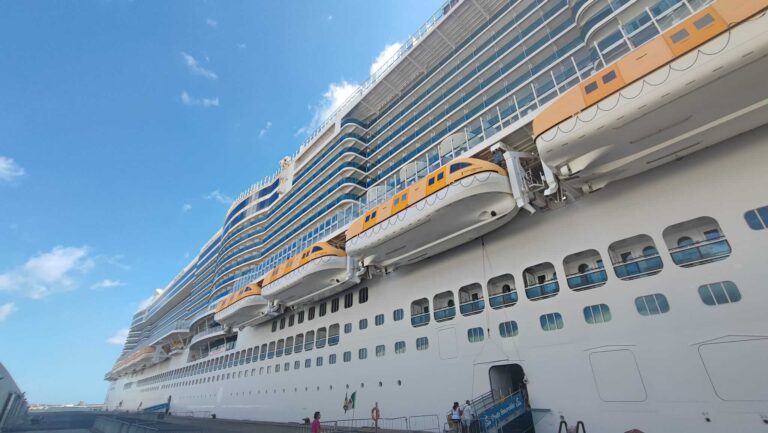
A cruise itinerary makes every stop look equally inviting. What it rarely tells you is how differently you should plan your day in each place.
In one port, keeping a hand on your bag may be the main precaution. And a busy tourist district doesn’t automatically mean you can let your guard down.
For a cruise in 2027, the sensible approach is to look beyond the excursion brochure and understand the particular concerns at each stop.
That includes knowing when independent exploring needs more thought, and when a destination carries a much stronger official warning.
These ten ports deserve extra attention. Some are regular cruise favorites; others appear on more limited itineraries or have important access restrictions.
10. Cozumel, Mexico
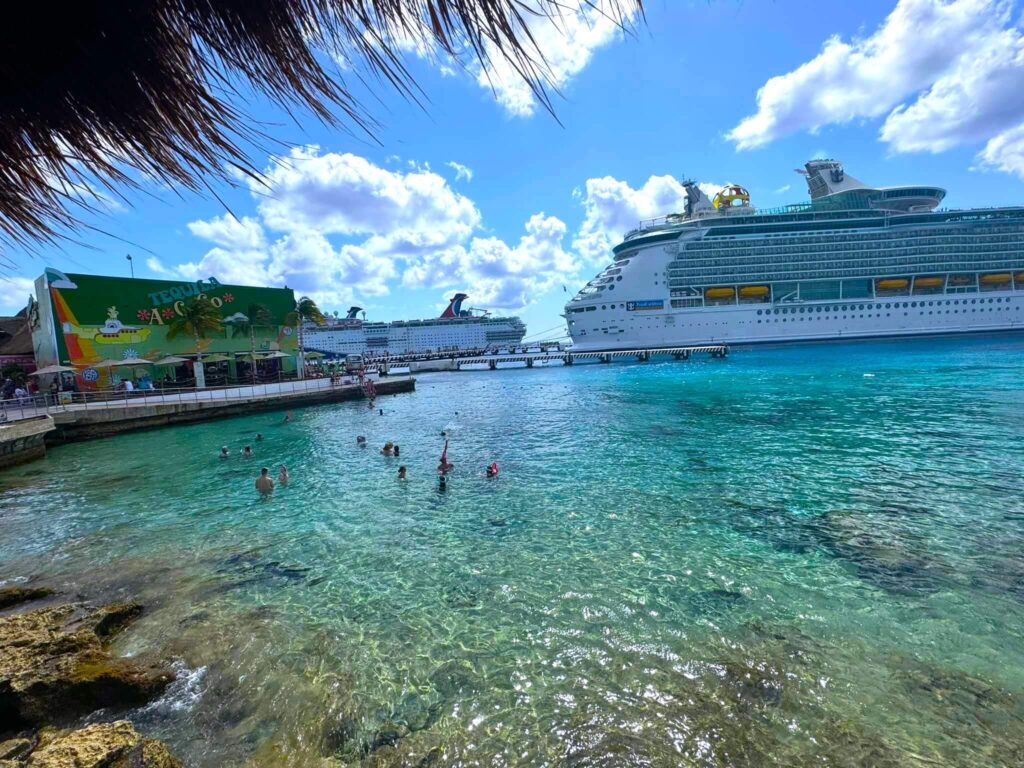
Cozumel belongs near the lower end of this list. Its inclusion is a reminder to plan carefully, rather than a reason to rule out a beach day.
The island is in Quintana Roo, which the U.S. State Department places under an increased-caution advisory. That statewide guidance should not be confused with a separate crime rating for Cozumel.
For a straightforward visit, confirm taxi fares before leaving and check exactly what a beach pass or excursion includes. Keep valuables with you instead of leaving them under a towel while everyone swims.
If an excursion involves a mainland ferry, allow a generous return buffer. It adds another connection to a day that already has a firm all-aboard deadline.
9. Izmir, Turkey
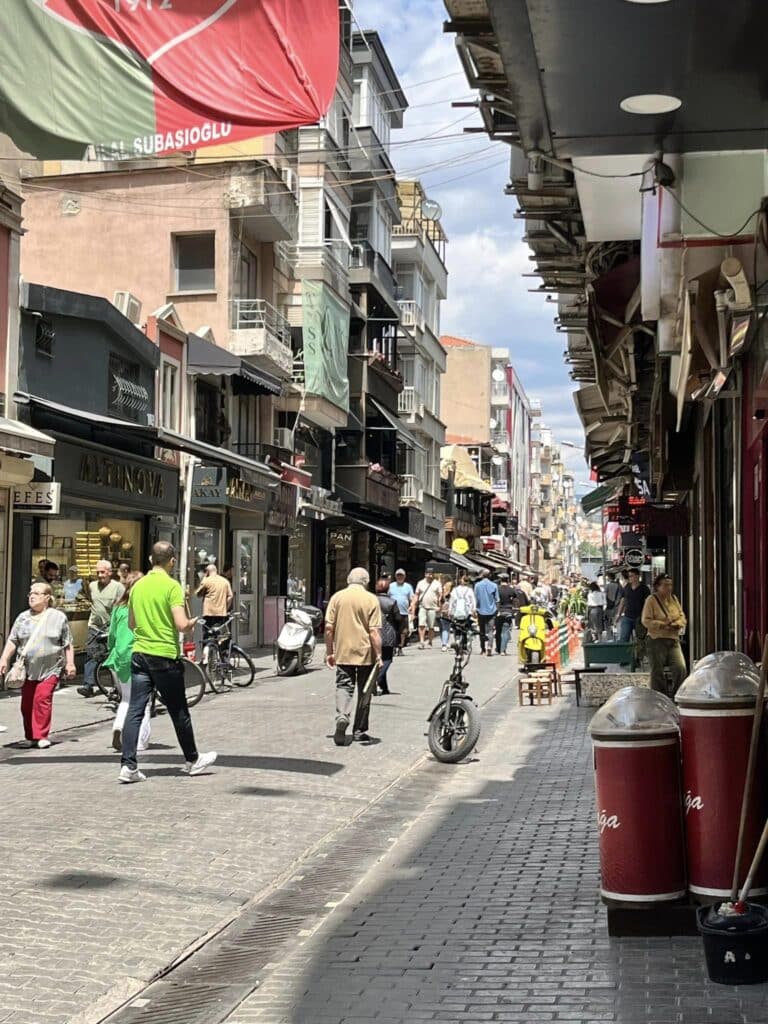
Canadian travel advice notes that pickpocketing and bag snatching can occur in Türkiye. Keep your bag closed in markets, check prices before buying, and use a reliable transport provider.
There are also wider security concerns. UK travel advice records a September 2025 attack on a police station in Izmir and advises visitors to avoid demonstrations.
Pay attention to current alerts before heading ashore.
There is no need to carry your entire vacation budget for a few hours of sightseeing.
8. Havana, Cuba
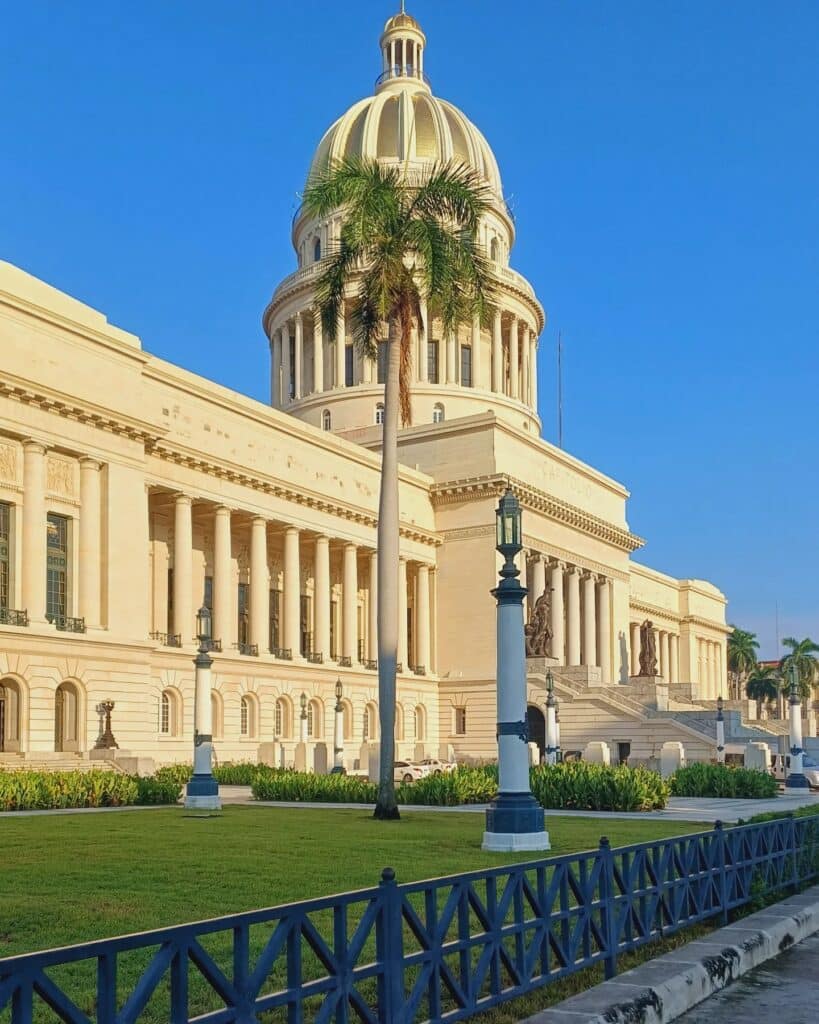
Havana needs an itinerary clarification before anything else. U.S. restrictions ended the mainstream U.S.-departing cruise visits that once made it a familiar Caribbean stop.
If Havana appears on a specialist itinerary you are considering, check both the operator’s arrangements and the rules that apply to you.
U.S. travel advice highlights crime, power failures, and shortages that can affect transport, communications, and access to services.
Old Havana should not be treated as a guaranteed safe zone. Arrange reliable transport, keep an offline copy of essential details, and avoid depending entirely on mobile data or card payments.
7. Nassau, Bahamas
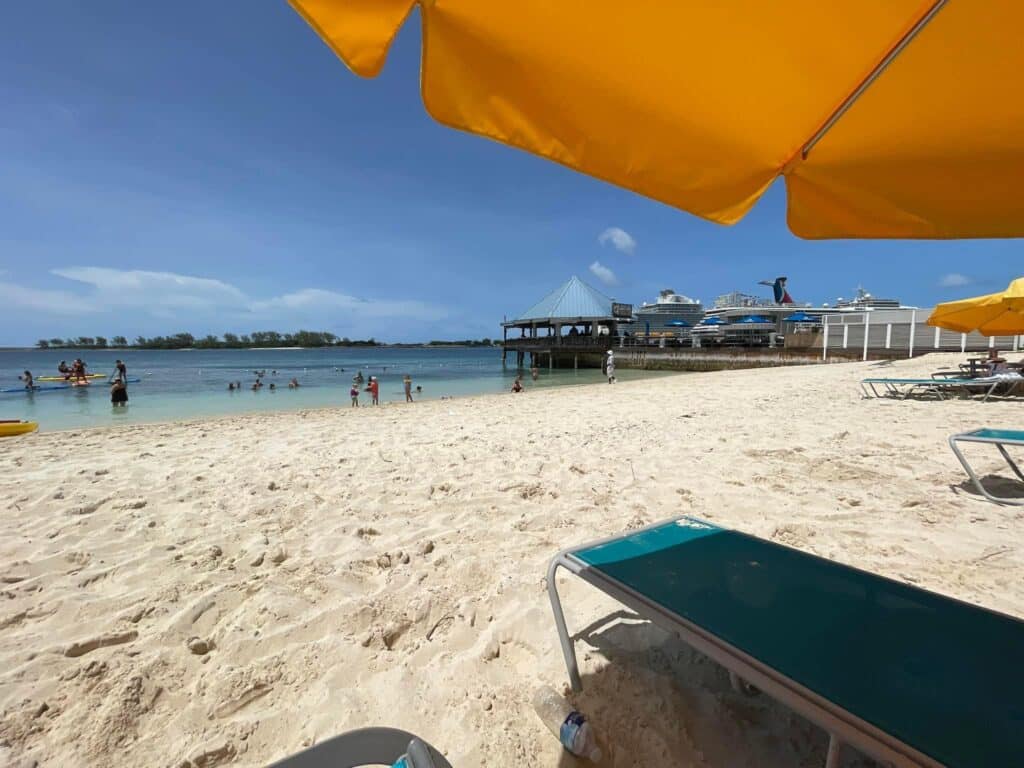
Nassau is familiar enough that some passengers step off the ship without much of a plan. Familiarity can make it easy to underestimate the precautions a city visit still needs.
The U.S. advisory for The Bahamas highlights crime in Nassau and specifically warns about the Over the Hill area south of Shirley Street. It also makes clear that violent crime can occur elsewhere.
Choose your route before leaving the terminal, use a recognized transport provider, and avoid taking an unfamiliar shortcut just because a map makes it look quick.
Downtown and resort areas still call for attention to your belongings. A beach visit also needs a plan for your phone, wallet, and cruise card while you are in the water.
6. Cartagena, Colombia
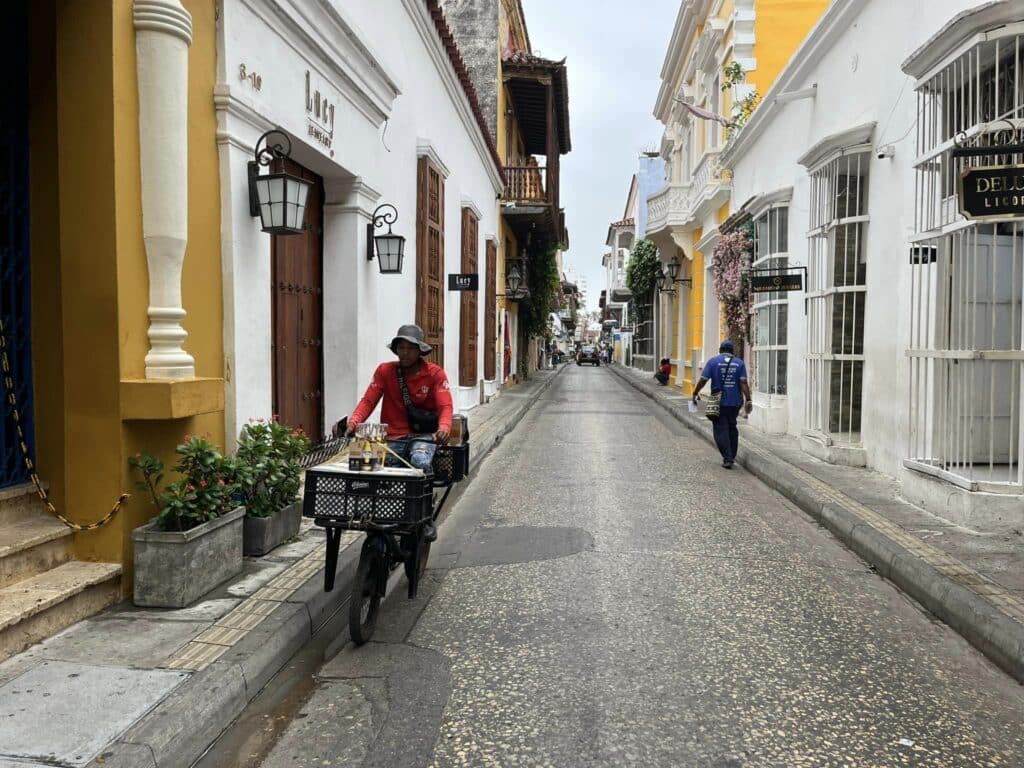
Cartagena’s Old City is an obvious sightseeing choice, but a popular attraction does not remove every concern. Plan how you will get there and back before leaving the port.
The U.S. State Department advises reconsidering travel to Colombia. This is national guidance, and the risks vary considerably by region, but theft and robbery remain relevant to a city visit.
Use transport arranged through a reputable provider instead of accepting an unsolicited ride. Confirm prices for services before agreeing, and keep drinks in sight.
For boat trips, check the operator and the safety equipment. Official advice specifically flags small tourist boats between Cartagena and nearby islands, with potentially dangerous seas during December and January.
5. Kingston, Jamaica
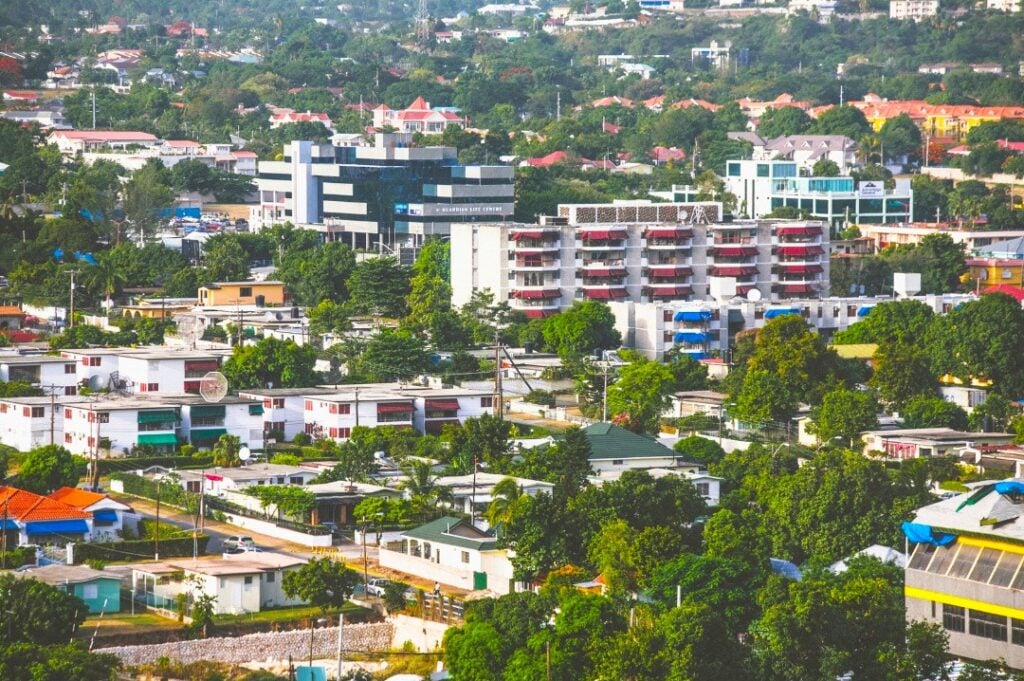
U.S. advisory for Jamaica is Level 2, with stronger warnings for specific areas, including several Kingston and St. Andrew neighborhoods.
That distinction matters. Tourist areas generally experience less violent crime than other parts of the country, while some neighborhoods require much greater caution.
For a visit to Kingston, use a reputable guide or arranged transport and choose your stops in advance. Do not turn a short port visit into an unplanned neighborhood walk.
For more on deciding whether to go ashore, see these ports where you may prefer to stay on the ship.
4. Rio de Janeiro, Brazil
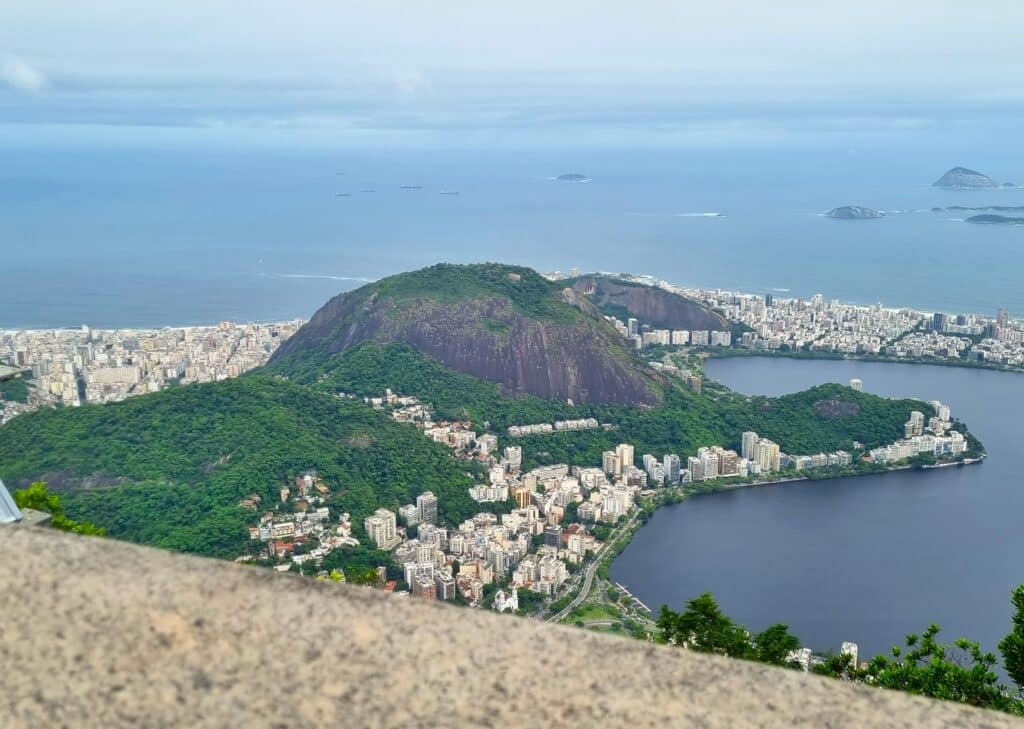
Rio has extraordinary sights, but its best-known neighborhoods are not automatically its safest places to relax your precautions.
UK travel advice identifies theft and pickpocketing around Copacabana, Ipanema, Lapa, and Santa Teresa. It also records reports of armed robbery on the Corcovado walking trail.
For cruise passengers, a guided visit or reliable transport between chosen attractions makes planning simpler. Keep expensive jewelry on the ship, put your phone away between photos, and avoid isolated walking routes.
A beach bag should never be left unattended. If everyone in your group wants to swim, decide beforehand how you will secure your belongings.
3. Durban, South Africa
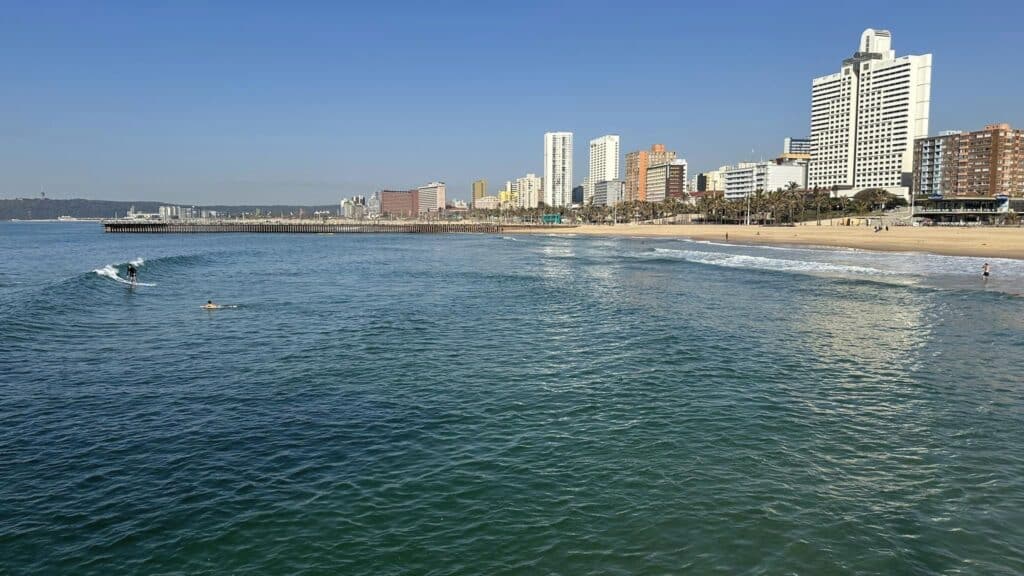
Durban is a port where arranging the day in advance is especially useful. A busy waterfront or a short-looking route on a map is not enough to judge whether a walk is sensible.
UK travel advice for South Africa highlights serious crime and recommends planning journeys, using licensed taxis or established ride-hailing services, and checking vehicle details.
Ask the cruise line or a trusted local operator about your proposed route. Arrange a clear pickup point, avoid displaying valuables, and use transport for unfamiliar or quiet stretches.
2. Manzanillo, Mexico
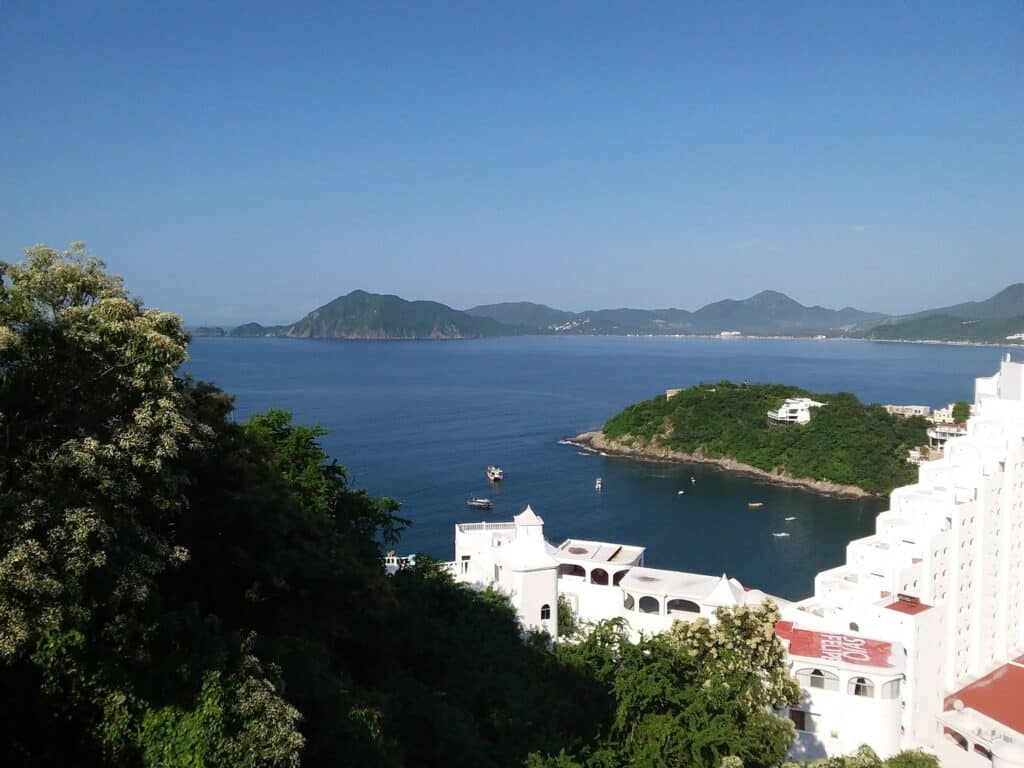
Colima, the state containing Manzanillo, is under a Level 4 U.S. warning.
The Mexico advisory allows U.S. government employees limited travel in specified Manzanillo tourist and port areas. That exception does not cover the whole state.
If your itinerary includes a call, review the current guidance and the exact route of any proposed excursion. An organized tour should still be assessed against official advice.
Avoid treating an exception for particular areas as permission to explore freely. Ask where the tour goes, who operates it, and how transport and the return to port are arranged.
1. Acapulco, Mexico
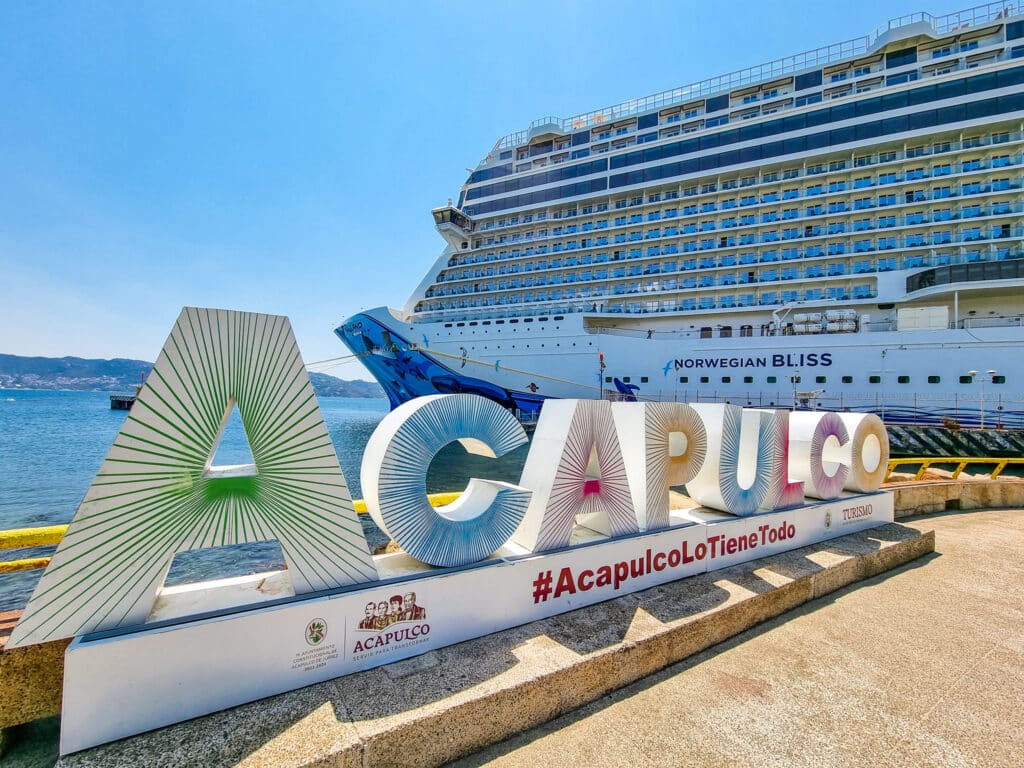
The official warning for Acapulco is particularly strong. Its history as a famous vacation destination should not outweigh current travel advice.
The U.S. State Department places Guerrero under a Level 4 warning and prohibits U.S. government employee travel throughout the state, including Acapulco’s tourist areas.
If a sailing you are considering includes Acapulco, take that warning seriously before booking or deciding to go ashore. A cruise-line excursion does not cancel an official travel warning or guarantee safety.
Check the latest advice, discuss the call with your cruise line, and review any relevant insurance exclusions. Remaining aboard is an option if the visit does not fit your comfort level.
For everyday planning beyond these destinations, see the 10 travel hacks only cruise pros know.