

Have you ever noticed that cruise ships make spending money surprisingly easy?
They have sale tables on the way to the theater and very tempting shop displays. Then a tap of the cruise card, and it’s yours.
The bill comes later. Naturally.
Let me be very clear on this: there’s nothing wrong with treating yourself on vacation.
A souvenir from a favorite ship or a beautiful family photo can be money well spent. But some purchases deserve a little more thought than they tend to get at sea.
“Never” might sound strict. There are exceptions, especially when something is genuinely needed. Still, these are seven things worth leaving on the shelf, or at least walking away from long enough to check the price.
1. Expensive Jewelry and Watches Bought on Impulse

A cruise boutique is a very pleasant place to fall in love with a watch. Everything sparkles, there’s no rush to get home.
Maybe it is. But remember that “duty-free” doesn’t automatically mean “the best deal.”
The useful comparison is the price of the exact same item from a reputable retailer at home.
For watches, check the model number, warranty coverage, and whether the seller is an authorized dealer.
For jewelry, get the materials, stone details, and return conditions in writing. A friendly explanation across the counter is nice. Documentation is more useful once the ship has sailed away.
Royal Caribbean advertises duty-free shopping and a price-match guarantee, but shoppers still need to check the applicable terms and their home country’s allowances.
A better approach: Research an expensive purchase before the cruise. If the onboard offer really is competitive, there’s a clear reason to buy it. If the main reason is “the sale ends tonight,” take a breath.
2. Artwork Bought at an Auction

An art auction can be an entertaining way to spend part of a sea day. There’s a presentation, a lively room, and often a complimentary glass of champagne.
Royal Caribbean, for example, promotes its onboard auctions with a champagne toast and energetic bidding. It sounds fun because, well, that’s part of the appeal.
But enjoying the event and wanting to own the artwork are two separate things.
Never bid on a piece simply because it’s presented as a promising investment. A suggested value doesn’t tell you what another buyer would actually pay for it later.
Before raising a paddle, establish exactly what’s being sold. Is it an original work, a limited-edition print, or another type of reproduction? What is the full price?
Ask whether any buyer’s premium, framing, shipping, or other charges apply, and read the cancellation and return terms.
A better approach: Buy art because you love it, understand what it is, and feel comfortable with the full cost. In most cases, though, you’re probably better off just enjoying the free champagne!
3. Spa Products Added to the Bill After a Treatment

A massage might be the splurge that makes the whole cruise feel like a vacation. That doesn’t mean the shopping bag afterward needs to be part of it.
If a treatment ends with a recommendation for several creams, oils, or supplements, pause before agreeing. It’s easy to be receptive when you’re relaxed, and someone has just spent an hour looking after you.
A product recommendation is still a sales recommendation.
Ask for the product name and price. Take a photo of the label if permitted. Then decide later, after checking the ingredients and what the same product costs elsewhere.
The treatment bill deserves attention too. Norwegian currently lists an additional 20% service charge for spa and salon services, which is a good reminder to check the complete cost before signing.
A better approach: Set a treatment budget in advance and make it clear if product recommendations aren’t wanted. A simple “No products today, thank you” is perfectly fine. No lengthy explanation needed.
4. Everyday Toiletries You Could Have Packed

Toothpaste, deodorant, sunscreen, a razor. Small things, until one of them is missing from the bathroom bag.
An onboard shop is convenient when something has been forgotten, but it leaves you choosing from whatever is available at the posted price.
There isn’t exactly another drugstore around the corner.
These are purchases best prevented with a quick packing check.
Keep a small travel kit ready between trips, then replace anything that’s running low before leaving home.
Of course, if something essential has been forgotten, buy it. Going without sunscreen to avoid an onboard purchase would be a pretty poor trade.
A better approach: check the list of things you should always bring from home to save money on a cruise.
5. Electronics and Accessories Without Comparing the Exact Model
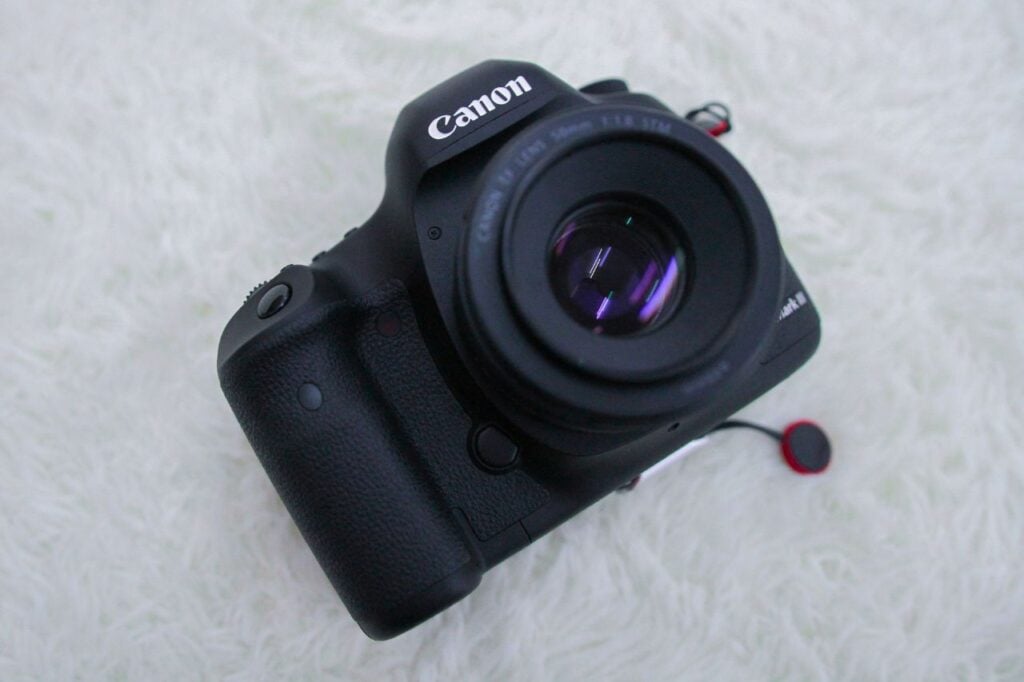
Headphones, cameras, charging cables, binoculars. They can all look tempting when they’re right there, and a vacation can suddenly make you want them.
Check the exact model, specifications, included accessories, warranty, and return policy.
An older model might be perfectly useful, but its price should be compared with that model’s current selling price.
Don’t compare a sale sticker with the price of a newer product.
Compatibility matters as well. A cable that fits a device isn’t necessarily capable of the charging speed or data transfer you expect.
A better approach: Test chargers and accessories before departure. For larger purchases, research at home, where comparing several retailers is easier, and there’s time to think.
6. A Large Photo Package You Won’t Really Use

Cruise photos can be lovely. Everyone is dressed up, the whole family is together, and for once nobody has been left holding the phone.
One excellent portrait can absolutely earn its place on the wall.
A large package, though, needs a little more consideration. Paying for lots of photos only makes sense if the group will actually stop for them and wants the results.
More pictures aren’t automatically more value.
Before buying, check whose photos are covered, whether the package includes digital files or prints, whether there are limits, and how collection or downloading works.
A better approach: Choose the smallest option that fits the trip. If a bigger package is being considered before sailing, read the terms carefully and be realistic about how often everyone will pose.
PRO TIP: Also, keep in mind that buying these packages before your cruise is usually cheaper than purchasing them once you’re onboard.
7. “Bargain” Souvenirs You Only Want Because They’re on Sale

The sale table is dangerous territory for an otherwise sensible cruise passenger.
A tote bag, a sparkling bracelet, a couple of scarves. Nothing seems like a major purchase on its own. And everything is apparently a bargain.
But an item isn’t good value just because the discount looks impressive.
Check the stitching, fabric, clasps, and finish. Then ask a slightly boring but useful question: would this still be appealing at the same price without the sale sign?
Ship souvenirs are a little different. A mug featuring a favorite ship might mean more than something bought in an ordinary store. That personal connection has value.
A better approach: Pick one souvenir that actually means something. Leave room in the suitcase for the things you’ll still be happy to own a month after getting home.
A good cruise purchase doesn’t need an excuse. It fits the budget, the price makes sense, and it’s something you genuinely want.
If it only feels irresistible while standing under the shop lights, another lap around the promenade might be the best bargain onboard.
And of course don’t forget to check the list of the things it’s always a good idea to buy duty free on cruise ships.