
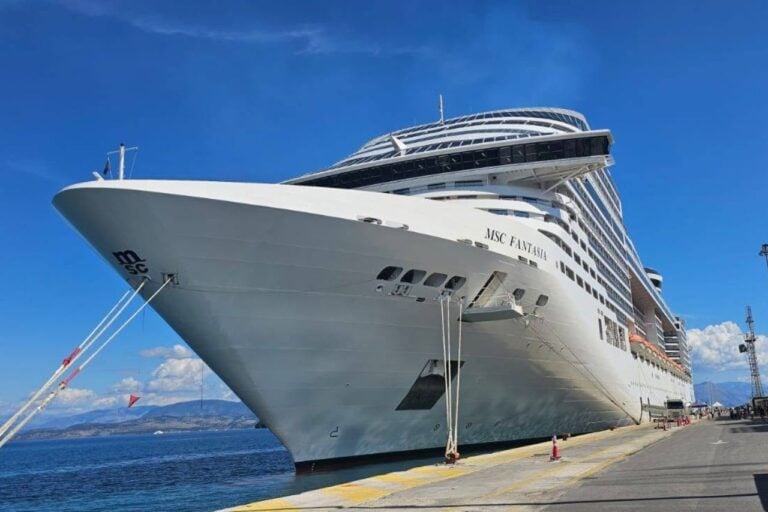
Cruise vacations feel wonderfully relaxed once you are onboard. Usually, the biggest decision of the day is whether to visit the pool or the buffet first.
But cruise ships also have a surprisingly long list of rules.
Some are clearly explained during check-in, while others are hidden inside the cruise contract that almost nobody reads.
Unfortunately, discovering one of these rules at the wrong moment can mean losing money, having an item confiscated, or, in the worst case, watching your ship sail away without you.
Here are 10 cruise ship rules passengers often discover a little too late.
1. “All aboard” is not the ship’s departure time
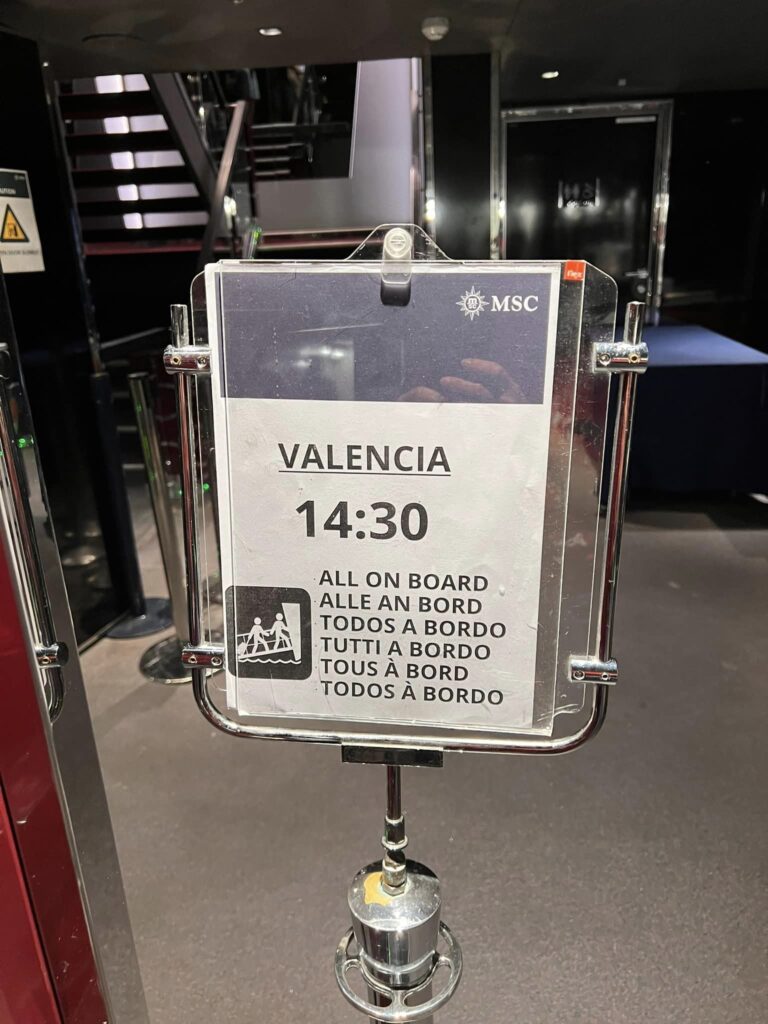
This is probably the most important time to remember during a cruise.
If the daily schedule says the ship departs at 5:00 p.m., passengers may need to be back onboard by 4:30 p.m. That earlier time is the one that matters.
It’s not a suggestion, and there usually isn’t much flexibility.
Cruise ships have port schedules, pilots, tides, and docking arrangements to consider.
They cannot simply wait indefinitely because a passenger lost track of time at a beach bar.
If you are exploring independently and return late, the ship may leave without you.
You would then be responsible for finding transportation to the next port, assuming local immigration rules even allow it.
Cruise-line excursions normally provide greater protection if a tour is delayed.
With independent excursions, that responsibility is generally yours.
PRO TIP: Always check the ship’s time, too, because it may not match the local time displayed on your phone.
2. The safety briefing is mandatory, even if you have cruised before

Modern safety drills are much easier than they used to be.
On many ships, passengers can watch part of the briefing through the cruise-line app or on the television in their cabin.
However, that doesn’t mean you can skip the whole thing.
Passengers usually still need to visit their assigned muster station and have their cruise card scanned.
The crew must verify that everyone has completed the required steps before the ship can leave.
If you ignore the announcements, expect reminders, phone calls, or crew members looking for you.
Repeatedly refusing to participate can become a much bigger issue, and you might be asked to leave the ship.
3. Ordinary household electronics may be confiscated
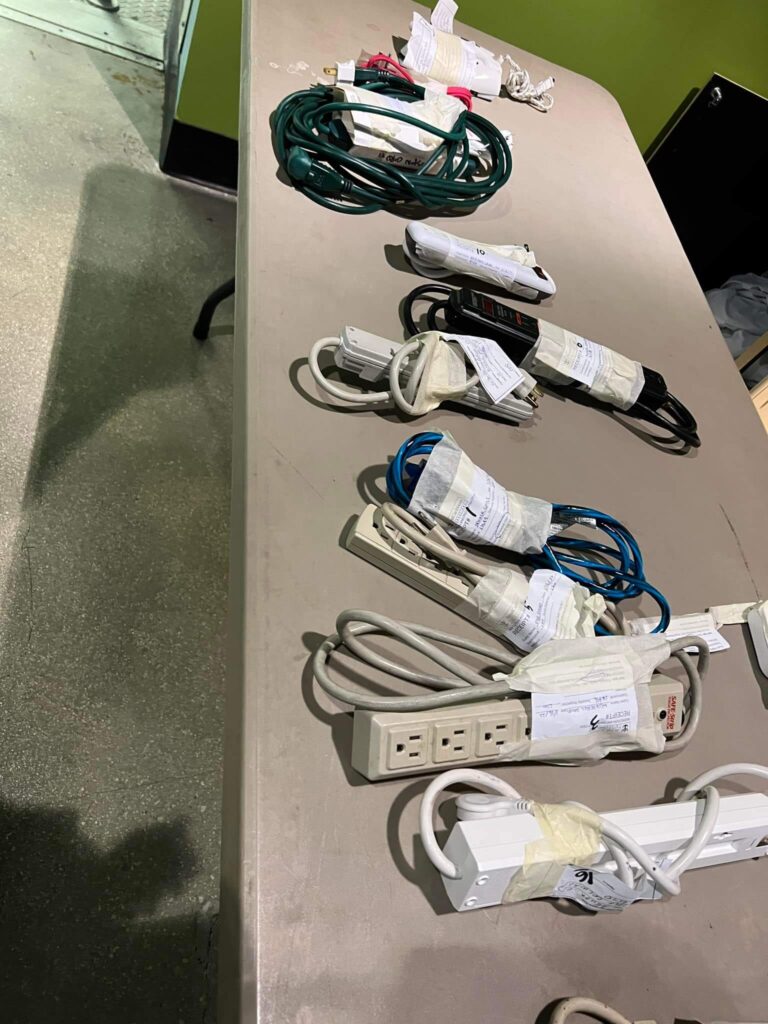
One of the most common embarkation-day surprises is having a perfectly normal item removed from your luggage.
Cruise cabins have strict fire-safety rules. Clothes irons, steamers, hot plates, kettles, candles, and many types of extension cords or power strips are prohibited by major cruise lines.
Royal Caribbean’s current list, for example, also prohibits multi-plug outlets and electrical items that are not designed for personal grooming.
Even a power strip that seems harmless at home may not be allowed onboard, especially if it has surge protection.
Some confiscated items are stored and returned at the end of the cruise. Others may be discarded, depending on what the item is and the cruise line’s policy.
4. You cannot necessarily drink the alcohol you buy in port

Buying a bottle of rum in the Caribbean or wine in Europe can be a nice souvenir. Just don’t assume you will be able to take it directly back to your cabin and open it that evening.
On many cruise lines, alcohol purchased in port is collected when passengers return to the ship. It is labeled, stored, and returned near the end of the trip.
The same may happen with bottles purchased in the ship’s duty-free store.
Rules for bringing wine aboard on embarkation day also vary. Some lines allow a limited amount for adults, while others prohibit it or charge a corkage fee in certain venues.
Royal Caribbean, for example, says alcohol purchased onboard or in port is stored by the ship until later.
Always check the policy before buying several bottles. Otherwise, you may spend the final evening trying to work out how to fit them all into your suitcase.
5. Drink packages cannot be shared

Cruise drink packages can be expensive, so passengers sometimes think they have found an easy solution: one person buys the package and orders drinks for everyone else.
Cruise lines already know this trick.
Drink packages are normally sold for the individual passenger, and sharing drinks can result in the package being canceled without a refund.
The cruise line may also charge the passenger for the drinks that were given to other people.
There are often waiting periods between alcoholic drink orders, daily limits on certain cruise lines, and rules about ordering multiple drinks at once.
Some companies also require every adult in the same cabin to purchase a compatible package.
6. Smoking rules include private balconies
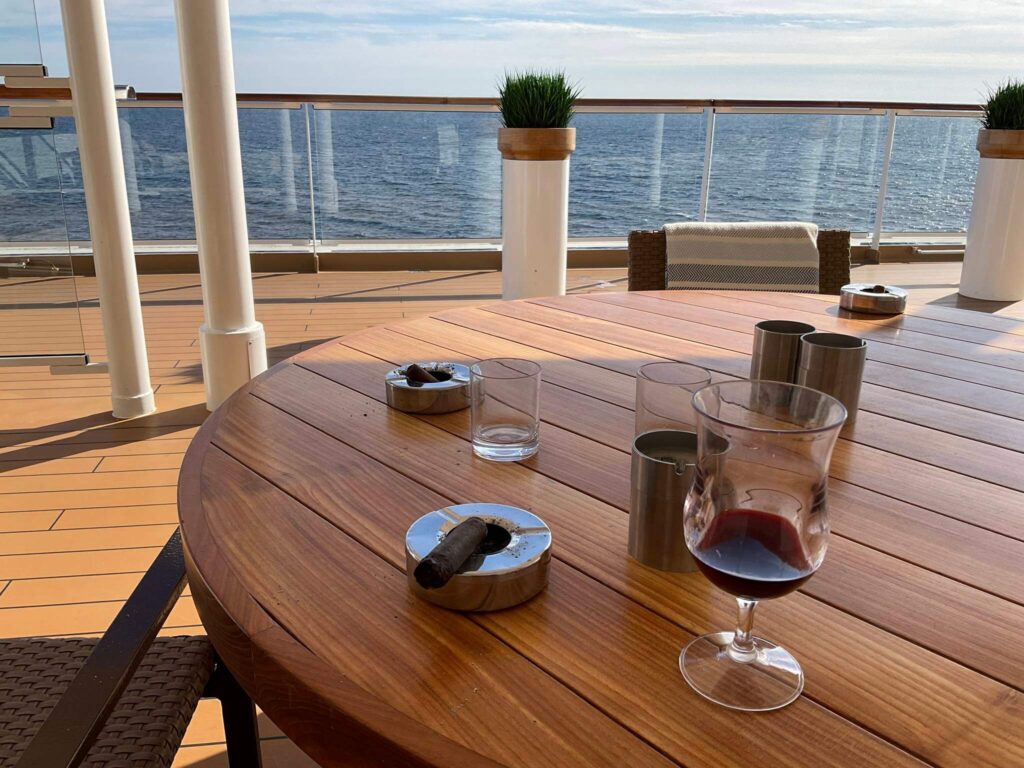
Some passengers assume their balcony is a private outdoor space where normal smoking restrictions do not apply.
On most mainstream cruise ships, that is not the case.
Smoking and vaping are generally permitted only in clearly marked areas. Cabins and balconies are usually smoke-free, and breaking the rule can lead to a substantial cleaning fee.
This rule is taken seriously because a cigarette tossed from a balcony can blow back onto another part of the ship. Fire is one of the biggest safety concerns at sea.
The designated areas can also change depending on whether the ship is refueling or operating in a particular port.
Carnival, for example, notes that outdoor smoking is not permitted during refueling on embarkation and debarkation days.
7. Food from the ship may not be allowed ashore

Taking a banana or sandwich from the buffet might sound like a smart way to save money during a port day.
In many destinations, however, bringing fresh food ashore is prohibited.
Countries use agricultural controls to prevent pests, diseases, and invasive species from entering through fruit, vegetables, meat, dairy products, and other foods.
Packaged snacks in their original sealed wrappers may be permitted, depending on the destination. Fresh buffet food is much more likely to cause a problem.
Passengers can face fines or have the food confiscated by local authorities. Carnival specifically warns that fresh fruit, vegetables, meat sandwiches, milk, eggs, and similar foods must be left onboard or placed in the appropriate collection bin.
8. Your travel documents must work for the entire itinerary
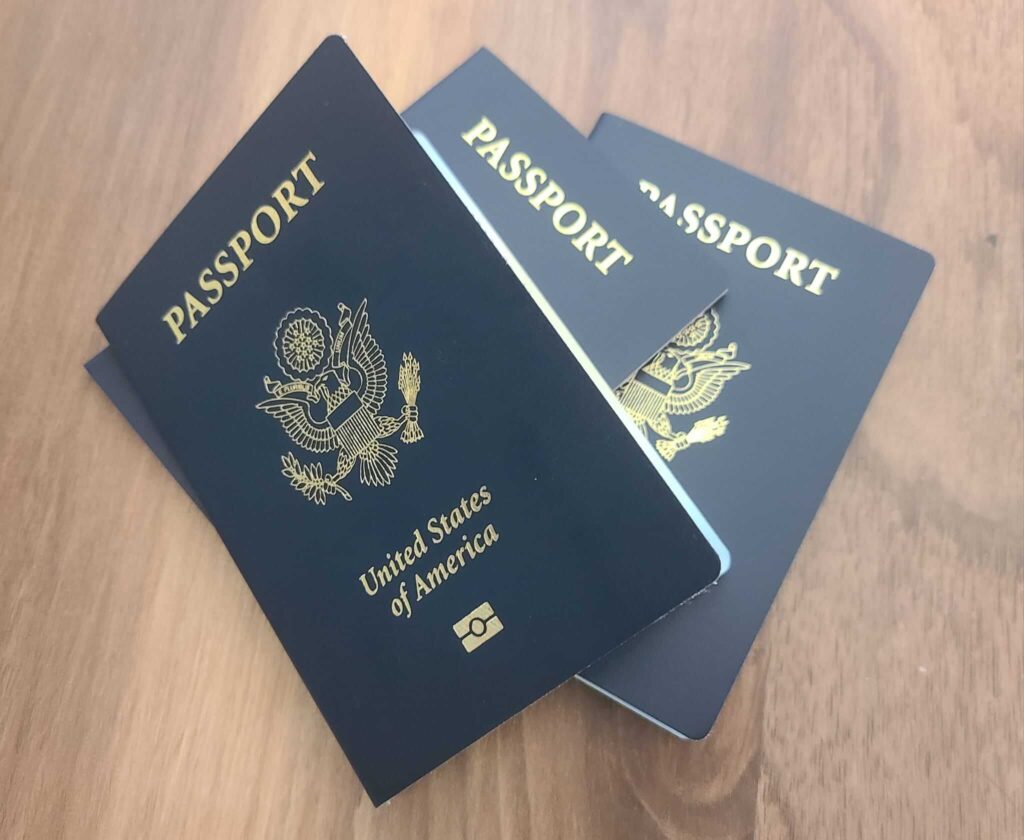
A cruise can begin and end in the same country while still visiting several foreign ports.
That creates a lot of confusion about passports, visas, and identification requirements.
The cruise line is not responsible for obtaining the correct documents for you.
If your passport is expired, has insufficient validity, or you are missing a required visa, you can be denied boarding without receiving a refund.
The rules may depend on your citizenship, residency, itinerary, and even whether the ship calls at a port where passengers do not plan to disembark.
Royal Caribbean, for example, always recommends having a passport in case an unexpected situation requires international travel.
9. The cruise line can change ports without compensating you for everything
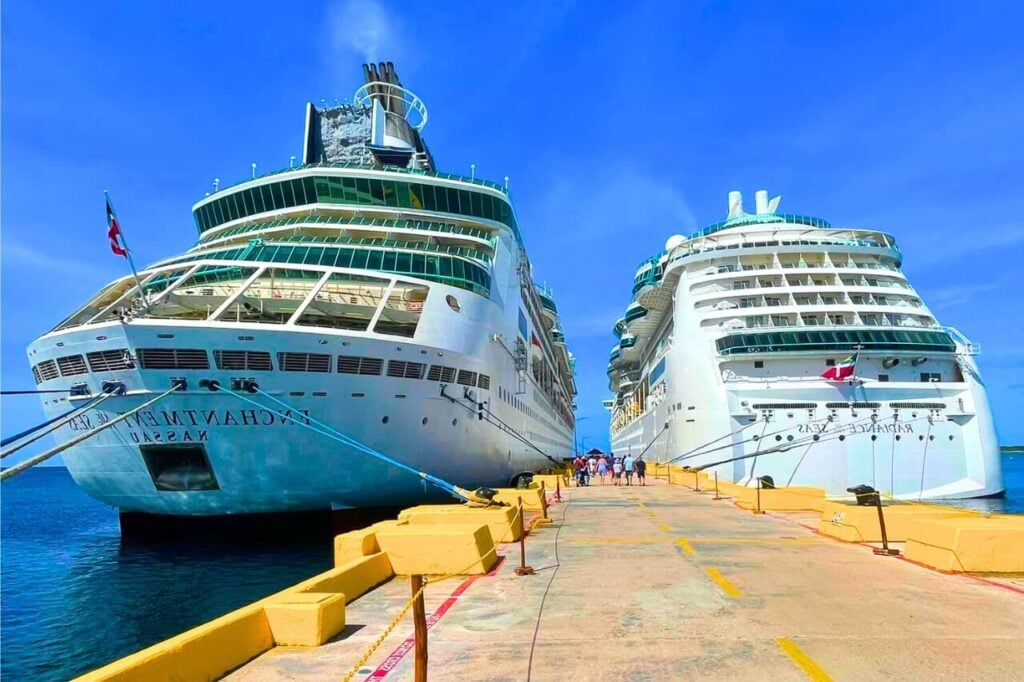
That dream itinerary is not guaranteed exactly as printed.
Cruise lines can change arrival times, reverse the order of ports, substitute destinations, or cancel a stop entirely.
Weather is a common reason, but operational problems, port congestion, political situations, and medical emergencies can also affect the schedule.
Passengers may receive refunds for port fees or cruise-line excursions that are canceled.
However, the loss of a port does not normally mean everyone receives a large refund for the cruise itself.
Independent hotels, tours, transportation, and attraction tickets may have their own cancellation conditions.
The cruise line usually will not cover every outside booking simply because the itinerary changed.
This is why flexible reservations are worth considering. Travel insurance can also help in some circumstances, but only if the specific event is included in the policy.
10. Reservations have cancellation deadlines onboard
Booking a specialty restaurant, spa treatment, or shore excursion feels so easy when everything is connected to your onboard account.
However, if you change your mind too late or simply fail to arrive, you may still be charged.
The deadline varies by cruise line and activity. Norwegian, for example, says many shore excursions can be canceled without penalty up to 48 hours before arrival in the relevant port, although exceptions may apply.
Spa treatments and dining reservations can have different deadlines.
The important thing is to cancel officially. Check the app, ticket, or confirmation as soon as your plans change.
Waiting until the last minute can turn a simple change of mind into an expensive empty seat.
A little preparation prevents most cruise problems
Cruise lines have different policies, and those policies can change from one ship or itinerary to another. Something allowed on your last sailing might be restricted on the next one.
Before leaving home, read the list of prohibited items, alcohol, travel documents, and port procedures.
Once onboard, pay attention to the daily schedule and announcements, even if you consider yourself an experienced cruiser.
Also, don’t forget to have a look at the 10 big cruise changes every cruiser needs to know in 2026.