
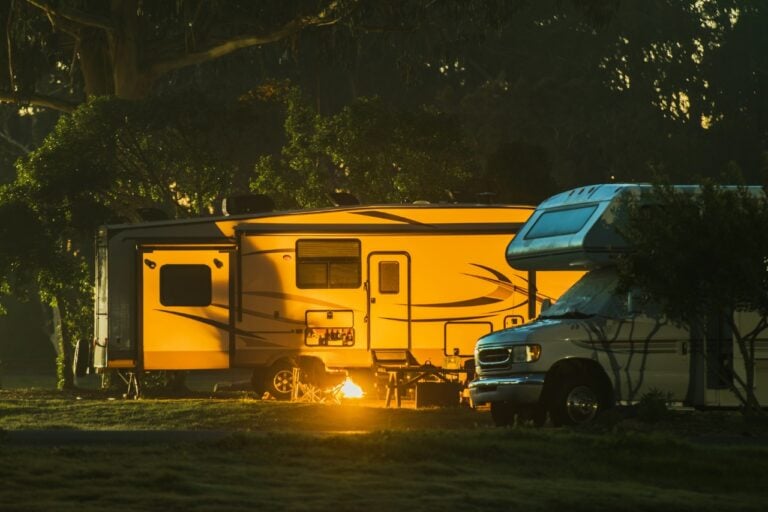
There’s something really nice about a campground at night. Everything starts to feel calm in that cozy kind of way.
But that’s also when little mistakes start to matter more. A lot more, honestly.
Some campground problems don’t happen because people were careless all day. They happen because somebody got tired and said: “That’s fine, it can wait until morning.”
Before calling it a night, a few things should always get done. Not because it has to be complicated, but because sleeping better at camp usually starts with setting things up right before dark.
1. Lock Up Or Put Away All Food
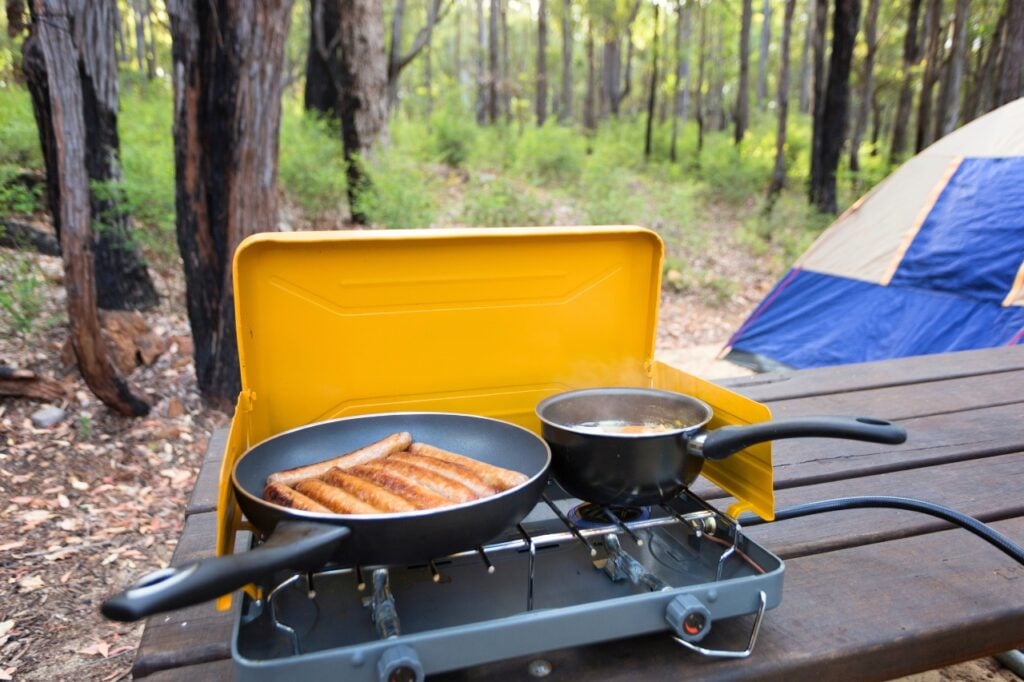
This is probably the big one.
Snacks left on a picnic table, an open chip bag, half a sandwich in a cooler that doesn’t fully close, these are exactly the kinds of things that attract unwanted visitors.
And no, it’s not always bears. Sometimes it’s raccoons, squirrels, stray cats, bugs, or whatever else is wandering around after dark looking for an easy meal.
Food, trash, drinks, and even scented items should be packed away properly before bed.
That includes soap, toothpaste, and anything else with a smell.
2. Put Away Anything Left Outside

Camp chairs, towels, shoes, lanterns, cooking tools, toys, chargers, all of it. If it matters, it should probably not stay out overnight.
Night air can bring dampness, even when the evening felt dry an hour earlier.
Wind can also pick up out of nowhere. And depending on the campground, leaving things out is sometimes just asking for them to get dirty, wet, blown around, or missing by morning.
It takes five extra minutes. It saves a lot of annoyance the next day.
3. Check The Fire Completely
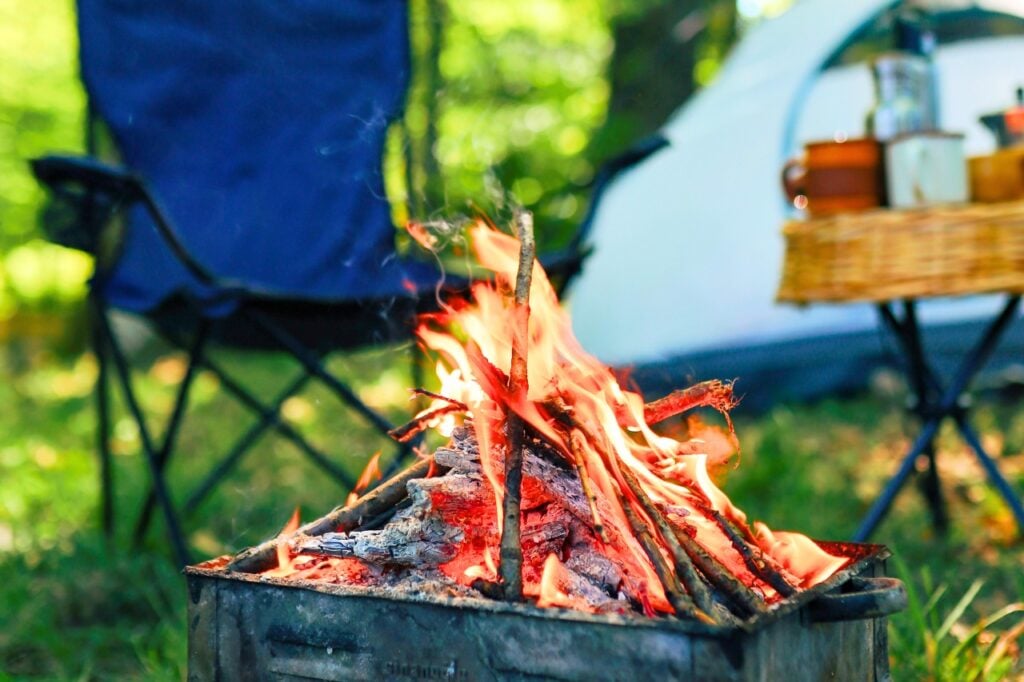
A campfire that looks mostly out is not the same as a fire that is out.
Before going to sleep, the fire should be extinguished fully and checked carefully.
Pour water on it, stir the ashes, and make sure there’s no heat left hiding underneath. If it still feels warm, it’s not done yet.
This one is not about being overly cautious. It’s just basic campground sense.
4. Make Sure The Cooler Is Closed Properly
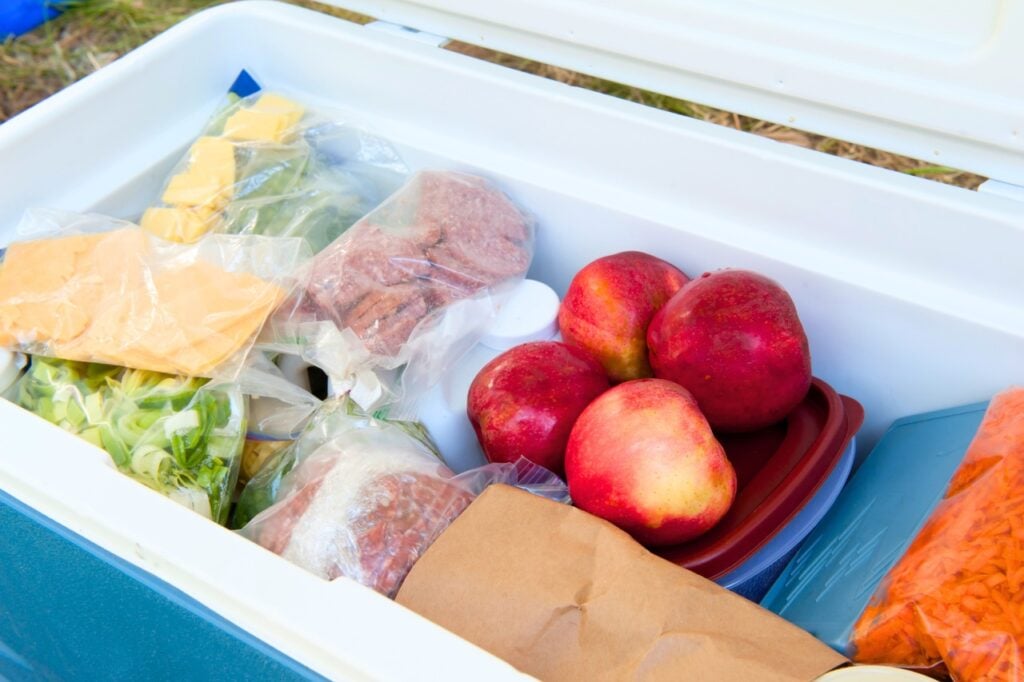
Coolers have a funny way of looking shut when they’re not really shut.
Then sometime in the middle of the night, something gets in, something leaks, or all the ice melts because the lid wasn’t sealed well.
A quick cooler check is always worth it. Make sure drinks are upright, meat is sealed, ice packs are where they should be, and the lid is snapped down all the way.
5. Charge Or Prep Your Lights
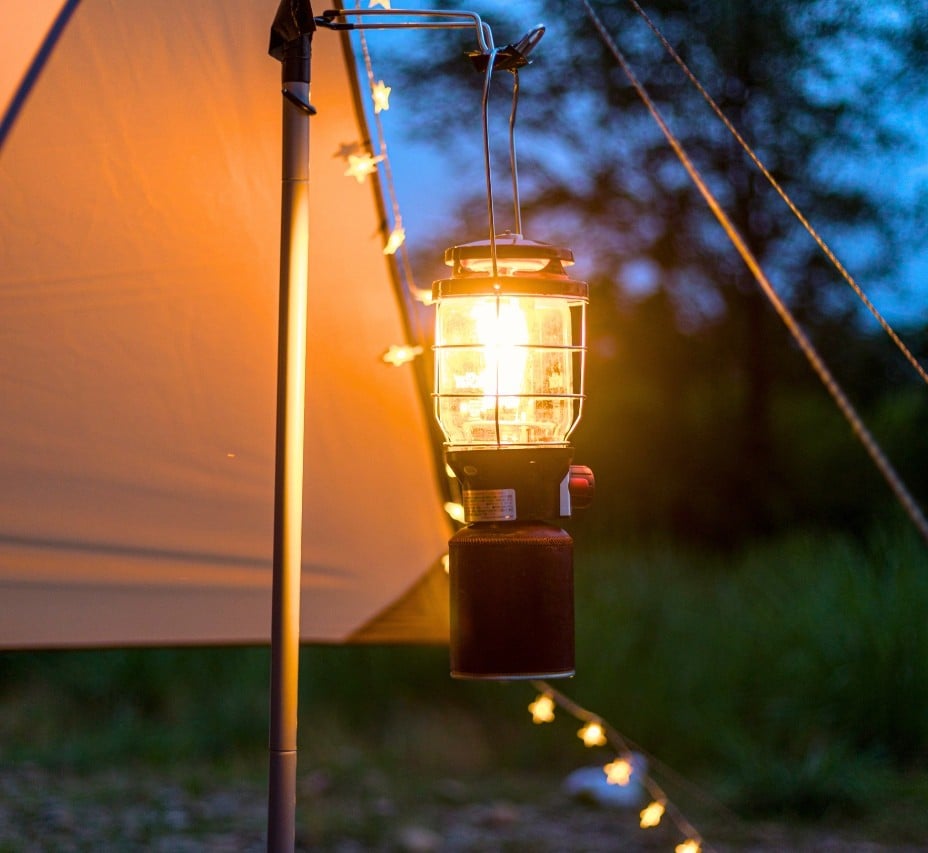
Nobody enjoys waking up at 2:17 in the morning and trying to find the bathroom with a half-dead flashlight.
Before bed, check lanterns, headlamps, flashlights, and anything else that might be needed once it’s dark or in the early morning.
Put them somewhere easy to reach, not buried in a duffel bag under three hoodies and a towel.
Even better, keep one light just outside or near the tent/RV door. That helps more than people think.
6. Secure The Tent Or RV For The Night
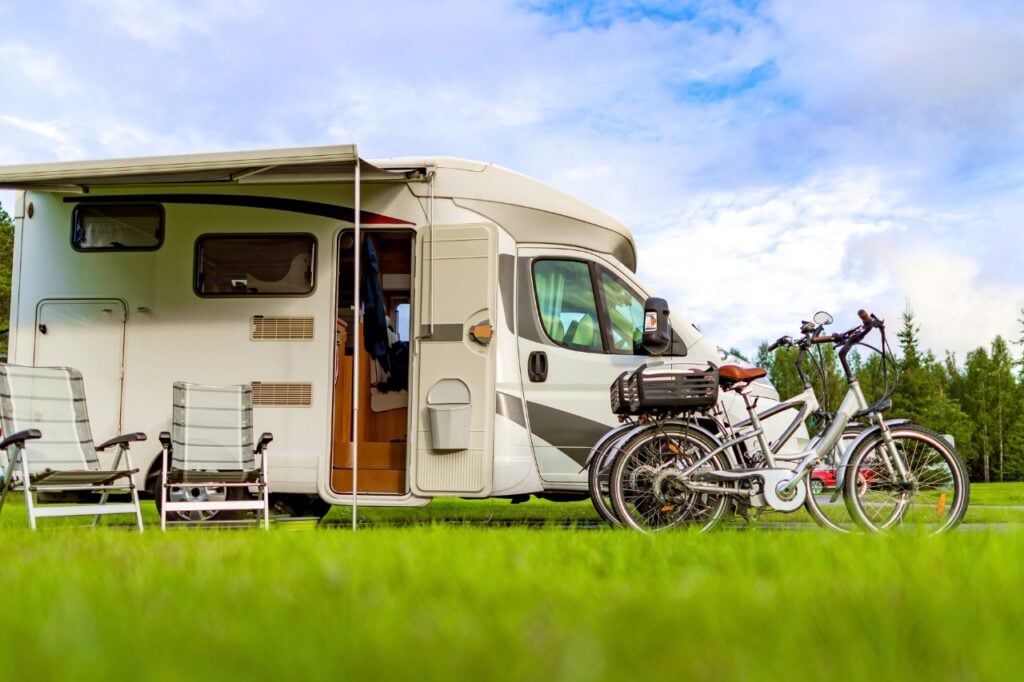
This means slightly different things depending on how the trip is set up, but the idea is the same.
Before sleeping, everything should be closed, zipped, latched, and stable.
Tent campers should check zippers, rainfly placement, guy lines, and anything loose that might flap all night if wind picks up.
RV campers should check doors, storage compartments, windows, and steps.
7. Do One Last Bathroom Trip
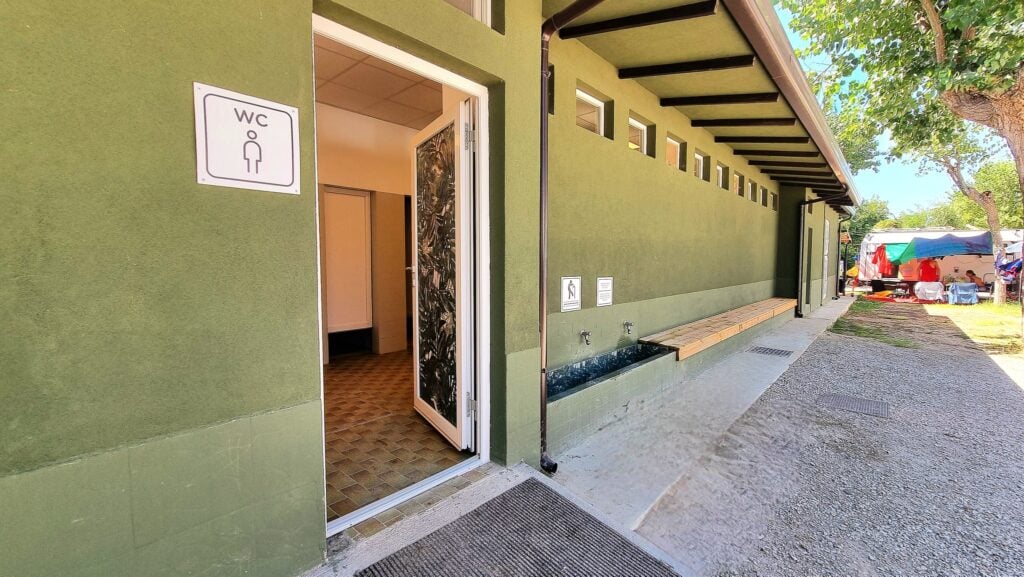
It sounds obvious, but this is one of the most ignored campground habits.
People get cozy, crawl into sleeping bags, finally get warm, and then ten minutes later have to get up again and walk to the restroom in the dark.
Doing one last bathroom stop before bed is a smart thing to do. It cuts down on midnight hassle and makes it easier to settle in for the night.
8. Check The Weather One More Time
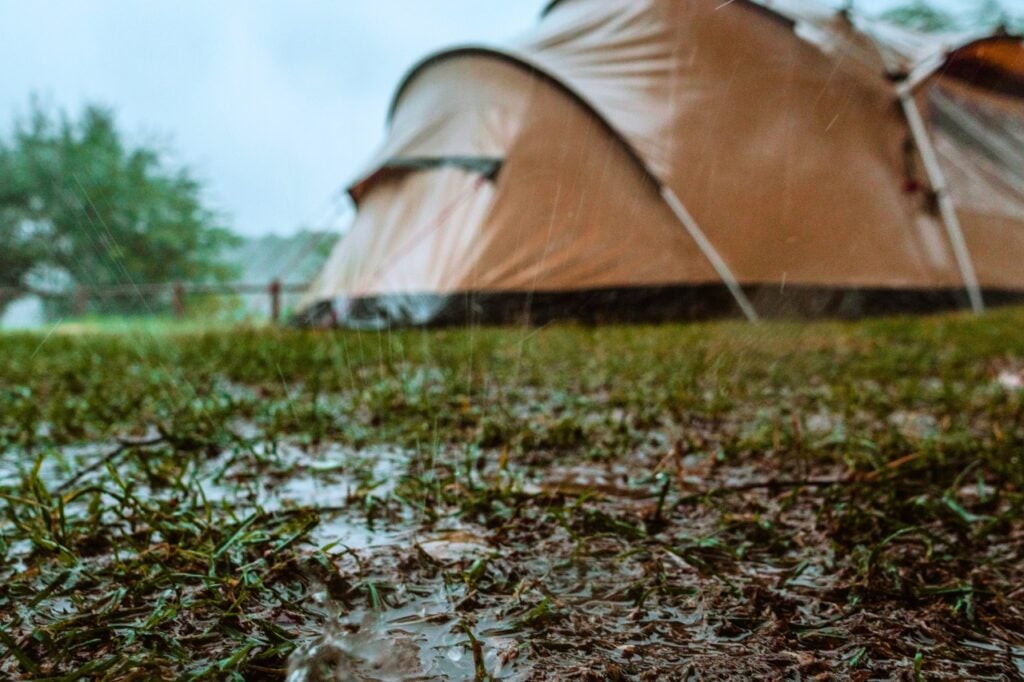
Even if the forecast was checked earlier in the day, it’s smart to look again before sleeping. Weather changes, and it can change very fast in some areas.
A calm evening can turn into rain overnight. Or wind. Or a weird temperature drop that makes that light blanket suddenly feel like a terrible decision.
Knowing what’s coming helps campers prepare before getting into bed.
Not checking the latest forecast is one of the easiest camping mistakes to avoid, especially around mountains, forests, lakes, and other areas where conditions may change quickly.
9. Keep Essentials Where They Can Be Reached Fast
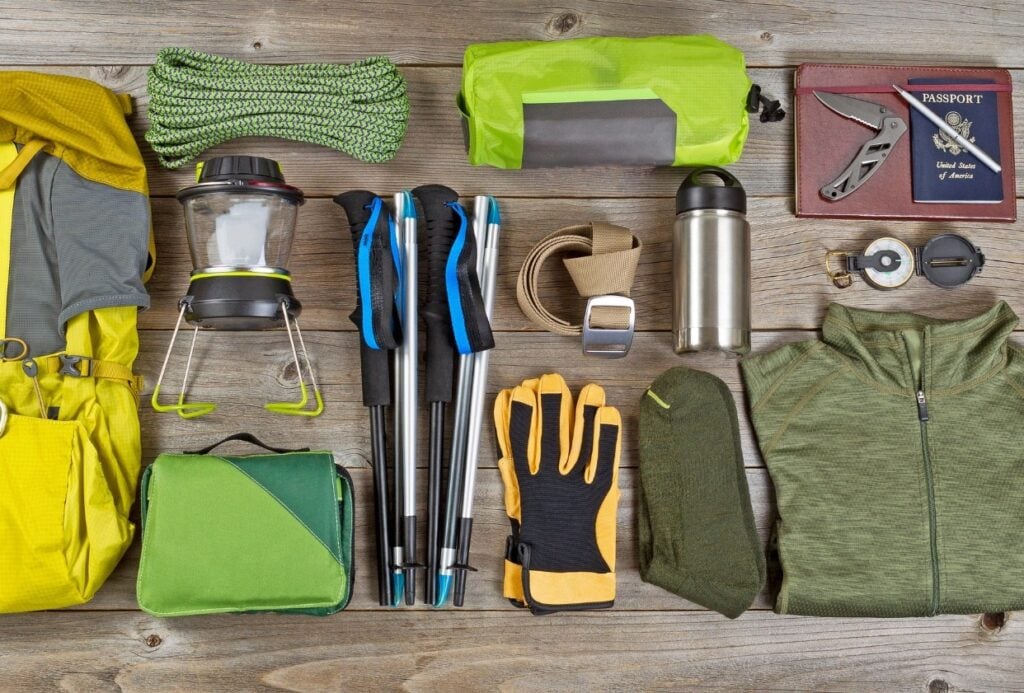
Phone, keys, water, flashlight, glasses, medication, and maybe a power bank should not be tossed somewhere random before bed.
The best setup is always the one that still makes sense when someone is half asleep.
If something important is needed in the middle of the night, it should be easy to find without turning everything upside down.
10. Put On The Right Sleep Layers
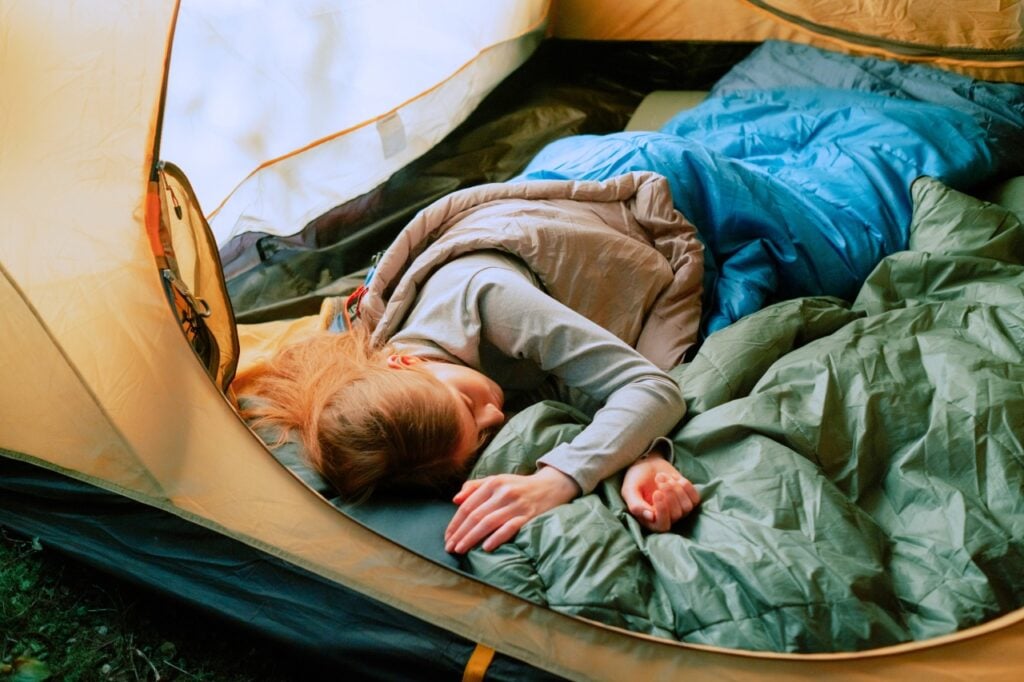
Campground nights can be tricky because temperatures don’t always feel the way people expect them to.
It might still seem warm while sitting by the fire, then suddenly feel chilly once everyone settles down.
Before going to sleep, it helps to change into dry, comfortable layers and keep an extra hoodie or pair of socks close by.
Sleeping in damp clothes, smoky clothes, or whatever was worn all day usually ends up feeling worse overnight.
11. Check For Anything That Could Make Noise All Night

This one gets overlooked constantly. A loose tarp corner, metal cup hanging from a hook, cooler handle tapping in the wind, plastic bag rustling outside, tent flap not tied down properly.
Tiny noises get very loud at 1 a.m., and sounds travel particularly easily at campsites.
A quick look around the site can prevent that kind of nonsense before it starts. Because remember that at camp, bad sleep tends to affect the whole next day.
Keeping noise under control is also one of those unwritten expectations covered in the camping rules that often surprise first-timers.
12. Make A Plan For The Morning
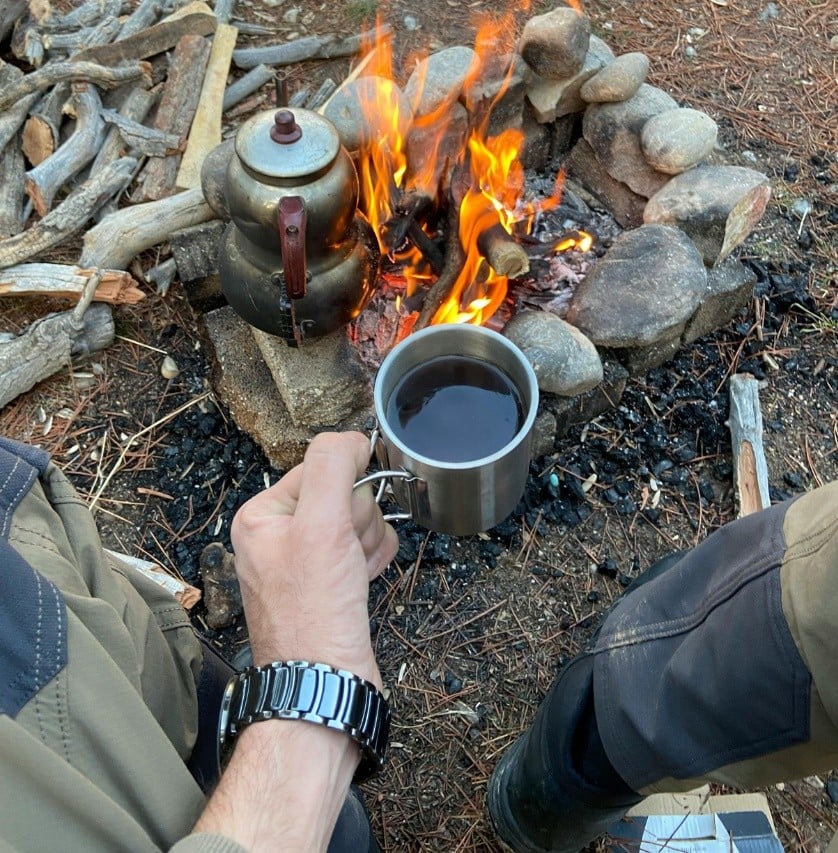
Not a full schedule. Nothing intense. Just a rough idea.
If breakfast needs to be made early, set out what’s needed.
If checkout is early in the morning, make sure the important items are easy to pack.
If there’s a hike, fishing trip, or drive planned, get a few things ready before sleeping.
Morning at a campground is always better when it starts with less scrambling.
13. Look Around The Campsite One Last Time
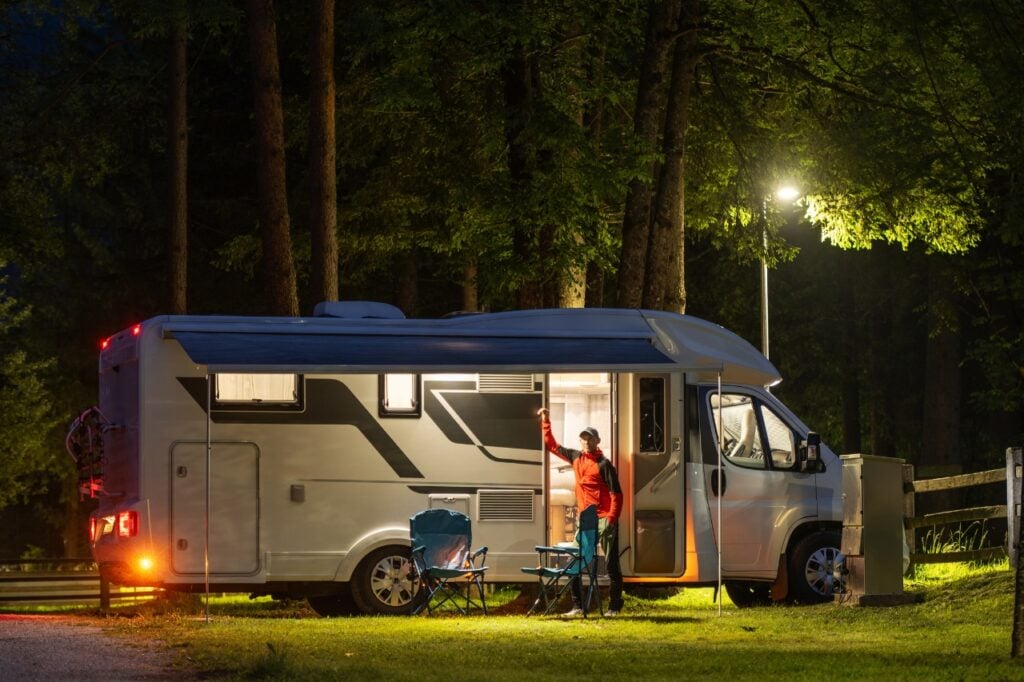
This may be the most underrated habit of all. Just one slow walk around the site before bed can catch a surprising number of problems.
That last glance saves a lot more than people think. It also helps prevent the messy or inconsiderate campsite habits that are causing some campgrounds to introduce stricter rules.
Camping is always a little unpredictable. That’s part of what makes it fun. But there’s no reason to make the night harder than it needs to be.
Take a few minutes, do the final checks, and then get some sleep. The campground will still be there in the morning, hopefully with everything exactly where it was left.