
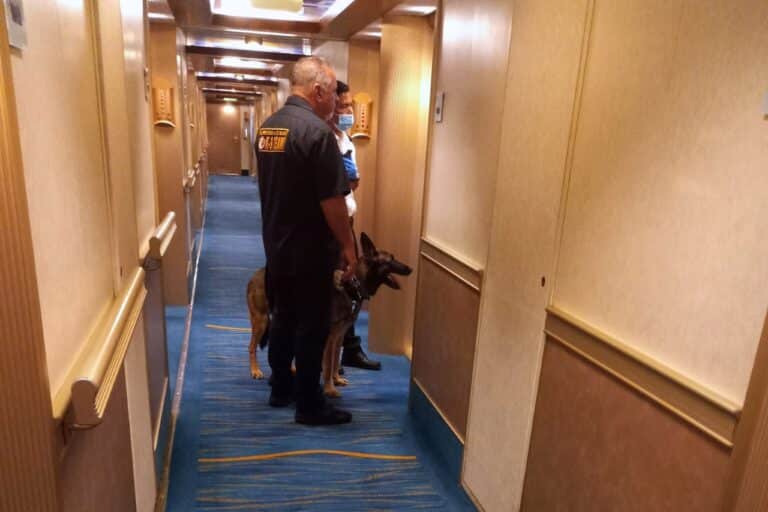
Sometimes, we tend to see cruise ships as magical places where anything is permitted.
When you are on vacation, it is easy to forget the rules, perhaps after drinking more than you should (let’s blame the unlimited drink package).
However, it is essential to remember that they remain public places with their own rules and must comply with strict maritime laws.
For this reason, I created a list of 10 prohibited things on cruise ships, focusing on the rules most often misunderstood or ignored.
Misusing Emergency Signals or Triggering False Alarms

This is something many people still underestimate, and by 2026 it is treated as a very serious offense across all major cruise lines.
Intentionally triggering emergency systems such as fire alarms, emergency phones, or muster alerts without a real reason is considered a violation of maritime safety laws.
Even doing it as a joke, a prank, or while intoxicated can lead to severe consequences.
False alarms disrupt ship operations, cause unnecessary panic, and pull crew members away from real safety duties.
Because of this, cruise lines can fine guests, confine them to their cabin, and often remove them from the ship at the next port.
In some cases, authorities ashore may also be involved, especially if the action leads to a full emergency response or delays the ship.
Controlled Substances
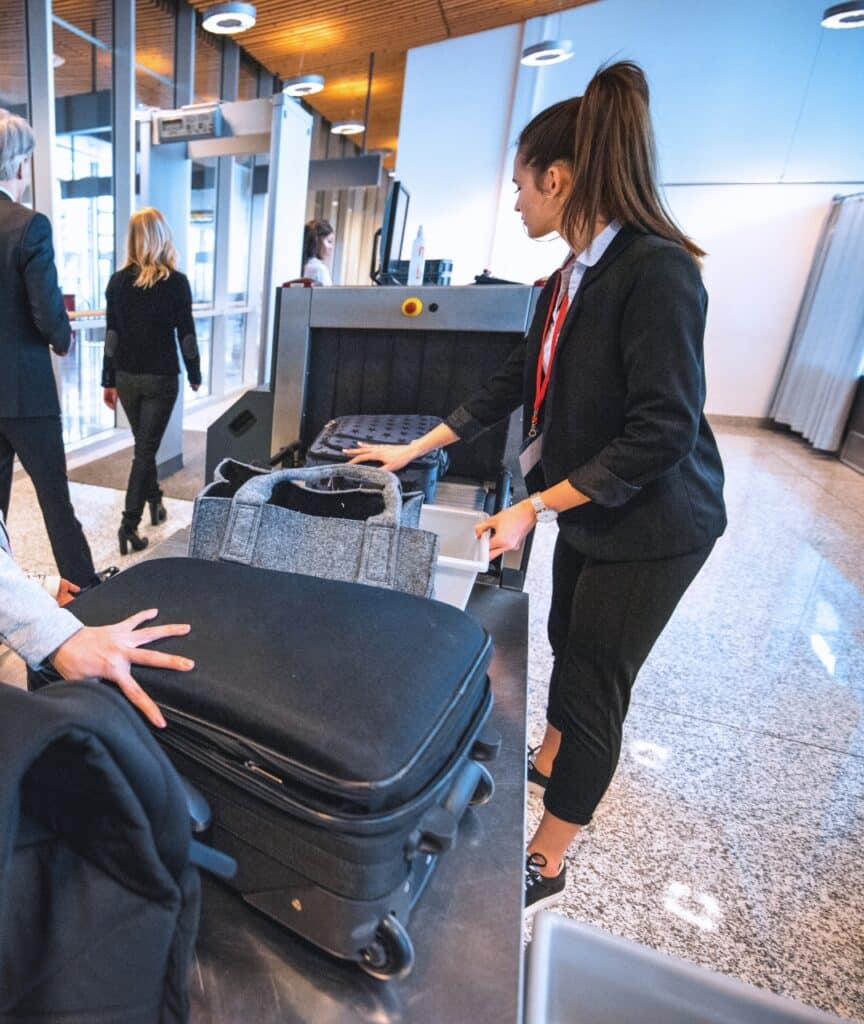
Although many countries have decriminalized substances such as cannabis, possession or use is still prohibited on virtually all cruise lines.
This also applies to THC products and many CBD items, regardless of whether they are legal where you live or used for medical reasons.
Security checks are conducted before boarding, and if prohibited substances are detected at any time during the cruise, the consequences can be severe.
Depending on the itinerary and local laws, guests may be removed from the ship and referred to local authorities at the next port.
Drinking Alcohol if You Are Under 21 Years Old (varies by itinerary)
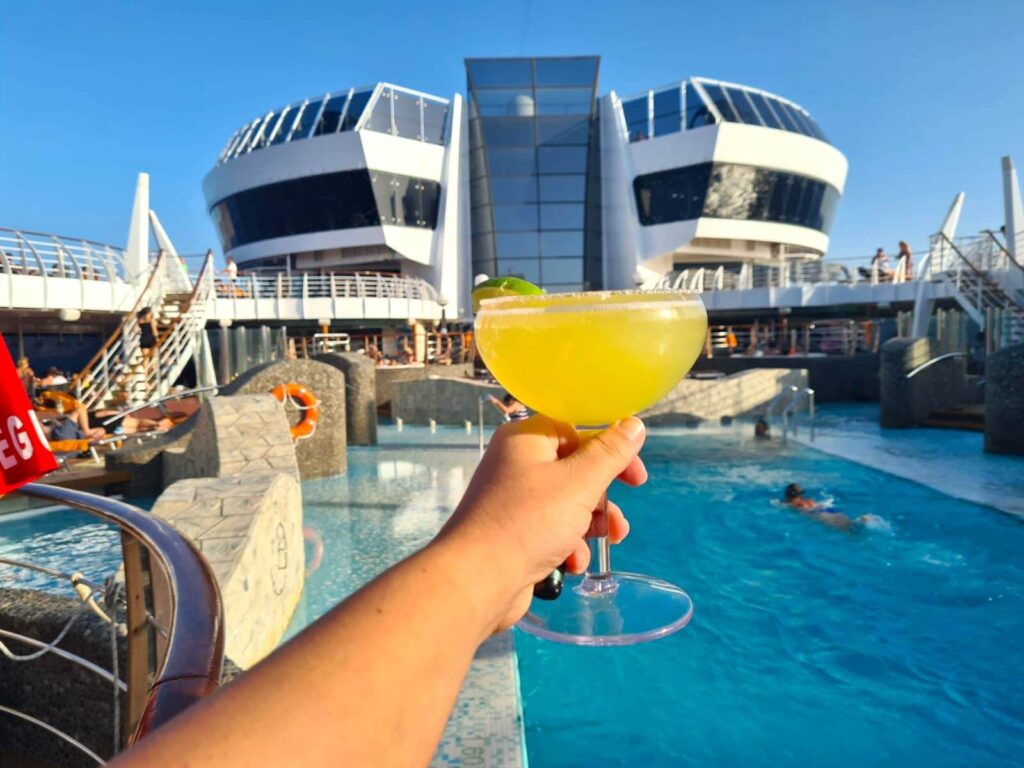
Alcohol rules can be confusing on a cruise. In many countries, the legal drinking age is 18, while in the United States, it is 21.
Because cruise ships follow the laws of their itinerary and departure port, age limits may vary.
For example, Royal Caribbean requires guests to be 21 on cruises departing from the U.S. and Caribbean, while allowing alcohol consumption at 18 on many European and international itineraries.
Violent or Threatening Behavior
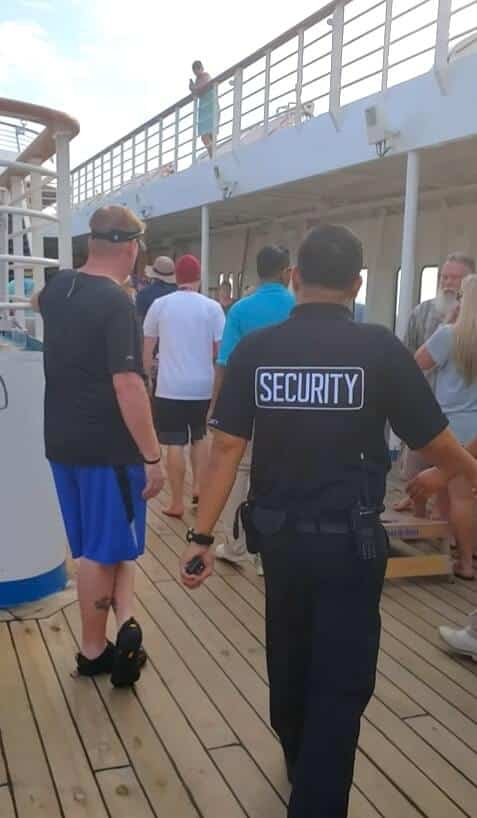
Any form of violence, including physical altercations or threats, is taken extremely seriously on cruise ships.
Cruise lines enforce a zero-tolerance policy for disruptive behavior, and guests involved may be removed from the voyage at the next port.
In some cases, incidents may also be referred to local authorities depending on the severity and location.
Tampering with Safety Equipment
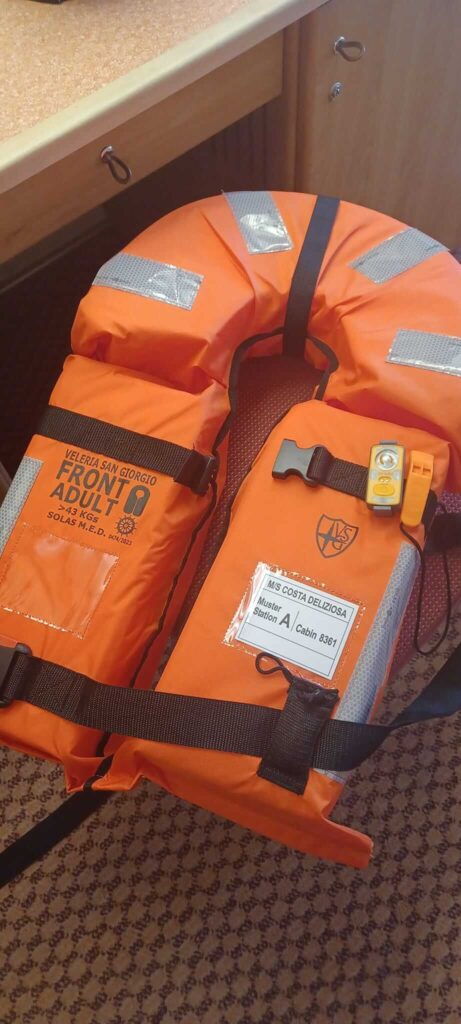
Safety equipment on cruise ships exists to protect everyone on board.
Interfering with lifeboats, fire extinguishers, alarms, or other safety systems is strictly prohibited and can put lives at risk.
Guests who tamper with safety equipment (like life jackets) may face fines, removal from the ship, or permanent bans from cruising.
Weapons and Replica Items
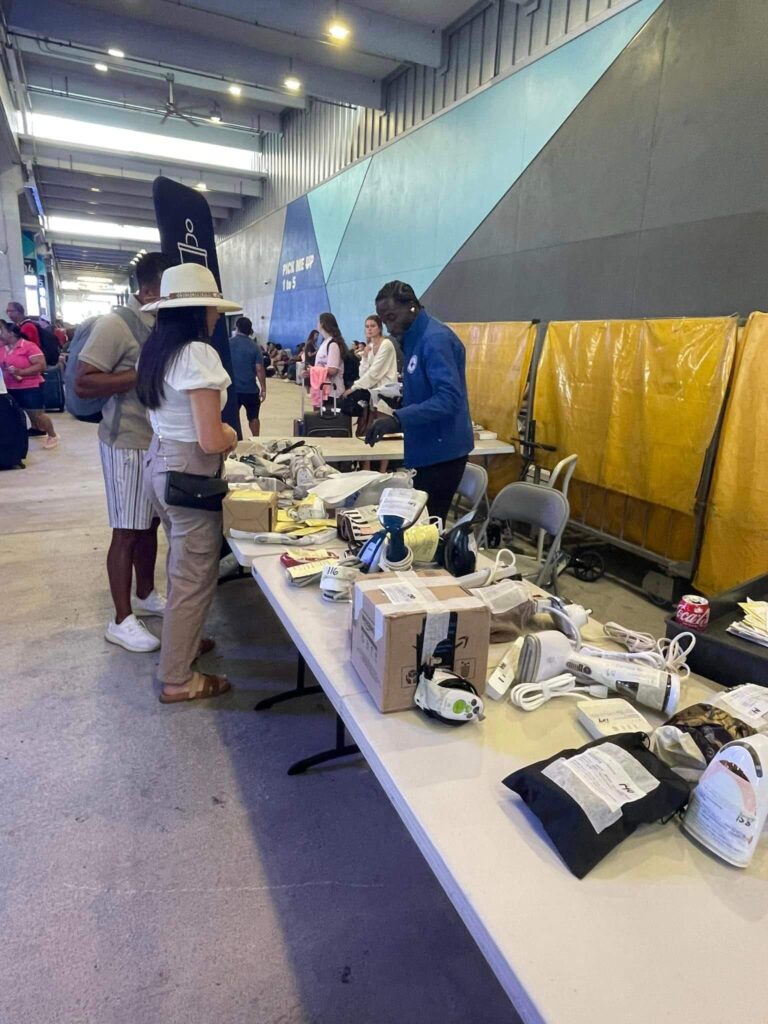
Firearms, blades, and any items that could be used as weapons are not allowed on board.
This policy also applies to replica items and novelty objects that may resemble weapons.
All luggage is screened during embarkation, and prohibited items are typically confiscated before boarding.
Gambling in Restricted Areas

Gambling on cruise ships is allowed only in designated casino areas and during approved times.
The ship must be in international waters, and gambling outside these limits is not permitted.
This is mainly related to international tax and maritime regulations.
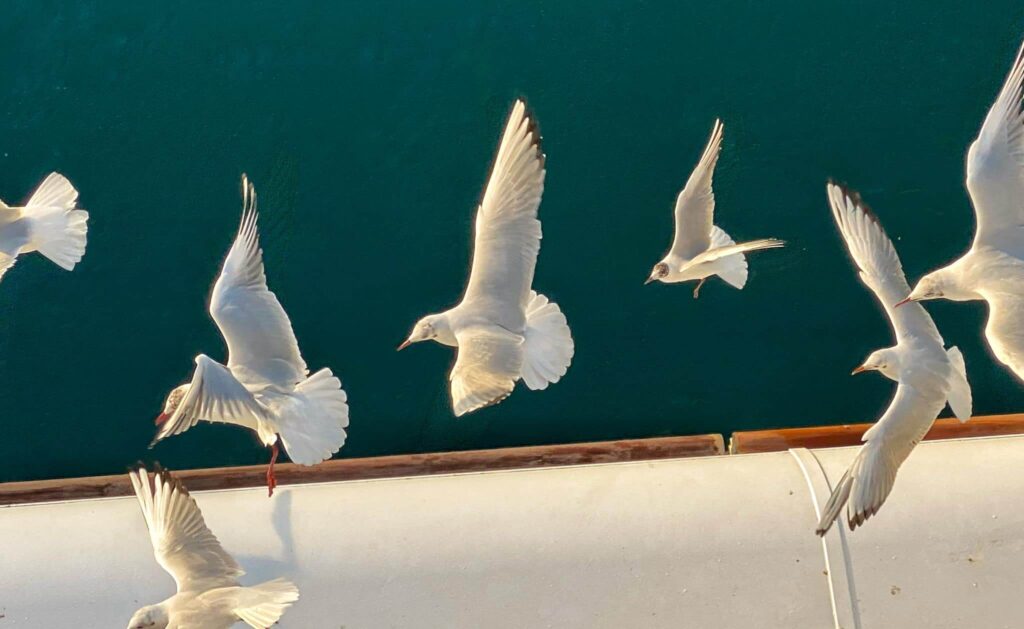
Environmental Violations (like feeding seagulls)
Cruise lines operate under strict environmental regulations to protect marine ecosystems.
Throwing objects overboard, improper disposal of waste, or polluting the ocean can result in heavy fines.
Feeding wildlife from the ship is also generally prohibited for environmental and safety reasons.
Interfering with Ship Operations
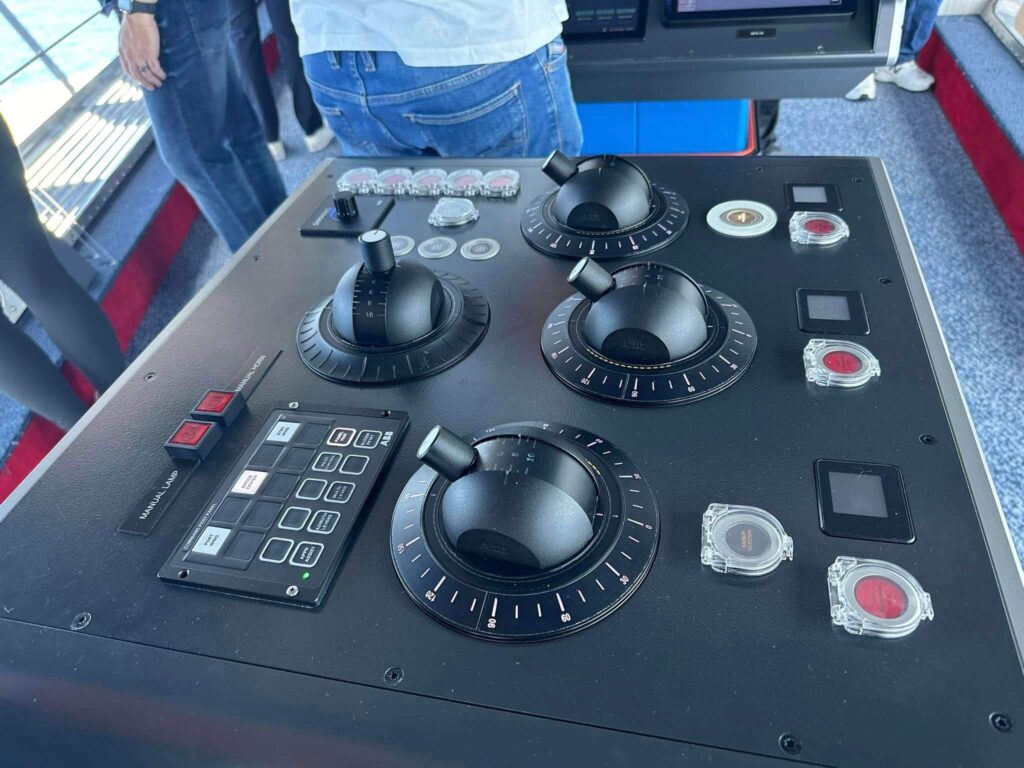
Accessing restricted areas such as the bridge or engine room is not permitted for guests.
These areas are critical to ship safety, and unauthorized access is treated as a serious security issue.
Always follow signage and respect crew-only zones while moving around the ship.
Consent and Harassment
Meeting new people is part of the cruise experience, but respect and boundaries always come first.
Any form of unwanted attention or contact is not tolerated on board.
Cruise lines work closely with authorities to address harassment complaints when they occur.
Taking Ship Property
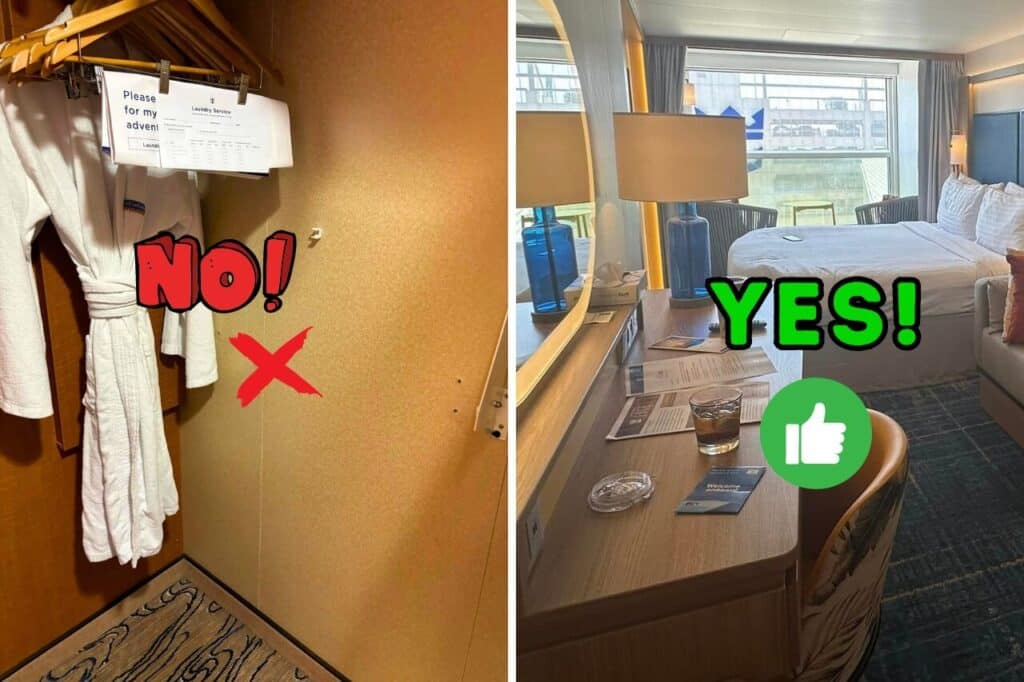
Some guests are tempted to take items from the ship as souvenirs.
Removing towels, robes, décor, or other ship property without authorization is considered theft.
That said, there are a few complimentary items that guests are allowed to take home.
To avoid confusion, you can read my full guide on the free things you can take from a cruise cabin.