
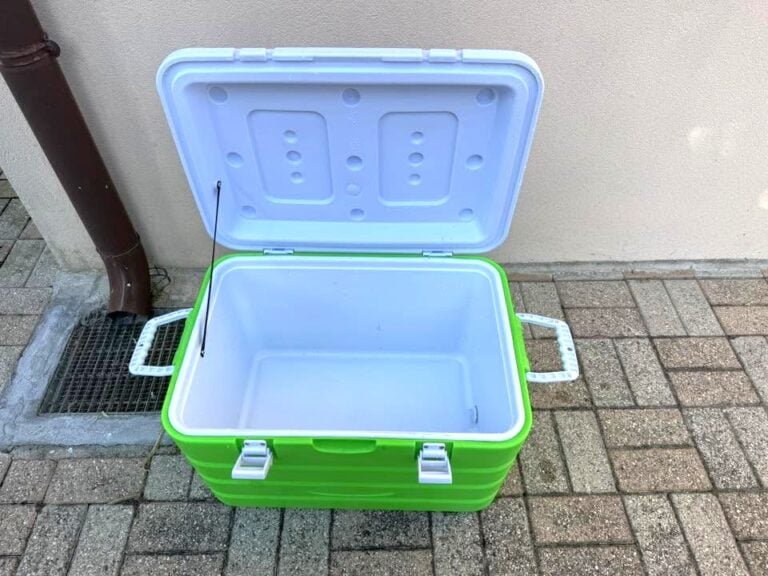
A cooler seems like the easiest piece of camping equipment to figure out. Add food, throw in some ice, close the lid. Pretty straightforward.
Except a few small mistakes can make the ice melt much faster and leave the food warmer than it should be.
An expensive cooler helps, sure. But how it gets packed and used matters just as much.
Before the next camping trip, these are the most common mistakes worth fixing.
1. Packing a Warm Cooler Right Before Leaving
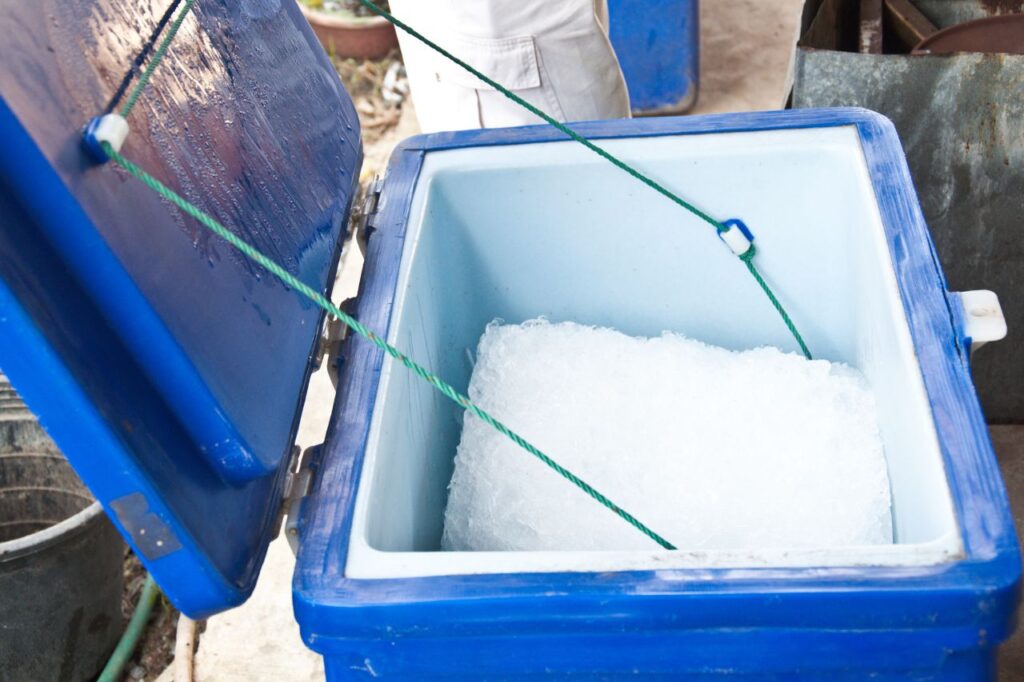
That cooler sitting in the garage might be clean and ready to go. It might also be surprisingly warm inside.
Fill it straight away, and some of the fresh ice has to cool the cooler itself before it can do much for the food. On a hot day, that’s a poor start.
Pre-chill the cooler before packing it. Put in a spare bag of ice or some frozen packs several hours ahead, ideally the night before.
Keep it somewhere cool while it chills, then replace the ice as needed when loading the food.
The food and drinks should already be cold, too. Room-temperature soda, a warm watermelon, and freshly cooked pasta salad all add heat that the ice has to deal with.
Chill everything in the refrigerator first. Freeze suitable foods ahead of time if they’re intended for later in the trip, allowing enough time for them to thaw safely before cooking.
A cooler has a much easier job when everything starts cold.
2. Filling Every Inch With Food and Leaving Almost No Room for Ice
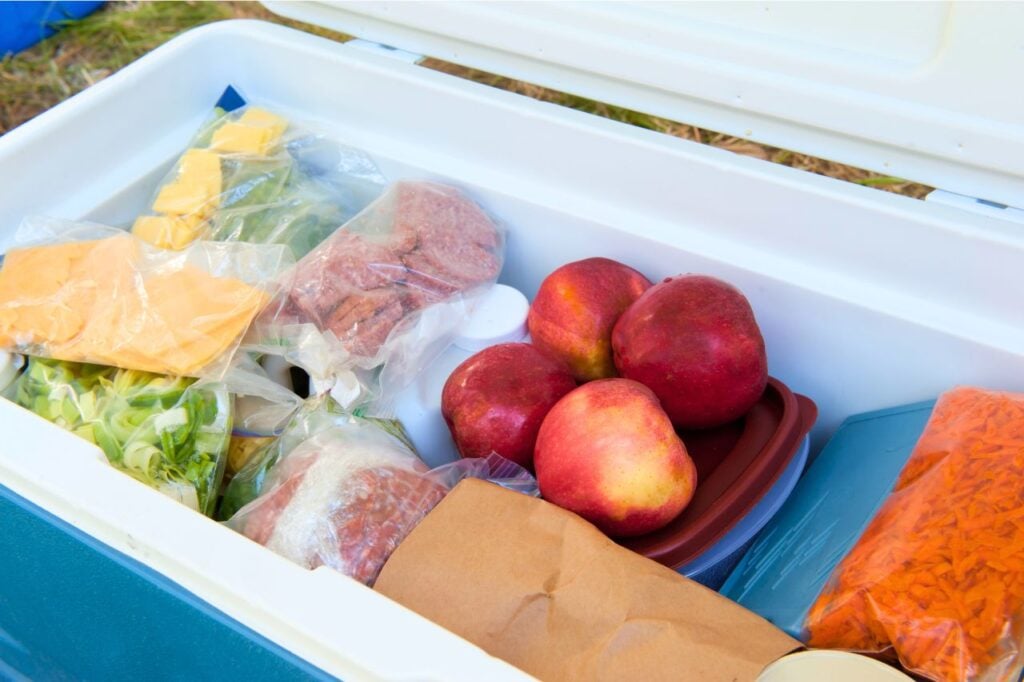
There’s a particular kind of optimism involved in packing a camping cooler.
Another package of burgers will fit. So will the big tub of potato salad. And those extra drinks.
Then the ice goes in, and there’s barely room for a few handfuls around the edges.
Ice needs a proper share of the space. It shouldn’t be the final ingredient squeezed into whatever gaps happen to remain.
Plan meals before packing, remove unnecessary outer packaging, and portion food into suitable containers.
A nearly empty family-size tub can take up space that would be much more useful for another frozen pack.
Also, check what actually needs refrigeration. Whole uncut fruit, bread, and unopened shelf-stable snacks can usually travel elsewhere.
For longer trips, plan where replacement ice will come from. Even a well-packed cooler needs attention, especially during hot weather.
3. Throwing Everything in Without a Plan
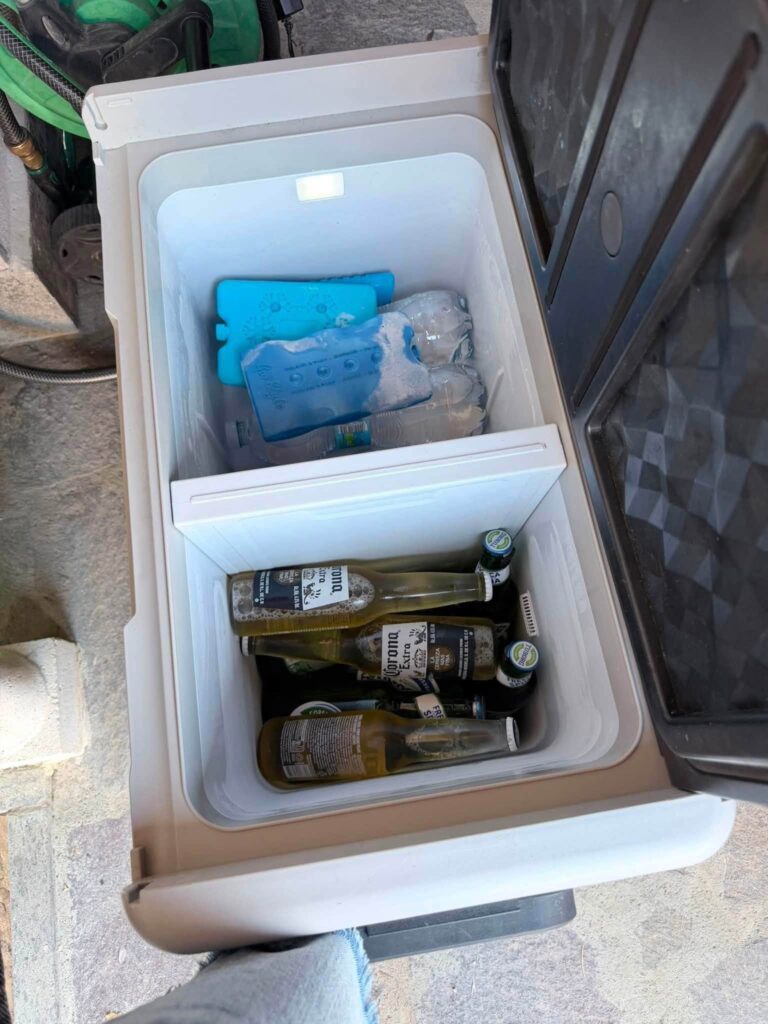
Random packing creates two problems: food gets crushed, and finding anything takes far too long.
The cheese ends up underneath dinner. Breakfast is somewhere near the bottom. Something soft gets flattened by a large frozen water bottle.
Pack with the next few meals in mind. Keep frequently used items accessible, protect delicate food, and group ingredients so there’s less rummaging around with the lid open.
And remember that raw meat needs its own secure, leakproof container, separated from ready-to-eat food.
It’s usually best to keep raw meat low in the cooler so any accidental leak is less likely to drip onto other food.
A simple basket or divider can help. Nothing fancy required.
4. Using the Food Cooler as the Campground Drinks Fridge
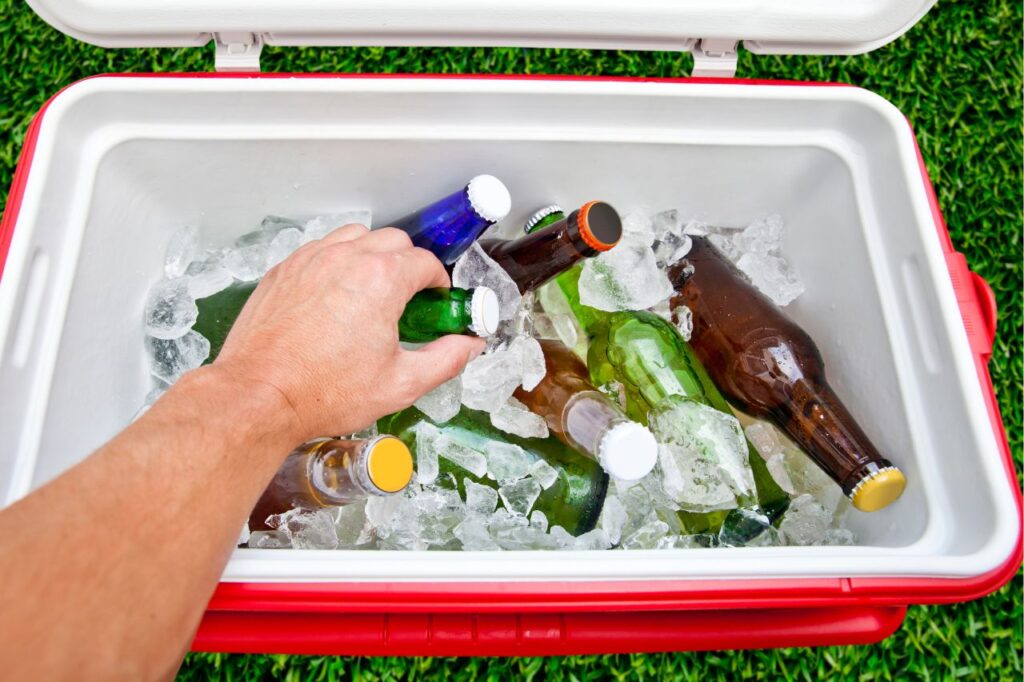
A drink here, another drink there, then someone opens the lid to see what’s left.
Every opening allows warm air inside, and a long search for a particular soda doesn’t help.
The USDA recommends separating drinks from perishable food because the drinks cooler tends to be opened more often.
If space allows, bring a separate drinks cooler. It doesn’t have to be huge. Even a smaller one can handle the drinks needed for the afternoon.
With only one cooler, keep beverages together and easy to grab. Decide what’s needed before opening the lid, then close it properly afterward.
And don’t forget to check the latches! A lid that looks closed may still have a gap, particularly when an overstuffed food bag gets caught underneath it.
5. Leaving It Wherever There’s an Empty Spot
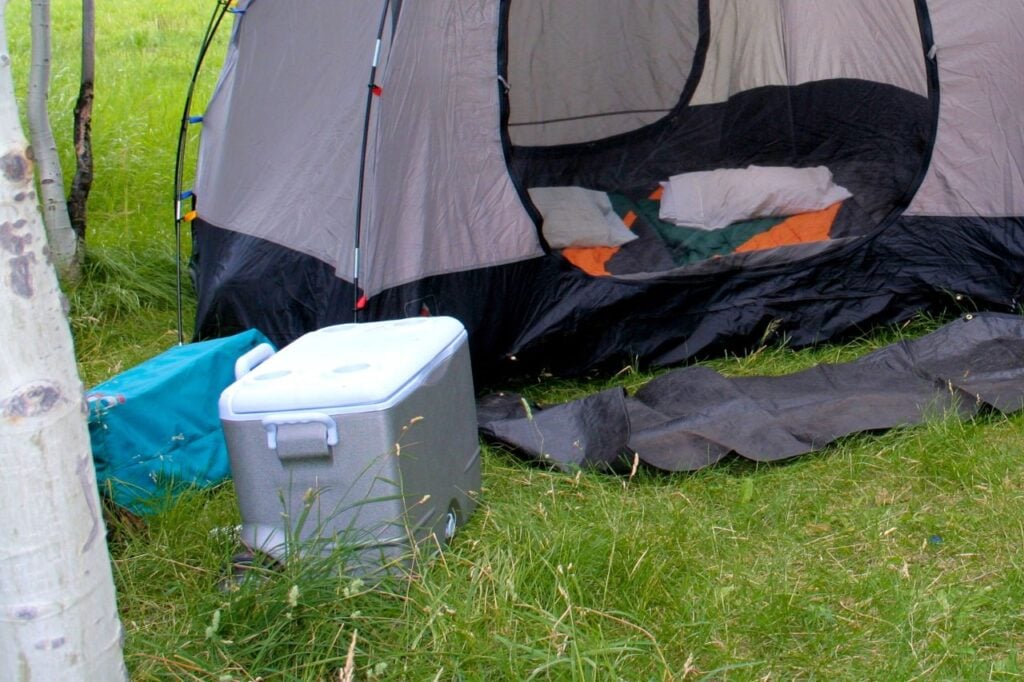
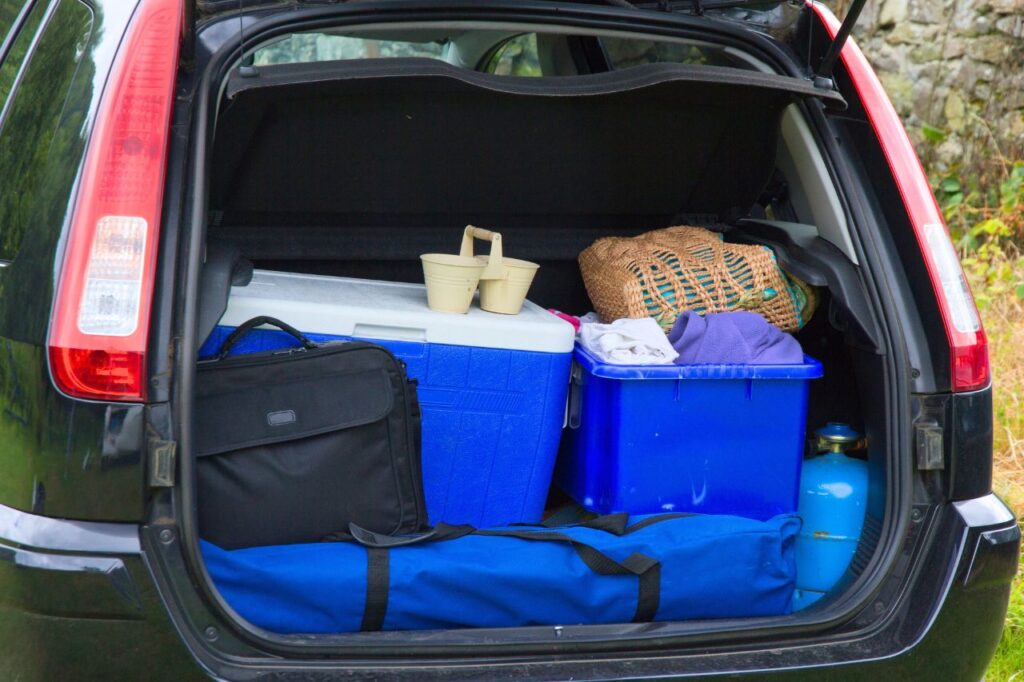
Cooler placement often gets decided by convenience. Beside the picnic table. Near the tent entrance. In the back of the vehicle.
But a convenient spot at breakfast can be in full sunshine by lunch.
Keep the cooler shaded whenever possible, and remember that shade moves throughout the day.
A tree that protects it in the morning might offer very little cover in the afternoon.
Avoid leaving it in a hot parked vehicle when there’s a cooler, secure storage option available. During travel, keep it away from direct sunlight as much as practical.
At campgrounds with wildlife storage requirements, those rules take priority.
A cooler still contains food smells, even with the lid firmly shut. Use the storage arrangements required at that campsite.
6. Trusting the Ice Instead of Checking the Temperature
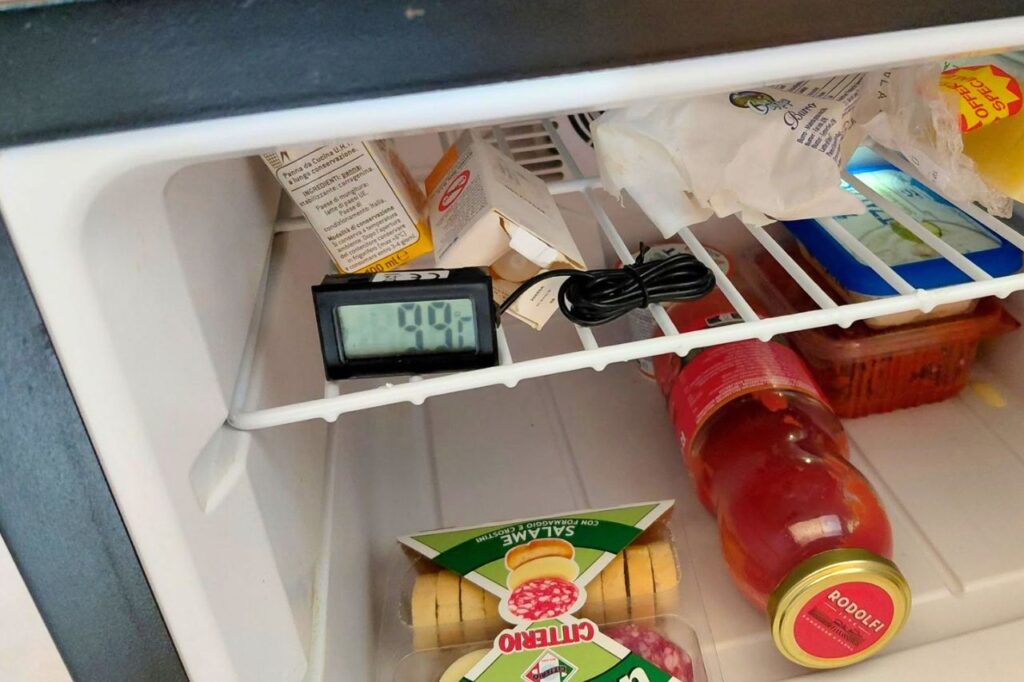
A cooler can still have some ice inside while parts of the contents are warmer than they should be.
That’s why “there’s ice left” isn’t a reliable temperature check. Neither is touching a package and deciding it feels cold enough.
Put an appliance thermometer inside the cooler. Cold perishable food should stay at 40°F, about 4°C, or below, and a thermometer lets you check rather than guess.
Check it periodically, particularly during hot weather, after a long drive, or when the ice supply is running low.
7. Letting Food Packaging Turn Into a Soggy Mess
Loose ice works well. Cardboard packaging sitting in the meltwater does not.
Neither do loosely wrapped sandwiches, poorly sealed bags, or a carton that gradually softens.
Pack food to withstand moisture and movement. Use leakproof containers, seal bags carefully, and keep items that need to stay dry in a raised basket or suitable container.
Frozen water bottles and reusable ice packs can reduce the amount of loose water.
Just leave expansion space when freezing bottles, and don’t assume every container is freezer-safe.
Also, keep ice intended for drinks separate from ice used around food packages and raw ingredients.
Once home, empty the cooler, wash it thoroughly, and let it dry completely with the lid open before storing it.
Good cooler habits don’t need to be complicated:
- Start cold
- Leave room for ice
- Keep things organized
- Pay attention to the temperature
These are the most important things. Just follow them with a bit of care, and you’ll have a perfect camping experience!