
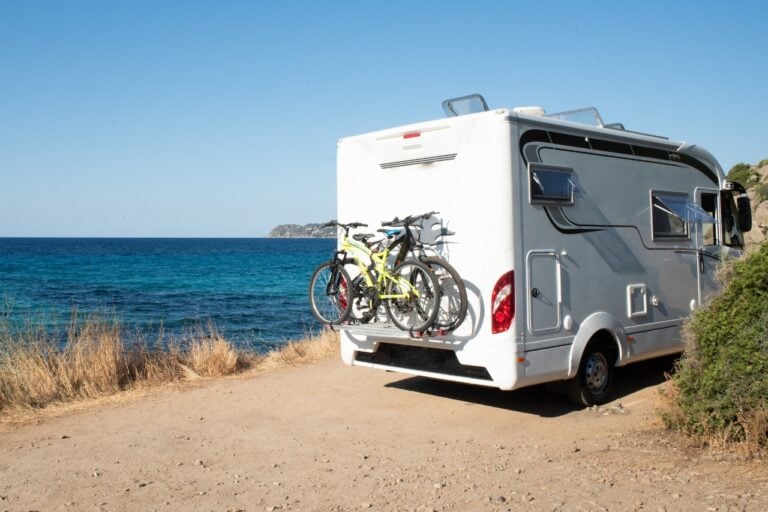
There’s a lot to love about RV life. The freedom, the changing views, the mornings with coffee outside, and the feeling of having a home parked in some amazing place.
But RV ownership also comes with a learning curve, and sometimes that curve hits hard. Usually at the worst possible moment.
A lot of common RV problems don’t happen because people are careless. They happen because some mistakes seem small at first.
Then suddenly there’s a dead battery or a repair bill nobody wanted.
Here are 10 mistakes every RV owner should avoid if they want smoother trips and fewer headaches on the road.
1. Buying an RV That’s Too Big
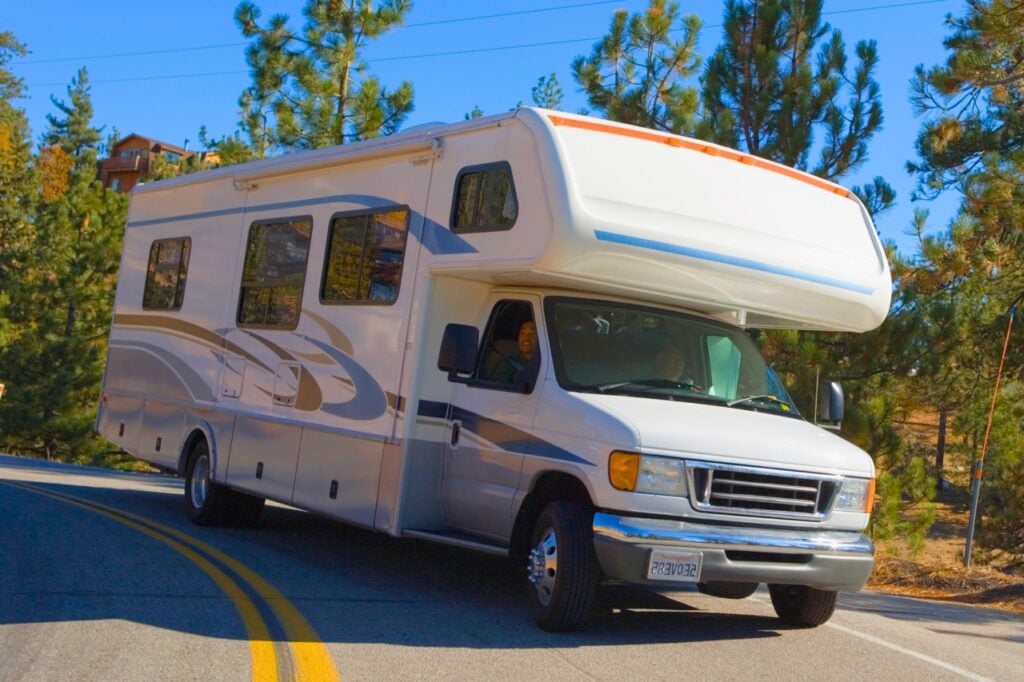
This is one of the biggest mistakes right out of the gate.
A huge RV can look amazing online or at the dealership. More room, bigger kitchen, larger bed, extra storage.
Until it’s time to drive it through a tight campground, back it into a narrow site, fuel it up, or find a place to park it anywhere.
Bigger is not always better. Sometimes it’s just more stressful.
A lot of new RV owners assume they need as much space as possible, when what they really need is something they feel comfortable driving and managing.
2. Skipping the Pre-Trip Check
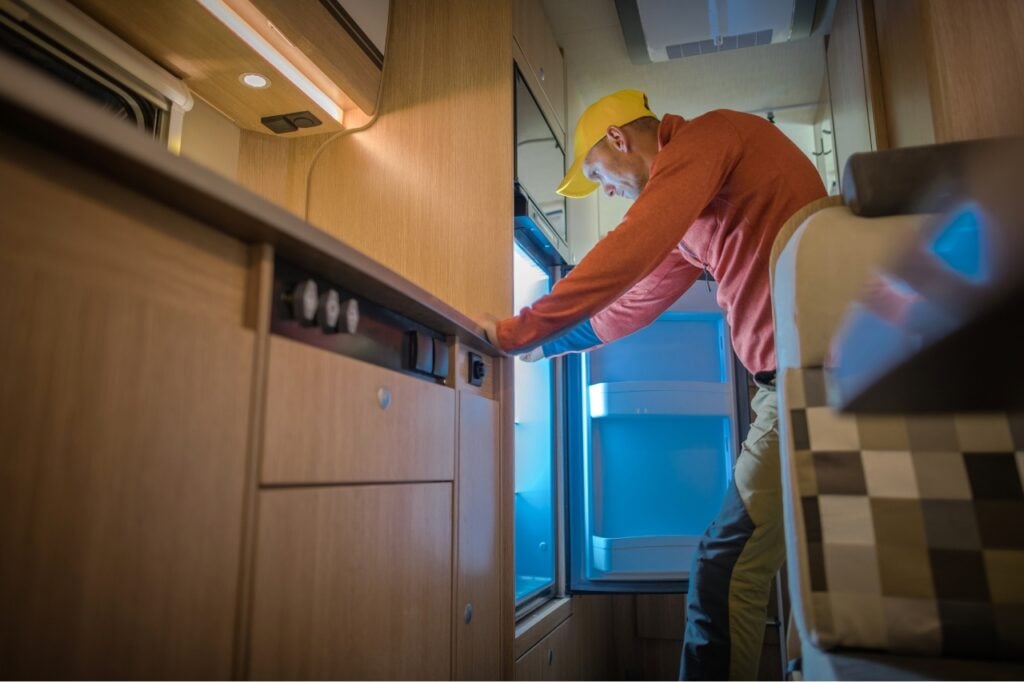
Skipping a basic pre-trip check is never a good idea.
It only takes one forgotten step to create a mess, and a quick walk around before leaving can prevent a whole bunch of dumb problems.
You should usually check tires, lights, hitch connection, slide-outs, battery charge, water levels, propane, storage compartments, and awning locks.
3. Ignoring Weight Limits
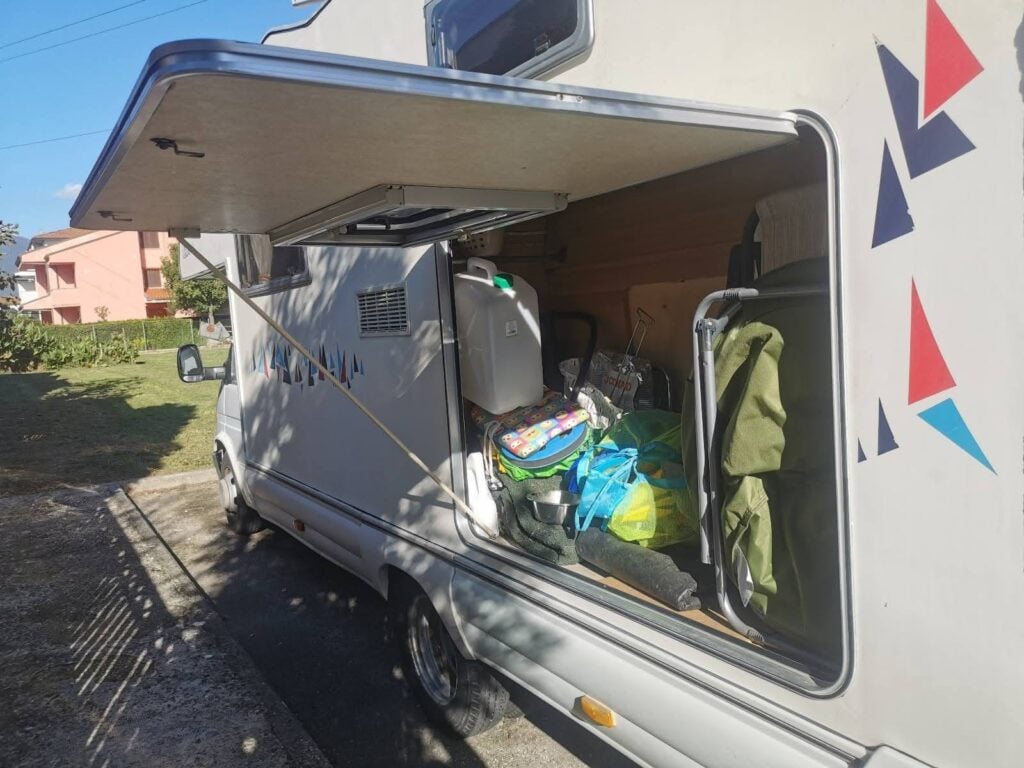
This one catches a lot of people off guard.
It’s easy to think, “It still fits, so it’s fine.” But RV weight limits are not suggestions.
Overloading an RV affects braking, handling, tire wear, fuel use, and overall safety. It can also put serious strain on the suspension and frame.
A lot of owners don’t pay attention to cargo capacity until there’s already a problem. That’s usually too late.
4. Not Learning How the Systems Work
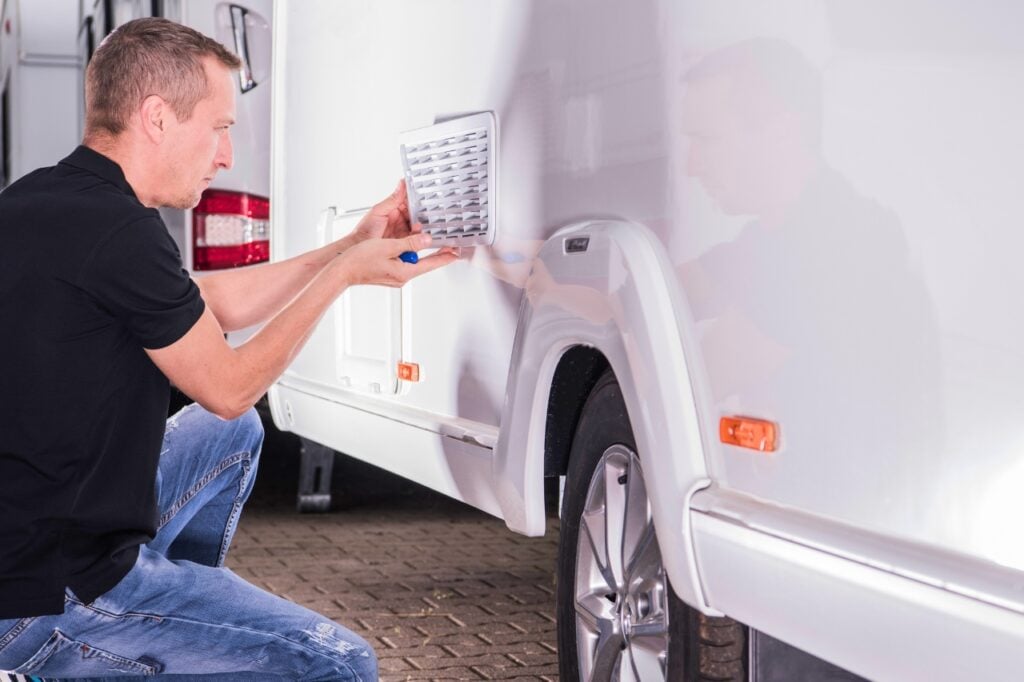
An RV is not just a vehicle. It’s a vehicle, a mini house, a plumbing setup, an electrical system.
Too many owners head out without really understanding the basics.
Fresh water, gray tank, black tank, water heater, shore power, inverter, propane, battery setup, sewer hookups. It can feel like a lot at first, sure, but not learning any of it makes things way harder later.
A little time spent learning the RV’s systems can save a ton of frustration. You can learn a lot simply online or with YouTube videos.
5. Being Careless With Water
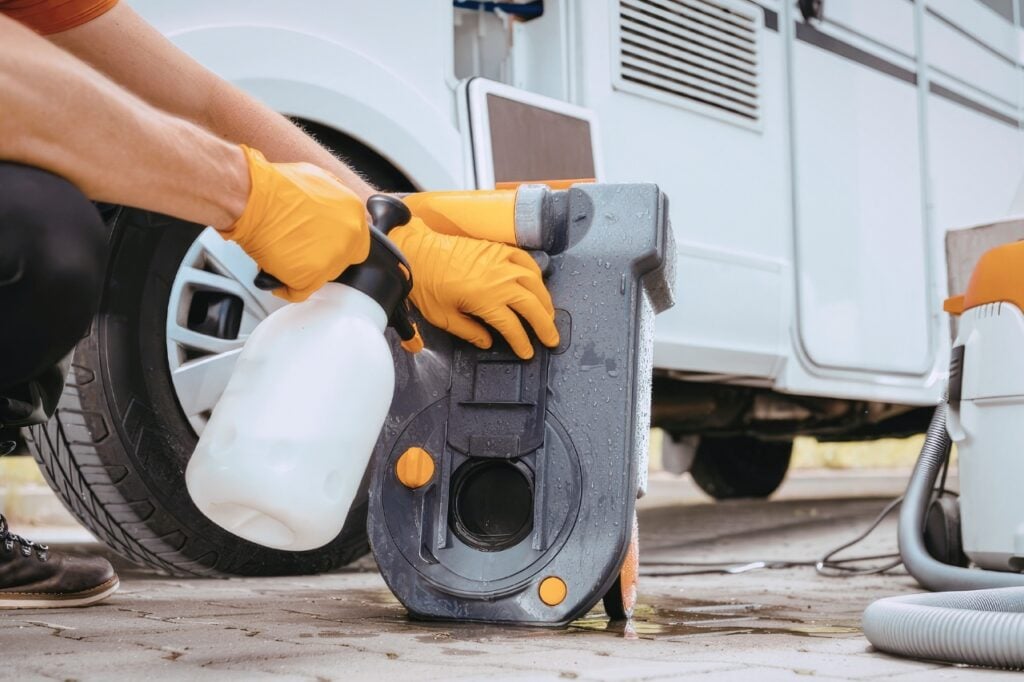
Water damage is one of the worst things that can happen in an RV.
And the annoying part is that it often starts small, like a tiny leak around a seal.
Then it can quickly become something worse, like stained walls, mold, or damage hidden behind panels.
RV owners sometimes focus on the fun upgrades and forget the boring maintenance, but checking seals, inspecting the roof, and watching for leaks is absolutely worth it.
Remember that water has a way of sneaking in quietly and causing serious damage before anyone notices.
6. Waiting Too Long to Dump Tanks
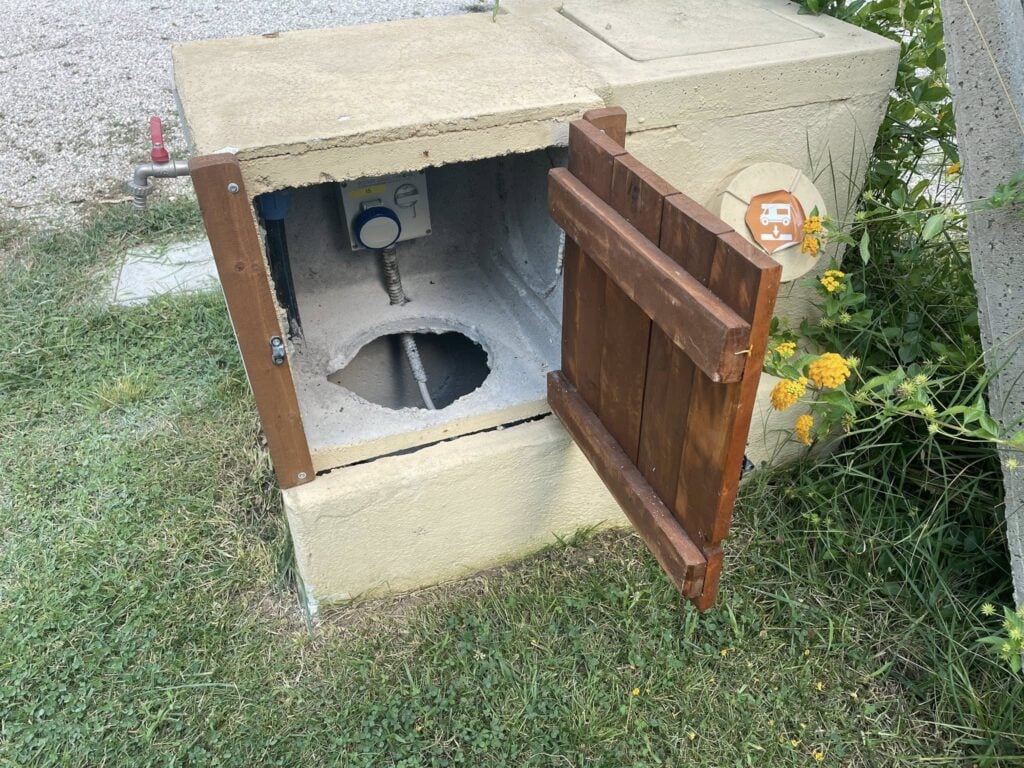
Nobody really loves dealing with tanks, that’s just part of RV life.
Still, putting it off too long can create some nasty problems. Especially with the black tank.
It can lead to clogs, sensor issues, and smells that nobody wants anywhere near the campsite.
Tank maintenance is one of those things that feels annoying, but you should regularly do it to avoid disasters.
7. Setting Up Camp Without Thinking About the Site
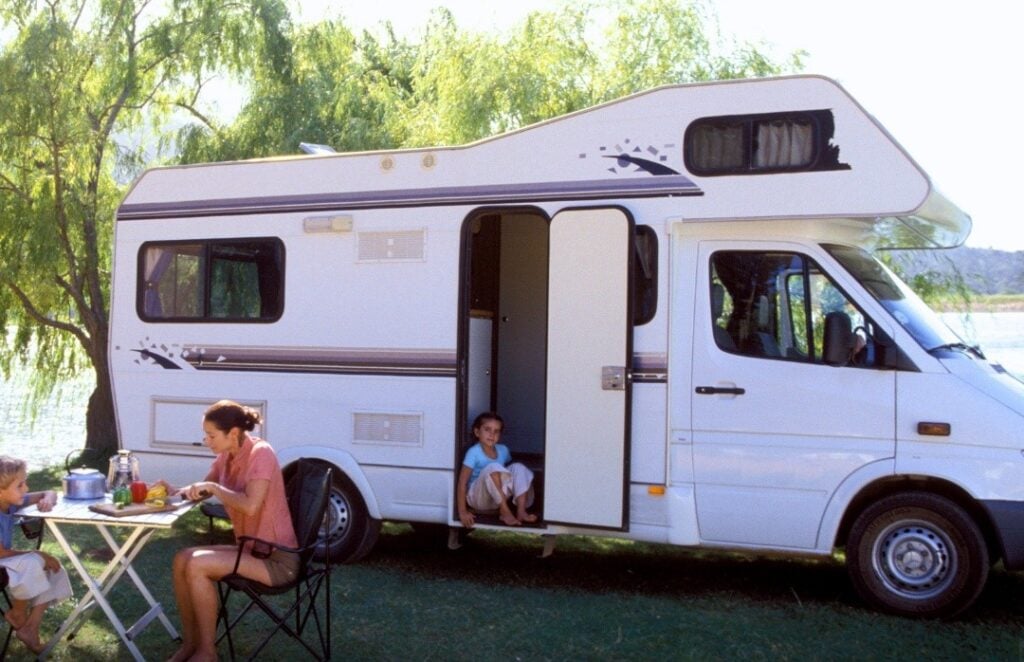
A lot of people pull into a campsite and just focus on getting parked, but rushing the setup can lead to a bunch of little regrets.
A few extra minutes can make a huge difference.
Good campsite setup is not just about getting everything connected. It’s about making the space comfortable, practical, and easy to live in for a few days. That part matters more than people expect.
In addition, be mindful of the other campers around you. There are 10 things RV campers do that tent campers can’t really stand.
8. Forgetting That Tires Age Even When They Look Fine
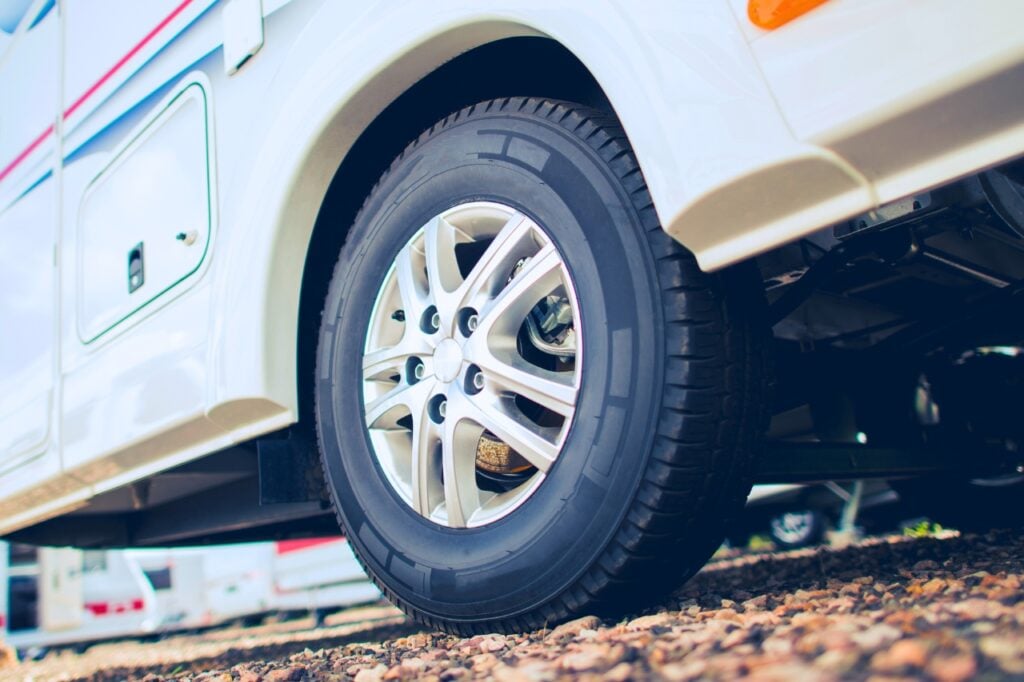
This is another one that gets overlooked too often.
RV tires can look completely okay on the outside and still be unsafe.
They age out, dry out, weaken, and become risky even if the tread still looks decent. That’s especially true for RVs that sit parked for long stretches.
Always remember that a nice-looking tire is not always a good tire.
Blowouts can cause serious damage to the RV and create dangerous situations on the road.
So keep an eye on tire pressure matters, but also check the age of the tires and replace them when needed. Without delay!
9. Packing Way Too Much
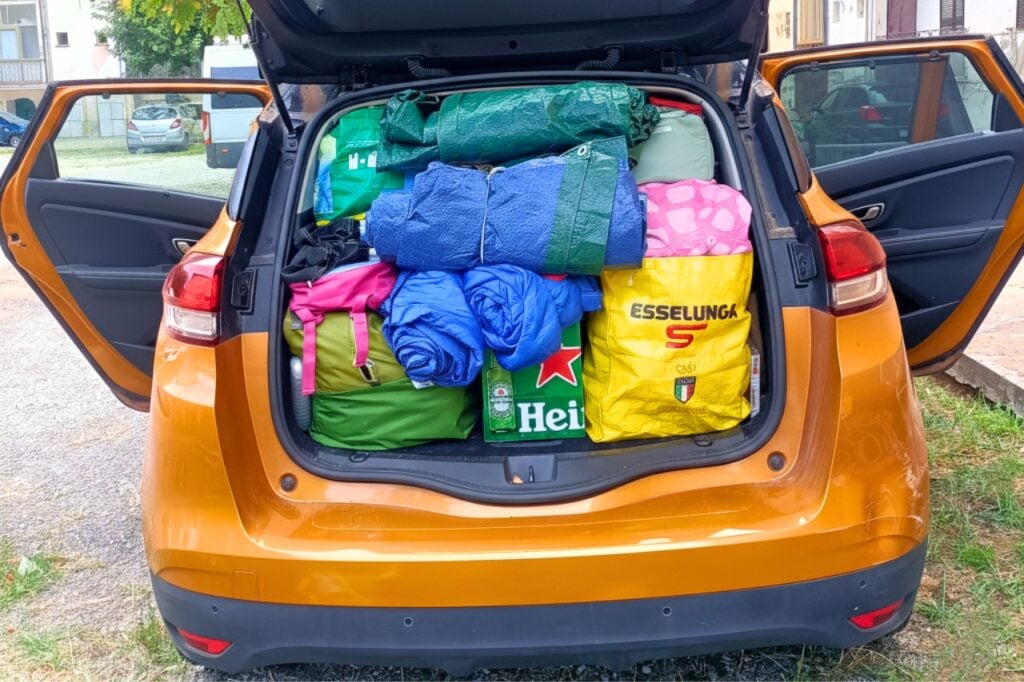
This happens to almost everybody at first.
It starts with good intentions. Like bringing extra kitchen gear or backup tools.
But before long, the RV is packed with things that barely get used.
RV living gets better when it stays simpler. Not empty, not bare, just less overloaded.
The more unnecessary stuff comes along, the more effort everything takes. More organizing, more cleaning, more weight, more hassle.
So don’t forget to check the list of the 10 things you should never bring camping.
10. Treating Maintenance in the Wrong Way
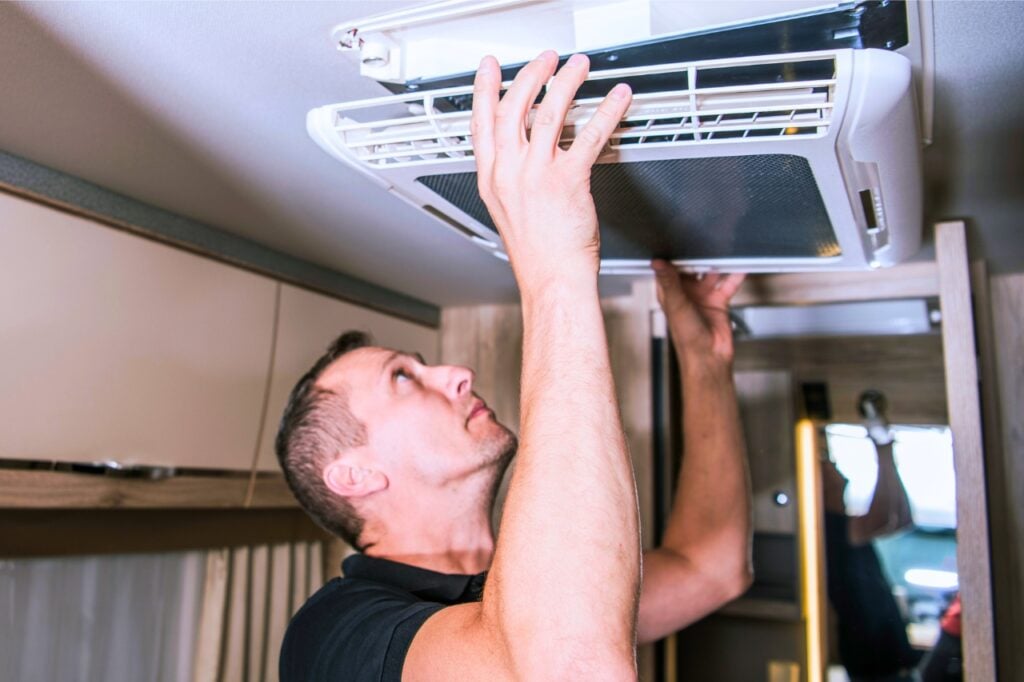
This is probably the mistake behind half the problems RV owners deal with.
Small maintenance jobs are easy to ignore because the RV still works.
However, RVs need regular attention. For example, if you hear an odd noise, it’s a good idea to check it out right away rather than wait and let things get worse.
That doesn’t mean something always has to be fixed, but it does mean owners need to stay ahead of little issues before they grow into big ones.
The people who seem to have the smoothest RV trips are usually the ones who handle the boring stuff before it becomes something else.
So learning what not to do makes a huge difference. Fewer breakdowns, less stress. More time actually enjoying the campground and the whole reason the RV was bought in the first place.