
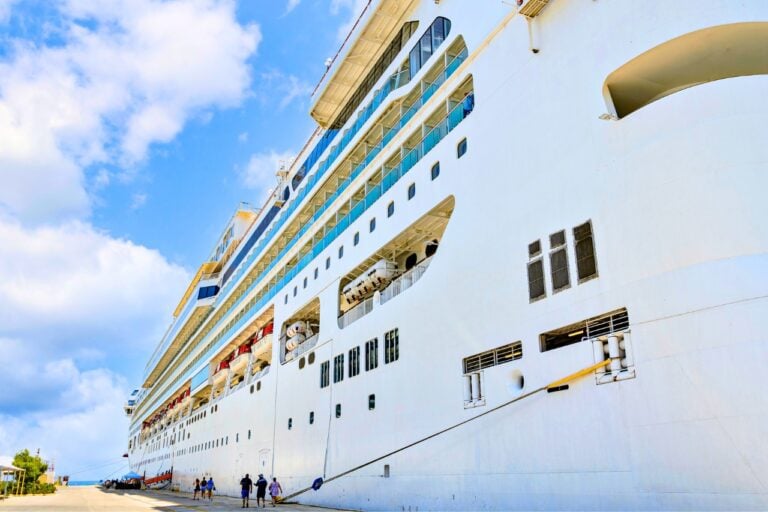
What began as a cruise crossing in the Atlantic has now turned into the kind of travel story nobody ever wants to read.
Three passengers have died following a suspected virus outbreak.
Health authorities have also been looking into several other possible cases, while at least one passenger was reported to be in intensive care as the situation kept unfolding.
The ship had been sailing on a voyage linked to Ushuaia and Cape Verde when the emergency drew international attention.
The first signs

At first, it appears the onboard medical situation developed around a passenger who became seriously ill during the voyage.
Reports said a 70-year-old Dutch man later died after reaching St Helena.
Not long after, his wife, aged 69, also died in a South African hospital.
A third passenger then also lost their life, turning what may have looked like an isolated medical issue into something much more alarming.
That is when concern really started to build.
By then, questions were already spreading faster than answers. Was this a contained illness? Something picked up before boarding?
Or something that had moved quietly through part of the ship before anyone fully realized what was happening?
What officials are saying about the virus
According to the World Health Organization, at least one infection has been confirmed as linked to hantavirus, while several additional cases remain suspected and under investigation.
WHO has been working with national authorities and the cruise operator on evacuation efforts, testing, and epidemiological follow-up. DNA sequencing of the virus was also reportedly underway.
That confirmed case matters because hantavirus is not something most cruise passengers would ever expect to hear about at sea.
It is generally associated with exposure to infected rodent urine, droppings, or saliva, and in some cases, it can lead to severe respiratory disease or other serious complications.
Reuters reported that authorities described it as a rodent-borne virus that can cause fatal respiratory illness.
A ship known for remote expeditions
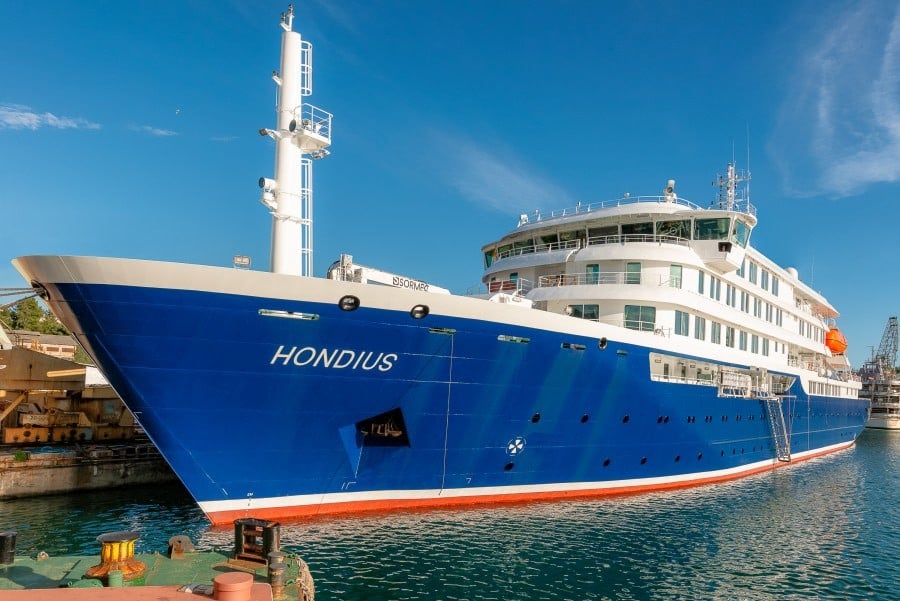
The ship is the m/v Hondius operated by Oceanwide Expeditions. It’s not a mainstream mega ship with waterslides and promenades.
It’s a small expedition vessel used for more remote itineraries, with 82 cabins in total.
And maybe that is part of why this story feels especially unsettling.
On remote itineraries, passengers are often far from major medical centers, and even a standard emergency can become much harder to manage.
When the illness involved is something unusual, the pressure gets even worse.
Other passengers and crew were still waiting for help
The outbreak did not stop with the fatalities already reported.
Coverage on May 3 and May 4 said additional passengers and crew had shown symptoms, with at least one British passenger being treated in Johannesburg.
Reports also said two symptomatic crew members still needed urgent medical care, while disembarkation and medical transfers were being complicated by authorization issues involving Cape Verdean authorities.
That part, honestly, makes the whole thing even heavier.
A medical emergency is bad enough. A medical emergency in the middle of a voyage, with evacuations, approvals, and multiple governments involved, is a completely different level.
Oceanwide Expeditions responds
Oceanwide Expeditions has been involved in coordinating with public health authorities during the incident.
Public reporting described the company as managing a serious medical situation onboard while international agencies monitored events closely.
At the time of reporting, a lot was still not fully clear, including how exposure may have happened and whether all suspected cases would ultimately be confirmed as hantavirus.
What Is Hantavirus?
Hantavirus is not the kind of cruise ship illness most people immediately think of.
When passengers hear “outbreak,” the mind usually jumps to norovirus. That one is common on land too, of course, but it gets a lot of cruise headlines because it spreads easily in shared spaces.
Hantavirus is different. It’s usually linked to exposure to infected rodents, especially their urine, droppings, or saliva.
People can become infected by breathing in contaminated dust, touching contaminated materials, or, in some cases, through bites.
The WHO has said person-to-person spread is rare, though certain types of hantavirus have been associated with it.
The illness can start with symptoms that may seem flu-like at first. Fever, aches, stomach issues, and feeling generally awful.
But in severe cases, it can progress to serious respiratory disease, and that is where it becomes extremely dangerous.
There is no specific antiviral cure for hantavirus. Treatment is mainly supportive, meaning doctors try to help the body through the worst of it, sometimes with intensive care and breathing support in severe cases.
Avoiding infection whilst on a cruise
As you probably already know, viruses spread quite easily on cruise ships, which is why it’s important to follow the rules.
If you’re going on a cruise, take a look at the article with the 10 Must-Know Tips to Avoid Getting Sick on Your Next Cruise.
You should always wash your hands thoroughly, especially before eating at a buffet (which is one of the most dangerous areas)!
In this regard, don’t forget to check the 10 Buffet Habits That Will Get You Banned (or Sick).