
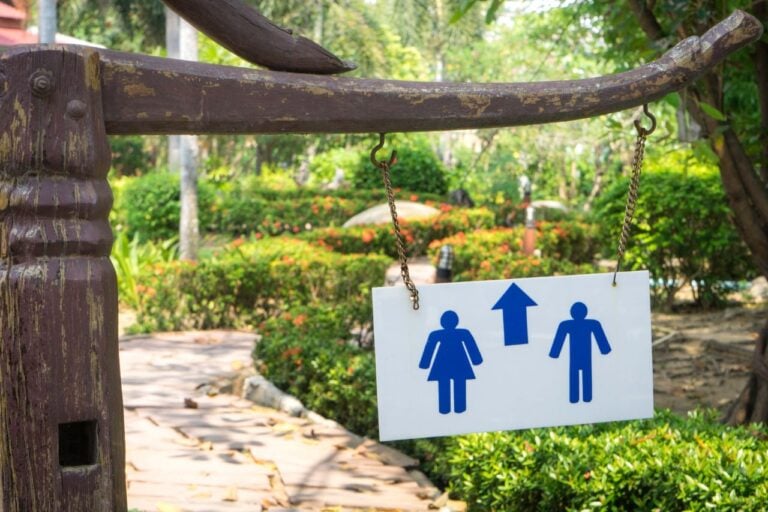
Campers will spend an hour debating the best spot for a tent or whether the RV is level.
Then somebody asks where the bathroom is, and the answer is, “I think it’s down that path?”
Bathroom stuff isn’t the fun part of camping. But when it goes wrong, it has a way of becoming the only thing you remember about the trip.
These are the mistakes I try to avoid, whether I’m sleeping in a tent or traveling with an RV.
1. Assuming the campground bathroom will have everything
A restroom symbol on the campground map tells you where the building is. It doesn’t tell you whether the showers are open, whether there’s hot water, or whether the toilet paper dispenser will be empty.
Before booking, check what facilities the campground actually offers.
Then bring your own toilet paper, soap, a towel, and shower sandals if you plan to use the showers.
It’s a small bag of stuff. You’ll be very glad you packed it when the bathroom turns out to be more basic than the photos suggested.
2. Finding the bathroom for the first time at 2 a.m.
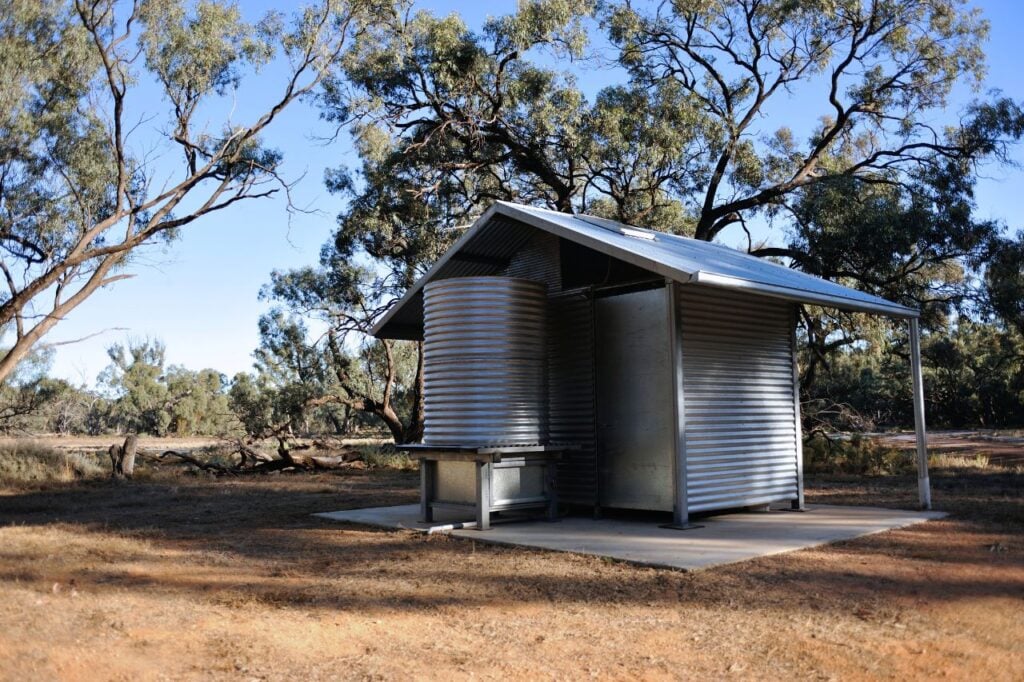
During the day, the walk to the restroom looks easy. At night, every campsite looks oddly similar, and that shortcut between the trees might be a muddy ditch.
Take a walk to the bathroom soon after you arrive. Notice where the lights are, and keep a flashlight or headlamp where you can reach it without unpacking half the tent.
If you’re camping with kids, show them the route too.
RVers aren’t automatically off the hook here. If you plan to use the campground showers instead of your own, you still want to know where they are before you’re standing outside in flip-flops after dark.
3. Packing toilet paper and forgetting everything else
Toilet paper is usually the first thing people remember.
But a lot of people then forget about soap, a way to dry your hands, a small bag for used wipes or hygiene products, and somewhere to put clean clothes while you shower.
I like keeping bathroom supplies together in one bag. Nothing fancy. It just saves the little scavenger hunt every time someone needs to go.
For tent campers, a dry change of clothes matters too, especially if the walk back from the shower is in the rain.
And bring more toilet paper than you think you need. That roll disappears surprisingly fast when several people are sharing it.
4. Treating the woods beside your campsite as a bathroom
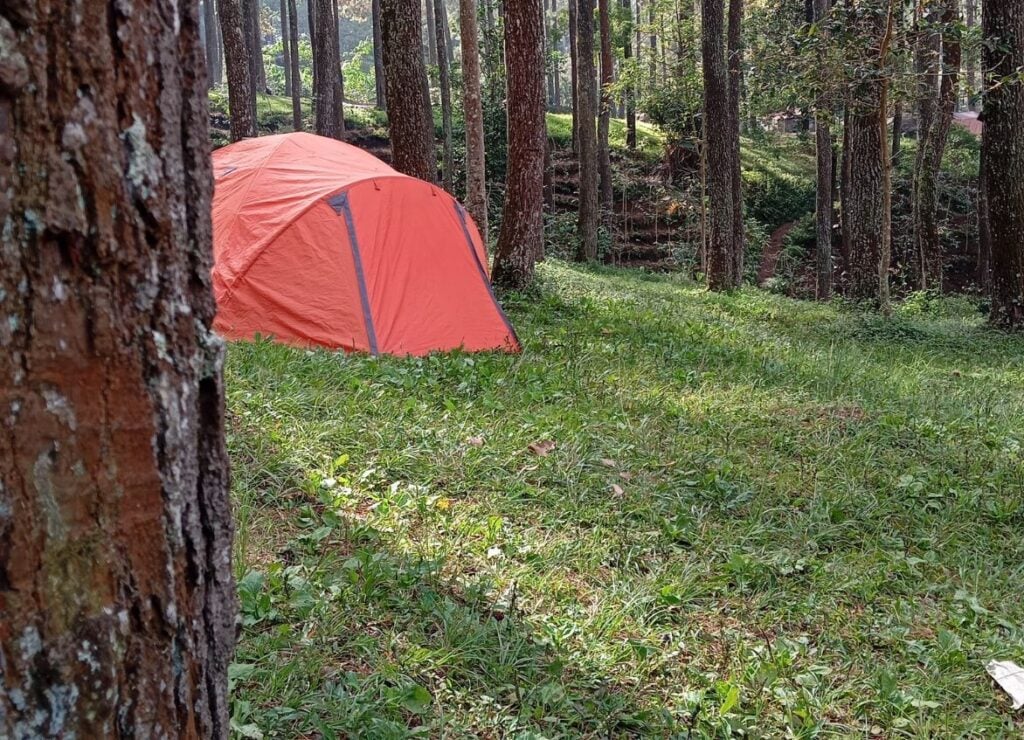
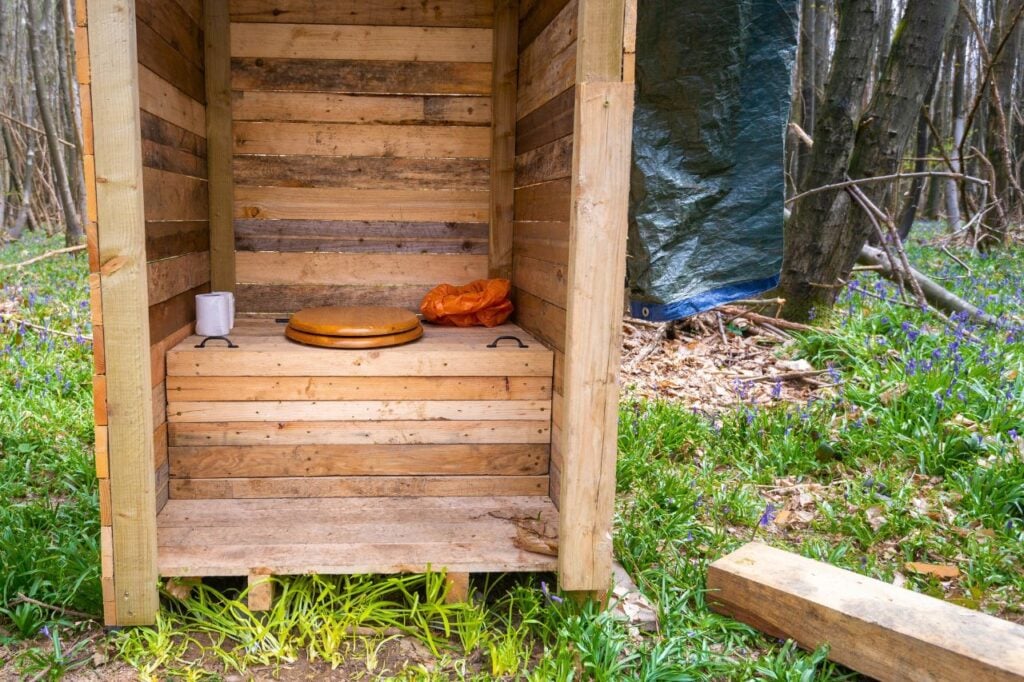
If there’s a restroom, use it. Nobody wants to pitch a tent and discover that the patch of trees behind it has become everyone’s unofficial toilet.
When you’re camping somewhere without facilities, find out the local waste rules before you go.
Some places require you to pack everything out. In places where burying human waste is allowed, you need to do it properly and well away from water, trails, and campsites.
Used wipes and hygiene products should come back with you.
5. Putting wipes down an RV toilet
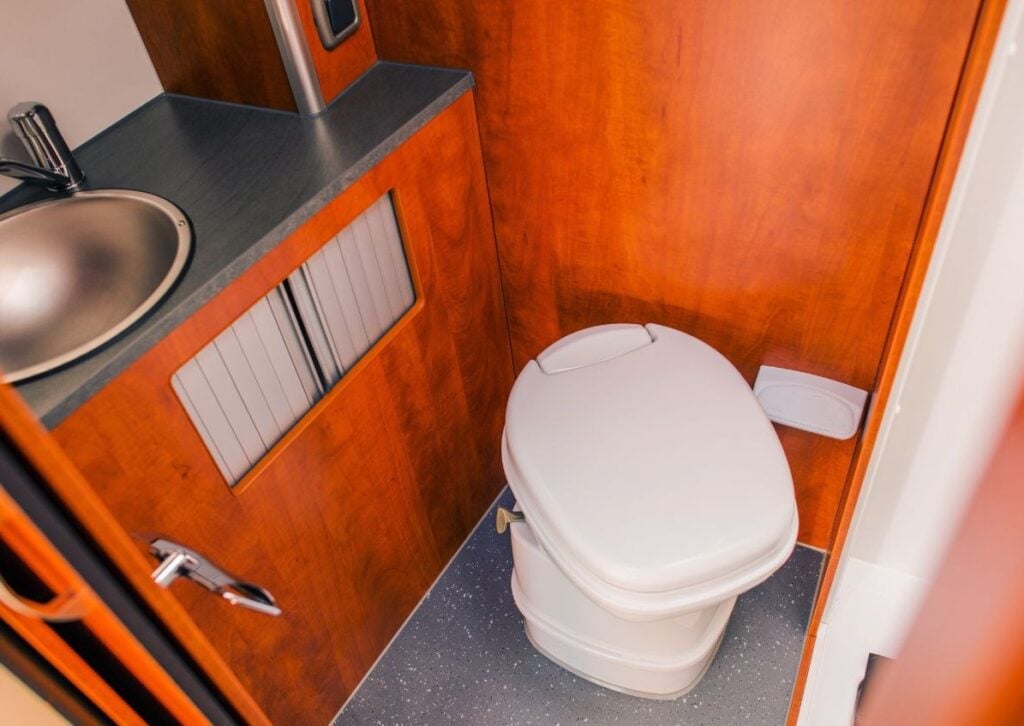
The packet might say “flushable,” but an RV toilet and holding tank are a different setup from the toilet at home.
Wipes can cause a blockage that is deeply unpleasant to deal with mid-trip.
Keep a small, lined trash can in the RV bathroom for wipes and hygiene products.
Be careful with toilet paper too; use one that works with your RV system and don’t use half a roll per flush.
It’s much easier to prevent a clog than to spend your afternoon figuring out where it is.
6. Leaving the RV black tank valve open at a full-hookup site
It’s tempting. You’ve connected the sewer hose, so why not let everything drain as you go?
The problem is that liquid can run out while solids stay behind in the tank. That is a situation you really don’t want to troubleshoot during your vacation.
Keep the black tank valve closed until you’re ready to empty it, and follow the instructions for your particular RV.
It’s one of those habits that feels fussy until the day you’re grateful you did it.
7. Waiting too long to check the tank or toilet capacity
This applies to RV tanks and portable camping toilets. They both have a limit, and “we can deal with it tomorrow” is a risky plan when you’re leaving for a full day of hiking.
Check levels before a long outing and know where you can empty the tank or portable toilet.
If your RV’s tank gauge seems unreliable, pay attention to how much you’ve used the bathroom and how long it’s been since the last dump.
Finding a dump station while you still have plenty of room is mildly boring. Finding one urgently is a whole different experience.
8. Rushing through the dump station
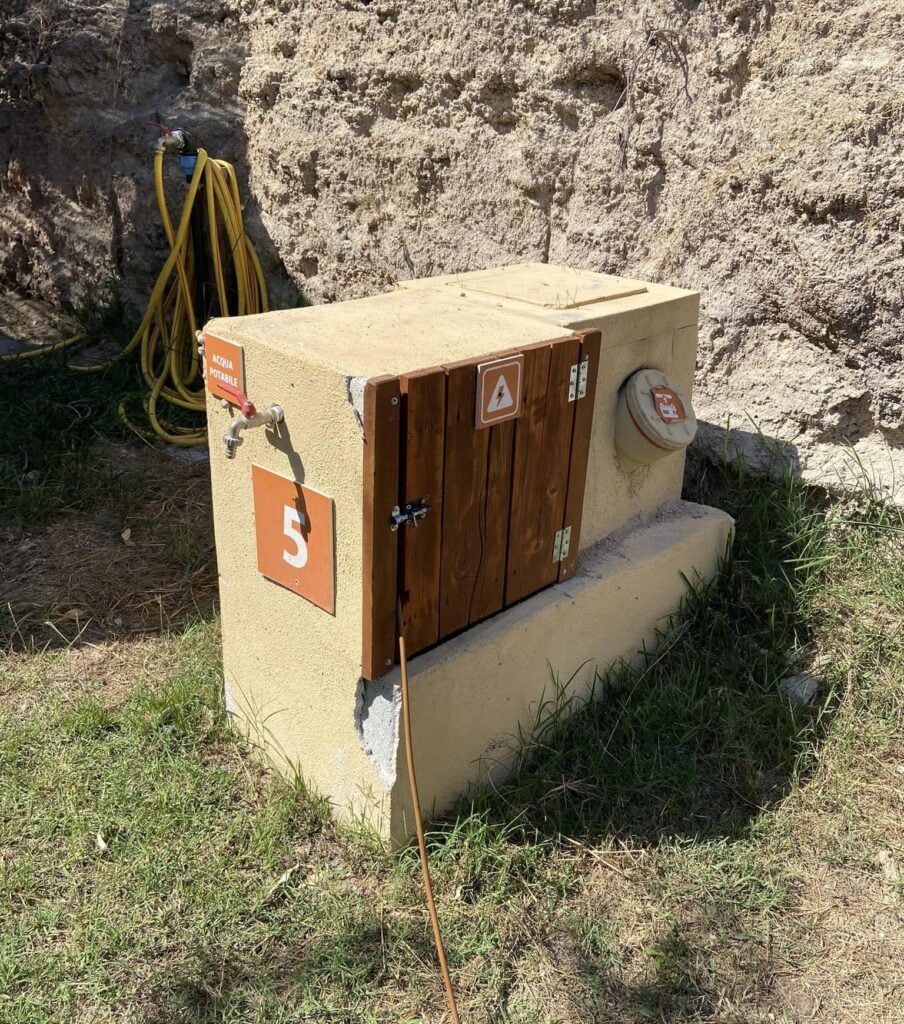
Nobody loves this job, especially when another RV pulls up behind you. Still, take your time with the hose connections.
Make sure everything is secure before opening a valve, and check that the valves are closed before you disconnect anything.
Keep the supplies you need together, including gloves and a way to clean your hands afterward.
If it’s your first time using a particular RV or portable toilet, read its instructions before you’re standing at the dump station. That’s a much calmer place to learn the process.
9. Pouring wastewater wherever it’s convenient
Water from a shower or sink may look harmless compared with toilet waste, but it still needs proper disposal.
Pouring it beside your site or into a stream is a lousy surprise for other campers and can be against campground rules.
Check for a designated disposal area or dump station.
The setup varies from place to place, so it’s worth asking when you check in. Don’t assume an outdoor water spigot is the right spot.
10. Skipping handwashing because you’re “only camping”
After using a restroom, handling a portable toilet, or emptying RV tanks, always wash your hands with soap and water.
Keep what you need close by so washing up is easy, even at a primitive campsite.
This sounds obvious, I know. But camping days are busy. Someone comes back from the bathroom, starts making sandwiches, and nobody thinks much about it.
A simple handwashing setup near camp makes a big difference.
You don’t need a perfect bathroom routine to have a good trip. Just learn where the facilities are, bring the basics, and handle waste the way the campground asks you to.
Then you can get back to the parts of camping you actually came for.