
Camping has a funny way of teaching lessons when you’re least prepared to learn them.
Some rules are written on a sign near the entrance. Others are just part of campground etiquette, and experienced campers assume everyone already knows them.
Unfortunately, beginners often discover these rules only after an awkward conversation with a neighbor or one very uncomfortable night.
Here are 10 camping rules worth knowing before your next trip.
1. Quiet Hours Include More Than Loud Music
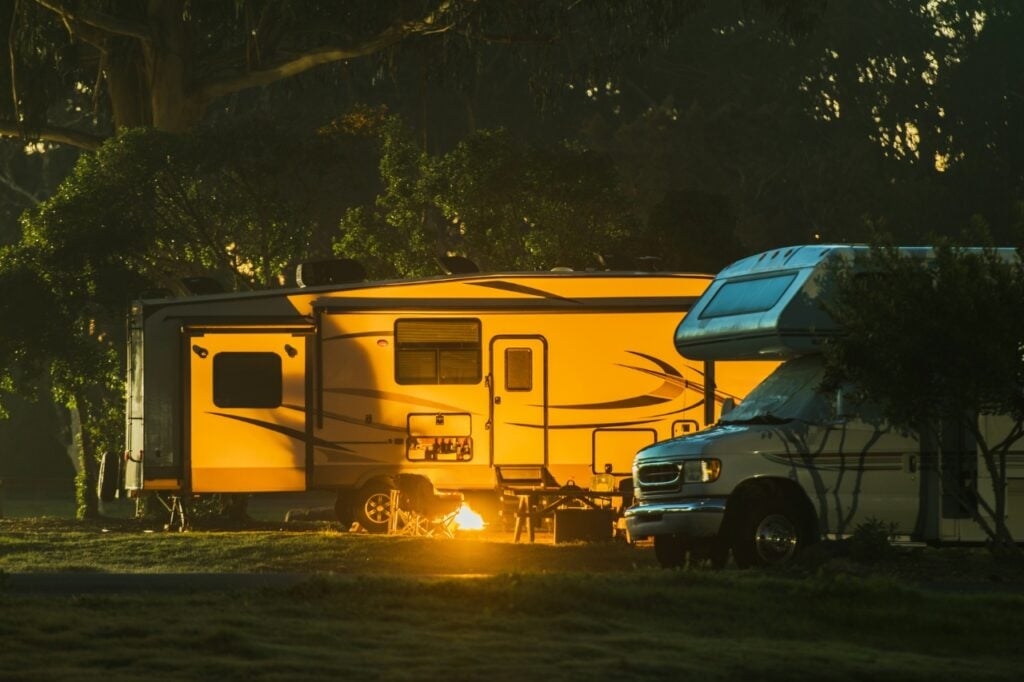
Most campgrounds have quiet hours, commonly starting around 10 p.m. That doesn’t only mean turning off the speaker.
It also means keeping conversations low, stopping noisy outdoor games and avoiding unnecessary vehicle use.
Even setting up a tent can sound surprisingly loud when the entire campground is sleeping. Tent poles clanging together at midnight will not make you popular.
Generators are usually subject to even stricter rules. Some campgrounds allow them only during specific windows in the morning and evening, while others don’t permit them at all.
Always check the generator hours before arriving. Don’t assume quiet hours are the only restriction.
2. Your Campsite Is Not a Shortcut
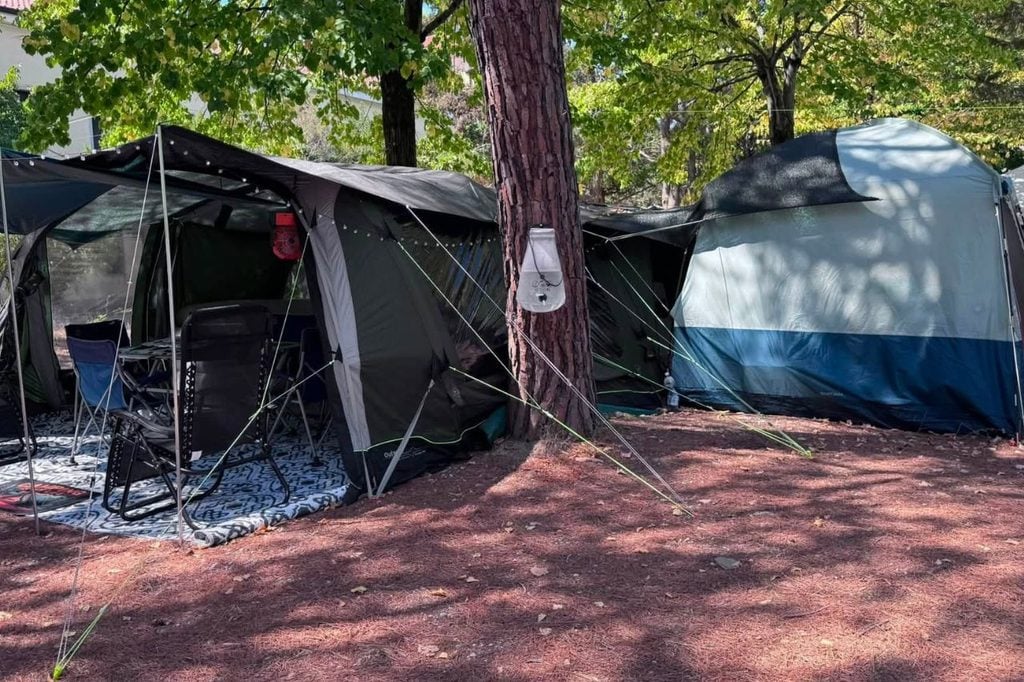
Walking through someone else’s campsite might save a few seconds, but it’s one of the easiest ways to annoy experienced campers.
A campsite is basically a temporary home. People may have children playing, dogs resting, food on the table or personal belongings outside.
Cutting between their tent and picnic table feels a lot like walking through someone’s backyard without asking.
This rule applies to children too, although they obviously may need a gentle reminder.
Stick to campground roads, marked trails and public paths.
3. Never Leave Food Out Overnight

Leaving a bag of snacks on the picnic table might not seem like a big deal. By morning, though, you could have raccoons, squirrels, mice or something much larger visiting your site.
Food should be placed inside a locked vehicle, an approved food-storage box or a bear-resistant container when required.
Coolers can attract animals too, even when they’re closed.
And it isn’t only actual food. Toothpaste, rubbish, cooking grease, pet food and strongly scented toiletries can all attract wildlife.
4. Campfires Are Never Automatically Allowed
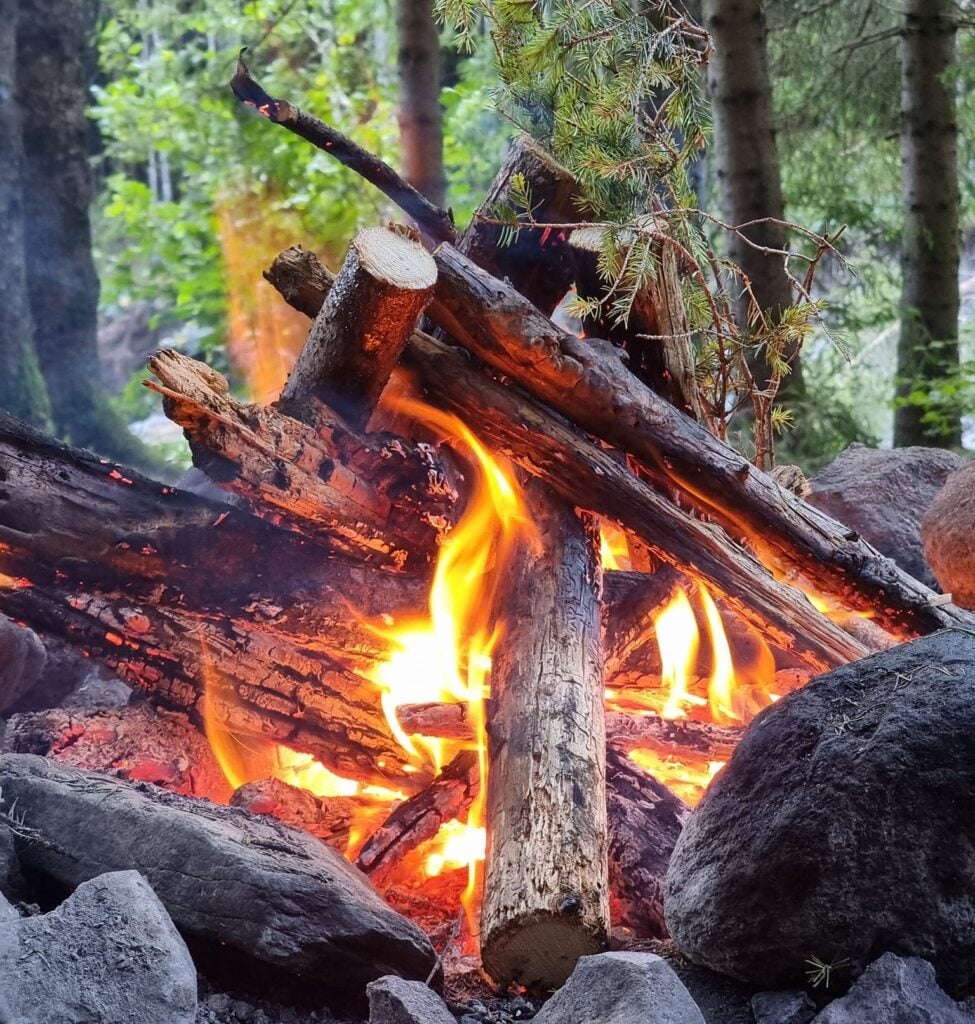
Having a fire feels like part of camping. I get it. Sitting around a lantern doesn’t have quite the same magic.
However, fire rules can change quickly because of wind, drought or local wildfire conditions.
A campground that allowed fires during your last visit may have a complete fire ban today.
When fires are permitted, they usually must stay inside the provided fire ring. Keep flames at a manageable height, have water nearby and never leave the fire unattended.
Before going to bed, drown the fire thoroughly. Stir the ashes, add more water and check for remaining heat. If the ashes are too hot to touch, the fire is not completely out.
5. You Cannot Always Bring Firewood From Home
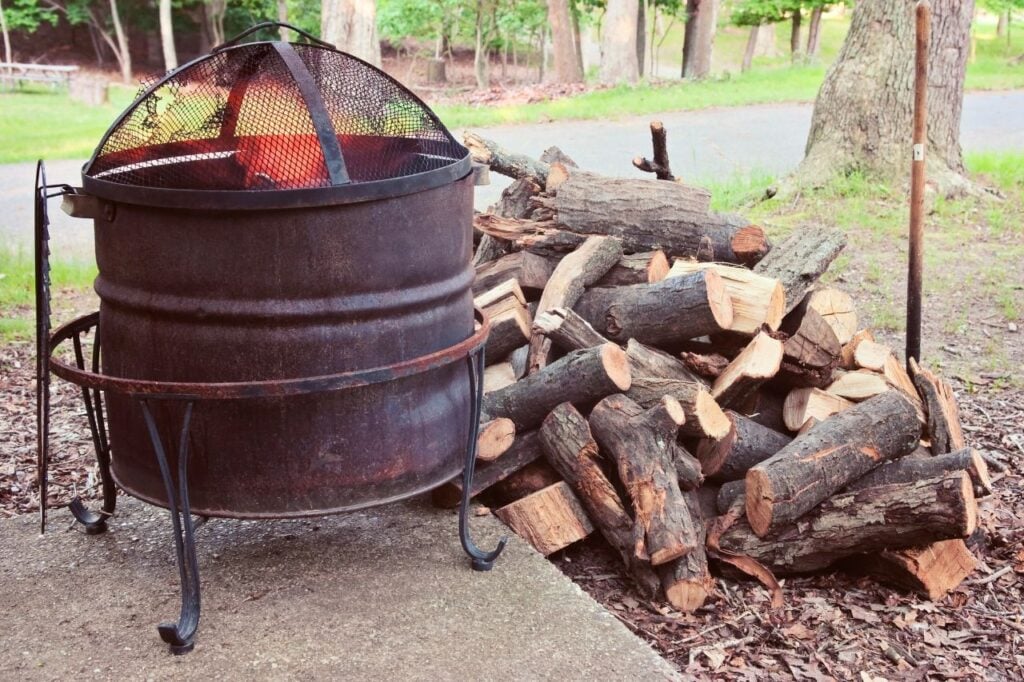
This rule surprises a lot of people.
Moving firewood between regions can spread invasive insects and tree diseases.
Because of this, many parks and campgrounds prohibit outside firewood or require it to come from an approved local source.
You may be asked to purchase wood at the campground, from a nearby vendor or within a certain distance of the park.
It can feel like an unnecessary expense, especially if you already have wood at home. Still, the rule exists for a good reason. One piece of infested firewood can introduce pests into an entirely new forest.
6. Dogs Usually Cannot Roam Freely
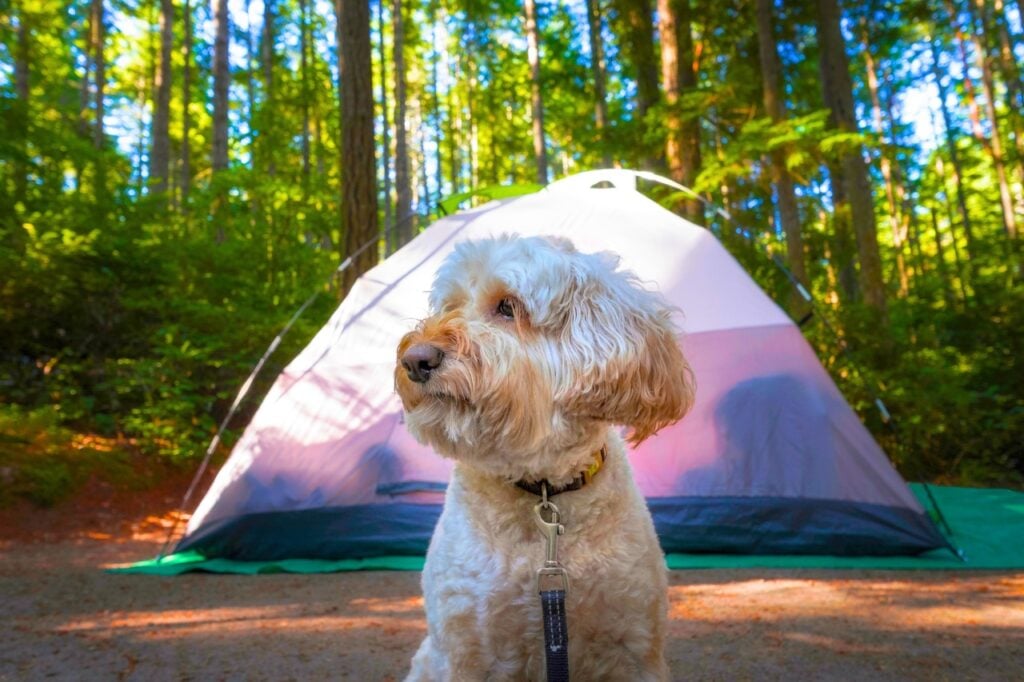
Even at very relaxed campgrounds, dogs generally need to remain on a leash. This applies even if your dog is friendly and well-trained.
Other campers may be afraid of dogs. Their pets may be reactive, and local wildlife certainly didn’t agree to meet yours.
Constant barking can also violate campground noise rules. Leaving a dog alone inside a tent or RV for hours is rarely a good solution, particularly in warm weather.
Bring a sturdy leash, waste bags and a safe way to secure your pet while you’re relaxing outside.
Always clean up after them, including around trails and less-used parts of the campground.
7. Check-In and Check-Out Times Actually Matter

Campgrounds need time to inspect sites, clean fire rings and prepare facilities for the next guest. Arriving several hours early might mean your site is still occupied.
Late arrivals can be complicated too. Some campgrounds lock entrance gates after a certain time, and others require you to follow a specific after-hours check-in process.
Check-out time matters for the same reason. Packing up a campsite nearly always takes longer than expected, especially when tents are damp or gear has somehow spread across every available surface.
8. You Must Follow the Site’s Occupancy and Equipment Limits
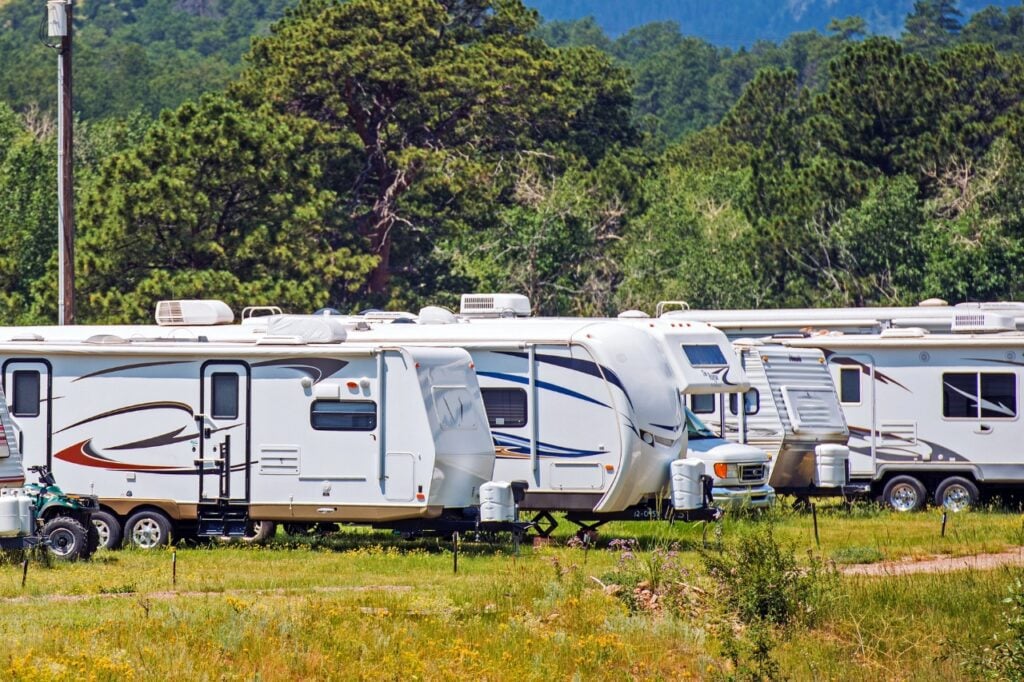
A campsite may look large enough for three tents, two cars and seven people. That doesn’t mean the campground allows it.
Many sites have strict limits on the number of guests, vehicles, tents and pets. Extra vehicles may need to stay in an overflow parking area, sometimes for an additional fee.
Campgrounds also distinguish between tent sites, RV sites and group sites. Placing equipment outside the designated camping pad can damage vegetation and compact the soil.
9. Washing Dishes at the Water Tap Is Usually Prohibited
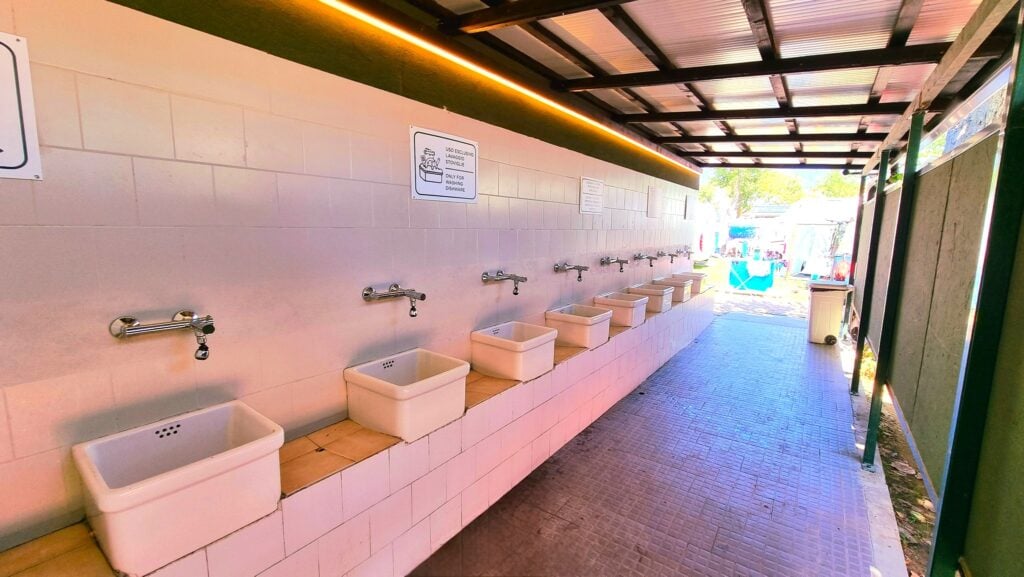
That convenient drinking-water tap is not a kitchen sink.
Washing plates directly under it can leave food scraps and soap around a shared water source.
Some people even try to wash shoes, clothing or pets there, which is a fairly quick way to upset the whole campground.
Use a wash basin at your campsite and dispose of the dirty water according to the campground’s instructions.
Some places provide a dedicated dishwashing station. Others have designated drains or require wastewater to be collected.
10. “Leave No Trace” Includes Things That Seem Natural
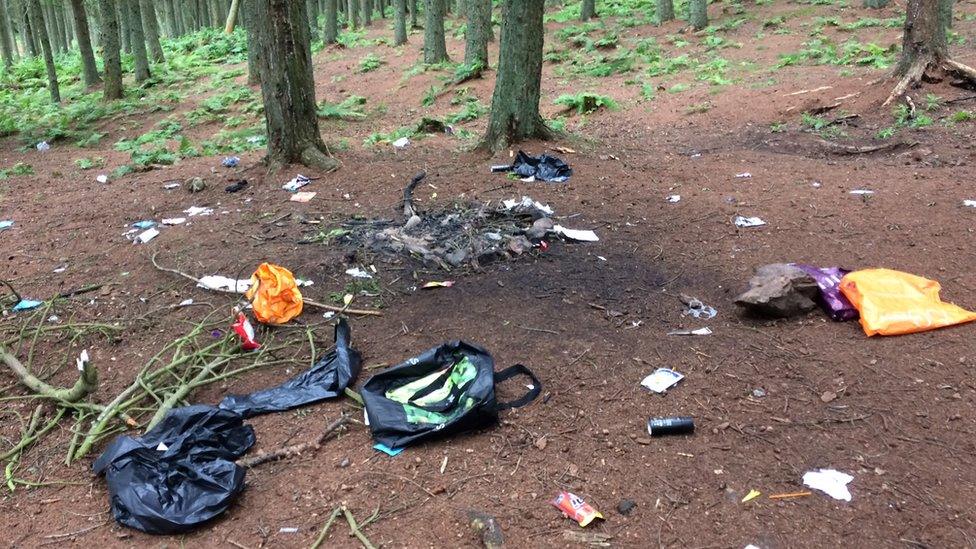
Orange peels, apple cores and sunflower seed shells are biodegradable, but that doesn’t mean they belong on the ground.
Food scraps can take much longer to break down than people expect. They attract animals and introduce things that may not naturally grow in the area.
Don’t burn rubbish in the fire ring either! Plastic, foil, cans and food packaging may release unpleasant fumes or leave sharp debris behind for the next camper.
Before leaving, walk slowly around the entire site. Look under the picnic table, around the fire ring and near the place where your tent stood.
Small items like bottle caps, twist ties, and pieces of foil are easy to miss.