
Camping has a funny way of teaching the same lesson over and over until it finally sticks.
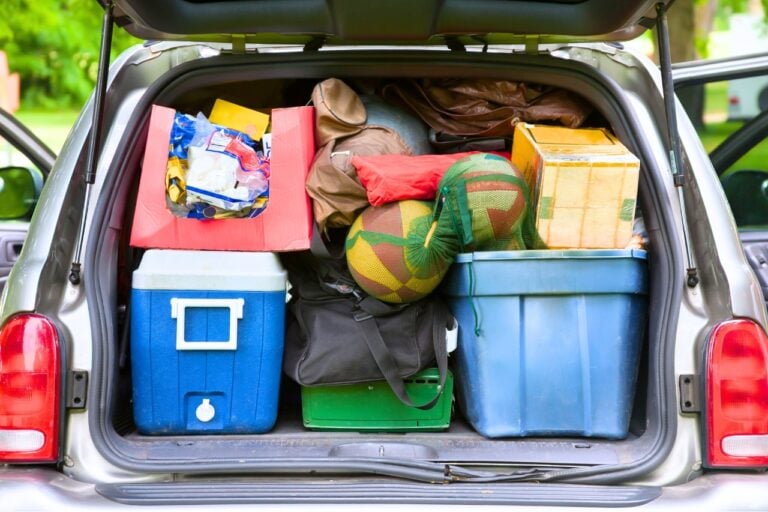
A lot of people start out packing for a weekend in the woods like they’re preparing for some kind of survival documentary.
Extra gear, backup gear for the backup gear, clothes they’ll never wear, gadgets that seem useful at home but end up sitting untouched in a tote bin the whole trip.
Then, after enough campground check-ins, rainy nights, smoky campfires, and way too much time digging through overstuffed bags, most campers start trimming the fat.
That’s when camping gets easier, honestly. Less stuff to organize. Less stuff to forget. And way less stuff to regret bringing.
Here are the things experienced campers usually stop packing after they’ve done this a while.
1. Too many clothes
This is probably one of the first things seasoned campers cut back on.
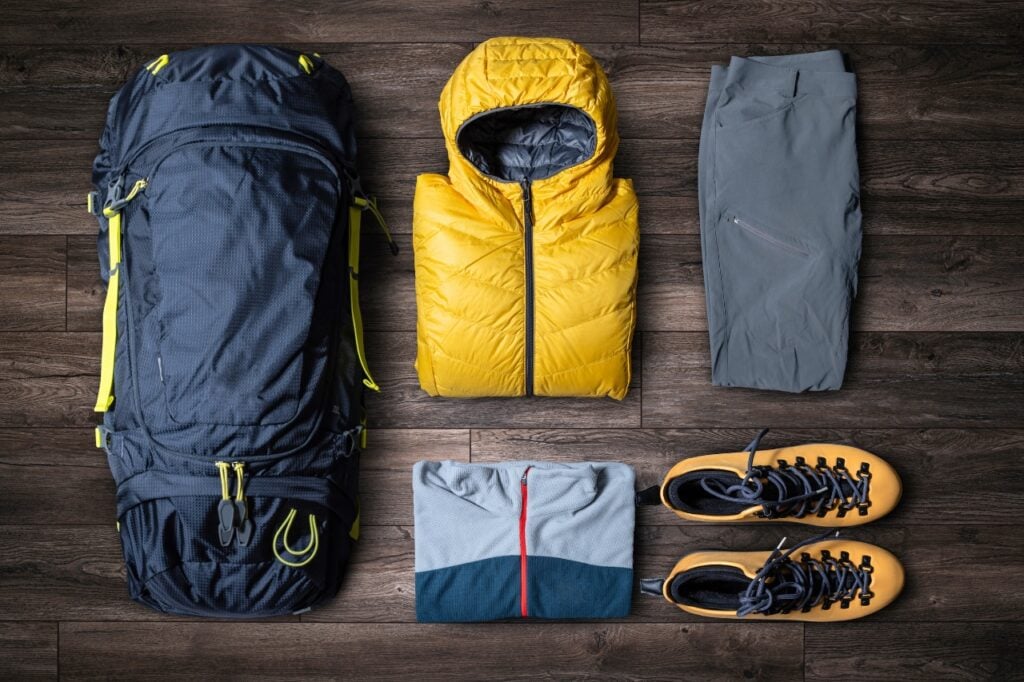
New campers tend to pack a full outfit for every possible situation.
One for hiking, one for relaxing, one for dinner, one extra just in case, another extra because maybe it rains, and then somehow three jackets end up in the car too.
But experienced campers know something important: nobody cares what anyone is wearing at a campsite.
As long as clothes are comfortable, weather-appropriate, and not completely filthy, that’s usually enough.
A few solid layers, extra socks, and something warm for the evening goes a lot further than an overpacked duffel stuffed with options no one is going to use.
2. Bulky cooking gear for complicated meals
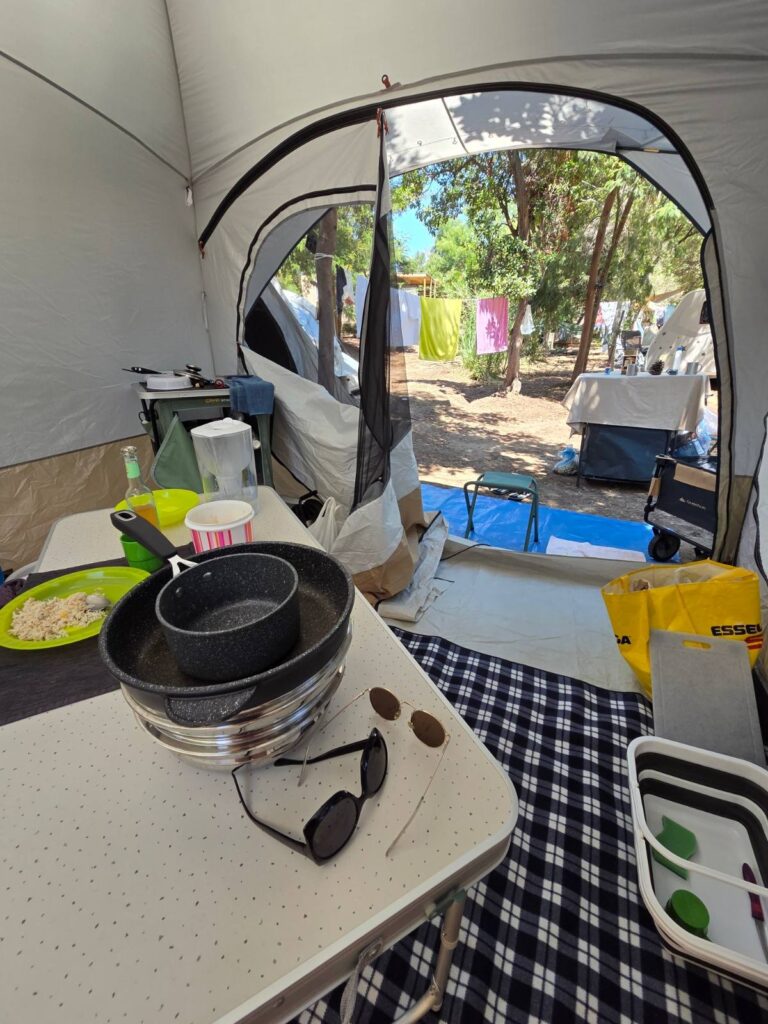
At some point, a lot of campers realize they are not going to make a restaurant-style meal over the fire twice a day.
It sounds fun in theory. It kind of is fun for one meal, maybe. But after that, all that cookware starts feeling like a chore.
Experienced campers usually lean toward simpler. One pan, one pot, a few basic utensils, and food that doesn’t require a full outdoor kitchen setup.
Less cleanup, less mess, and experienced campers know that simple camp meals just hit better anyway.
3. Huge lanterns that take up half the bin
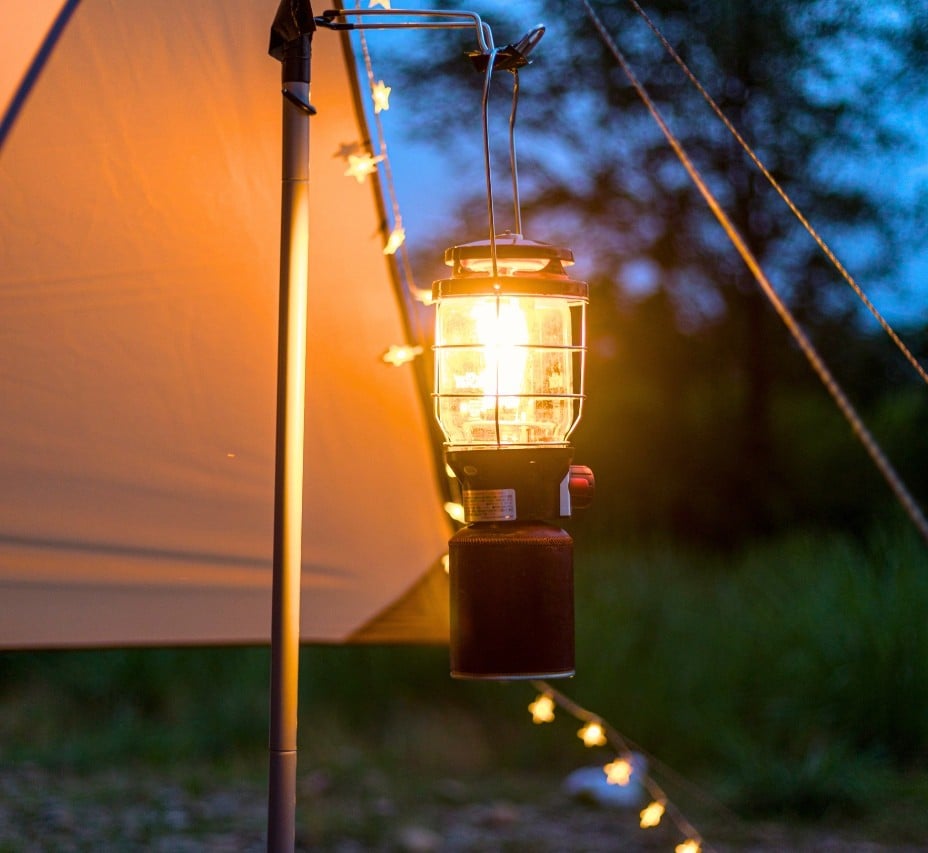
Big lanterns used to feel essential. And some people still like them, fair enough.
But many experienced campers move toward smaller, more practical lighting instead.
Headlamps, compact rechargeable lanterns, or a couple of small area lights usually do the job without eating up a ton of space.
The old oversized lantern that weighs a lot, needs giant batteries, and blinds everyone at the picnic table? Not always worth it anymore.
4. Fancy campsite decorations
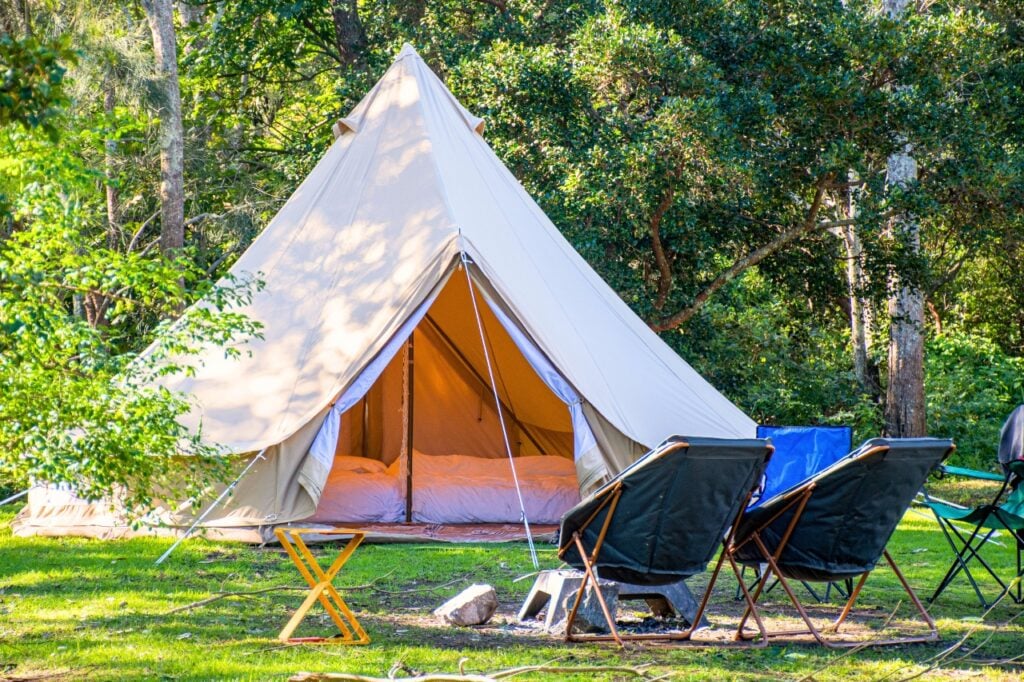
There’s nothing wrong with making a campsite feel cozy with a little personal touch here and there.
But experienced campers often stop packing all the extra decorative stuff that doesn’t really improve the trip.
Big signs, themed accessories, piles of cute-but-useless items, seasonal decorations, and all the other things that just have to be packed, unpacked, cleaned, and packed again.
After a while, many campers start preferring a setup that feels comfortable instead of cluttered.
Because at the end of the day, it’s still a campsite, not a showroom.
5. Single-purpose gadgets
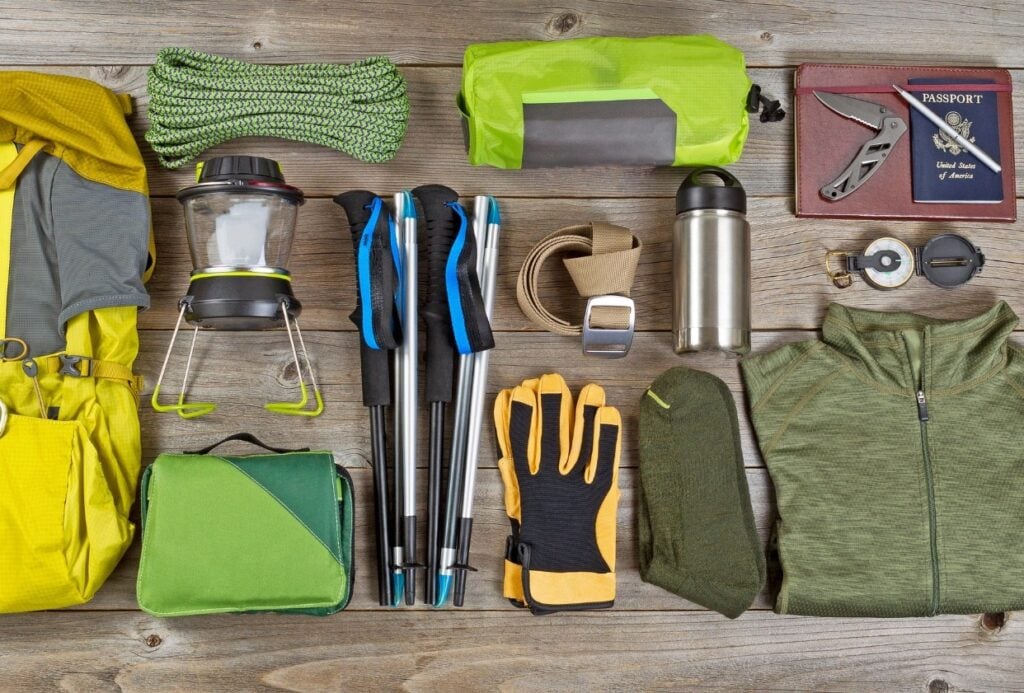
Camp stores and outdoor shops are full of clever little gadgets that seem like they will totally change camping forever.
Experienced campers get a little more ruthless about that stuff.
If something only has one very specific use, takes up space, and doesn’t save much time, it usually gets left behind.
Multi-use gear wins almost every time. The less random junk floating around in the camping bin, the better.
6. Full-size bottles of everything
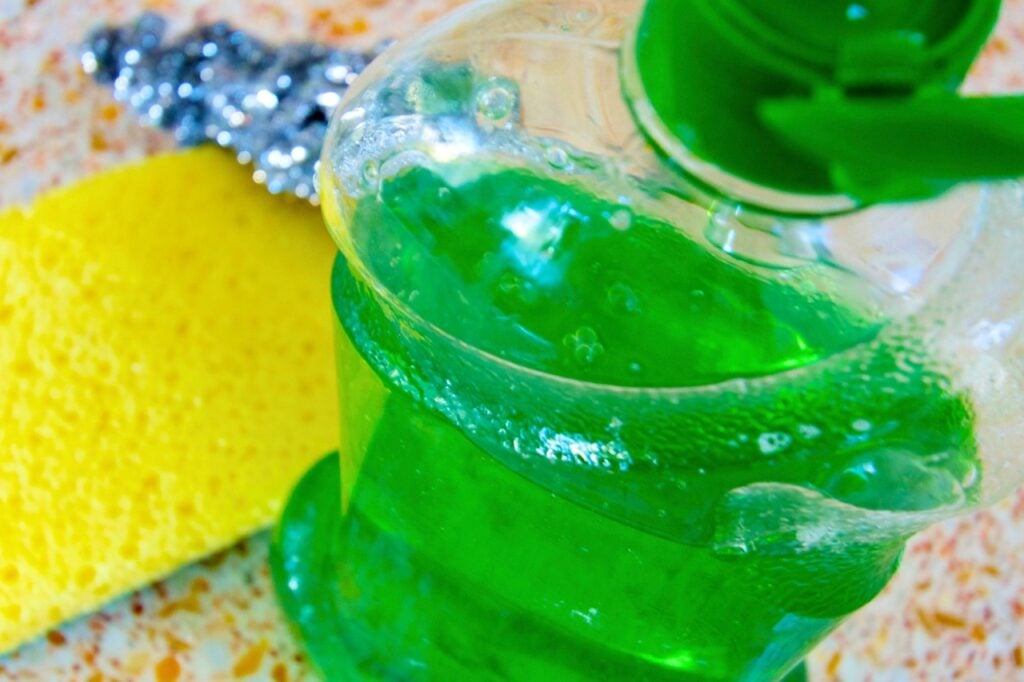
This is another classic beginner move.
Packing the regular shampoo bottle, the big dish soap, the giant sunscreen, the family-size bug spray.
It adds weight fast, and somehow always ends with something leaking.
Campers who’ve been doing this for years usually downsize almost everything.
Small containers, travel-size basics, only what’s actually needed for the length of the trip.
It sounds minor, but it makes a difference.
7. Brand-new gear that hasn’t been tested
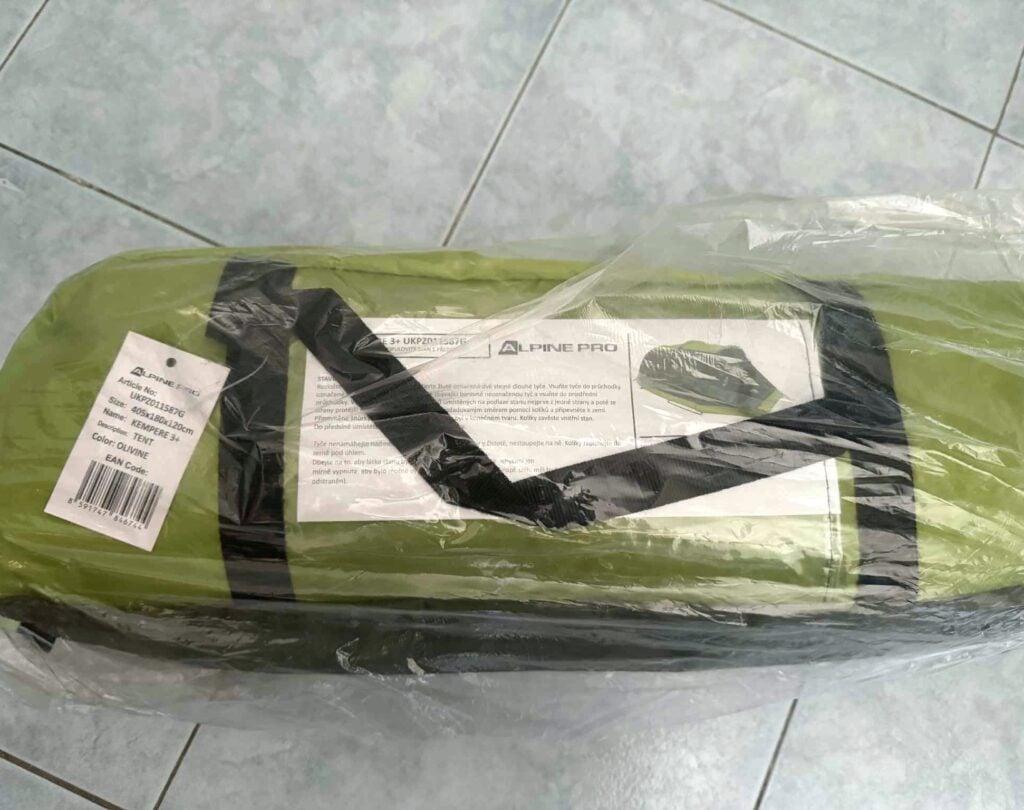
Experienced campers get cautious about this one for good reason.
A brand-new tent sounds exciting until setup turns into a sweaty guessing game at dusk.
That’s why seasoned campers usually stop bringing untested gear straight to the campsite unless they absolutely have to.
If something is new, they want to know it works before depending on it.
8. Too much food
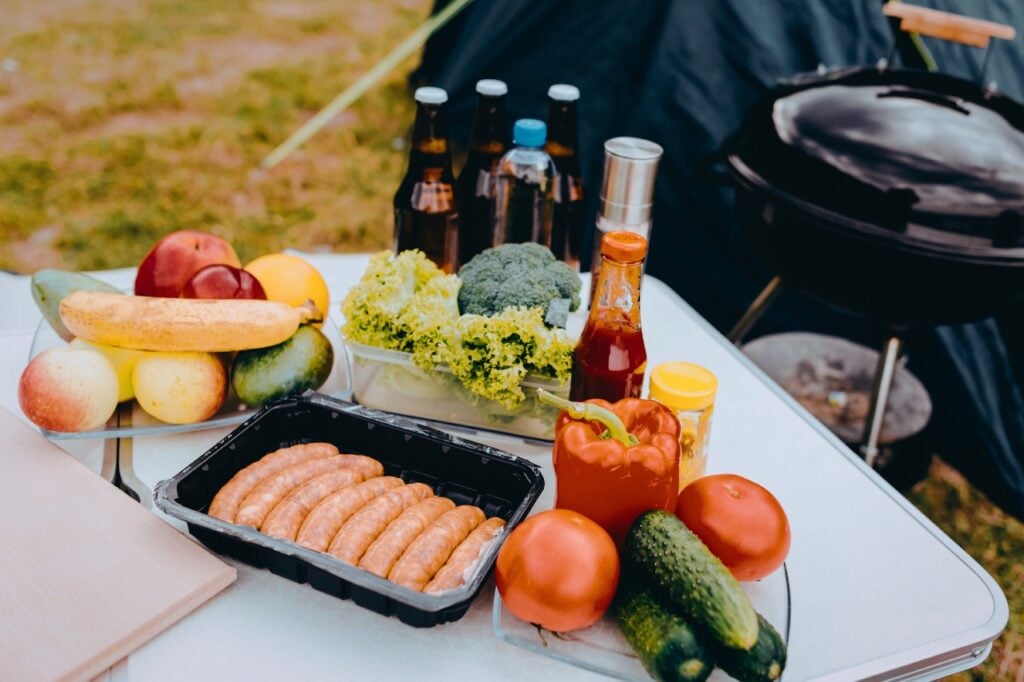
Some people pack like they’re feeding a family reunion, then come home with half a cooler untouched and enough snacks for another weekend.
Experienced campers still bring good food, obviously, but they tend to plan more realistically.
A few easy meals, some reliable snacks, coffee, water, and maybe one fun treat. That’s usually enough.
Overpacking food just means more cooler space, more mess, more cleanup, and more stuff to haul back home.
9. Extra chairs, extra tables, extra “just in case” furniture

New campers love a backup plan. Sometimes too much.
So the car ends up loaded with folding chairs nobody sits in, side tables no one uses, and maybe even an extra bench because it seemed smart at the time.
Experienced campers usually know what their group actually uses and what stays untouched all weekend.
Camping furniture is one of those categories where the extras add up fast. It’s bulky and somehow always the hardest thing to fit back into the vehicle when it’s time to leave.
If it doesn’t get used on most trips, it usually stops making the packing list.
10. Stuff packed out of fear instead of experience
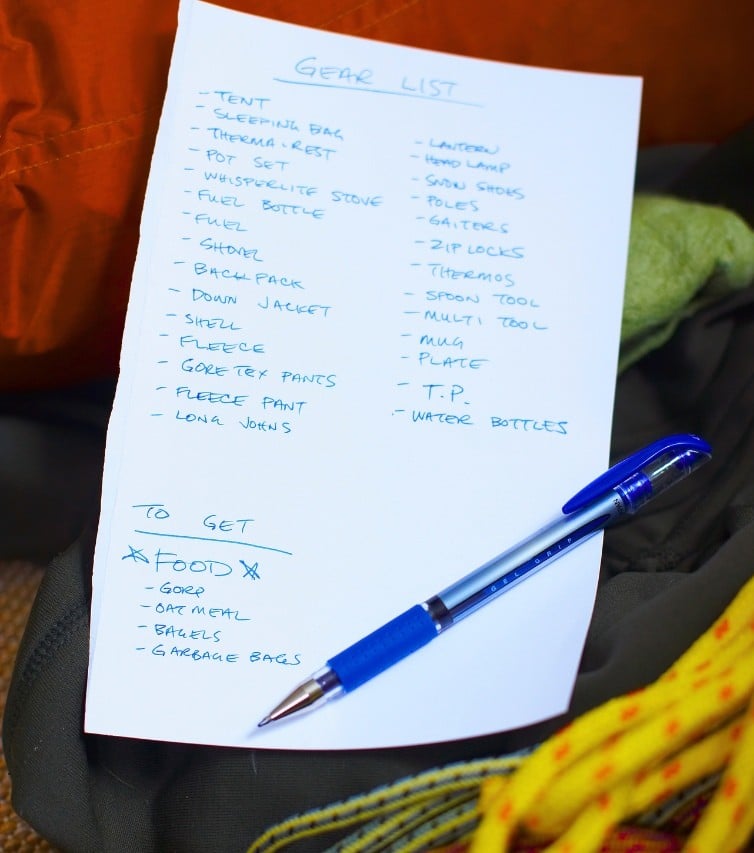
A lot of unnecessary camping gear comes from imagining every possible problem instead of packing for the trip that’s actually happening.
What if it gets freezing? What if it’s super hot? What if there are bugs everywhere?
Experienced campers stop packing from panic and start packing from pattern.
They know what they tend to use. They know what the weather looks like. They know the campground.
That kind of experience usually leads to lighter packing and better trips.
The longer people camp, the less they seem to need. Not because they care less. Usually the opposite.
They’ve just learned that a good camping trip rarely depends on bringing more stuff. It depends on bringing the right stuff.
Everything else is just one more thing to drag out of the car and wonder why it came along in the first place.