
Camping is supposed to be one of the more affordable ways to get away for a few days. At least, that is what we all tell ourselves.
Then you reserve a site, add the booking fee, buy a bundle of firewood, replace one piece of “camping” gear, and somehow your weekend in the woods costs nearly as much as a hotel stay.
But after enough trips, you start noticing which expenses genuinely improve the experience and which ones are mostly clever packaging.
Some of these charges look small at first. That is the trick. Ten dollars here and fifteen there does not sound terrible until the final total appears.
Here are 12 camping rip-offs I would think twice about paying for in 2026.
1. A “Premium” Site That Is Barely Different From a Standard One
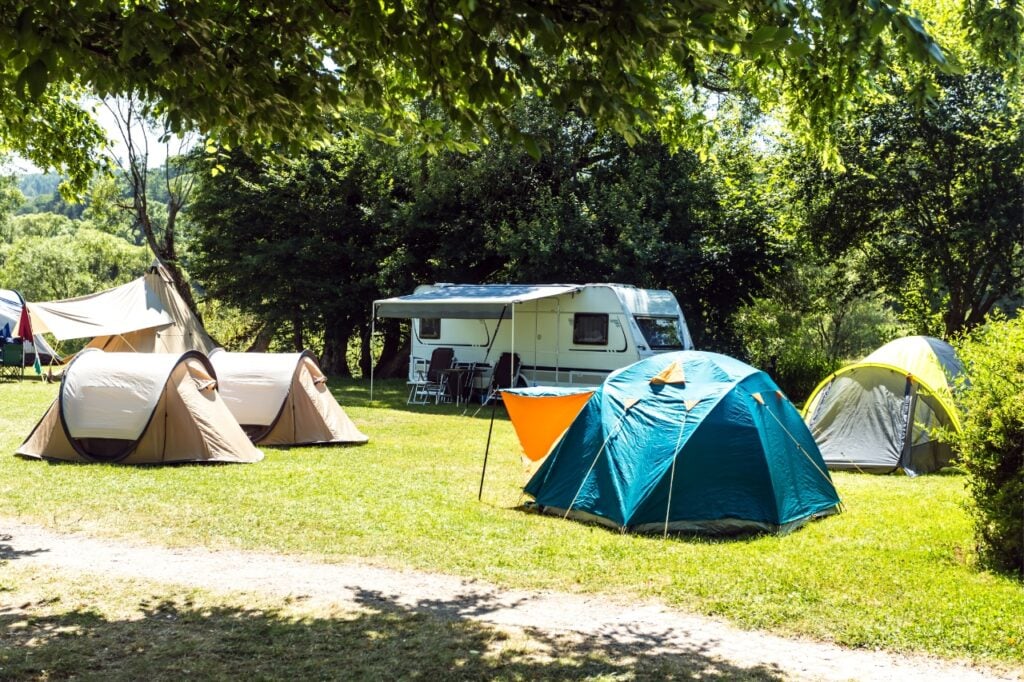
Campgrounds love the word premium. It can mean a larger concrete pad, a better view, a patio, extra shade, or a site closer to the water. It can also mean almost nothing.
I once paid more for a premium site because it was described as being near the lake.
Technically, it was. There were also two roads and a thick row of bushes between the site and the lake. No view at all unless you stood on the picnic table, which I do not recommend.
Before paying the upgrade, look at the campground map and recent guest photos. Ask exactly what makes the site premium. If the answer is vague, keep the cheaper site.
A few extra feet of gravel or a decorative wooden chair is not worth another $20 or $30 per night.
2. Tiny Bundles of Campground Firewood
There are times when buying firewood at the campground is the right thing to do.
Many parks prohibit outside wood because insects and tree diseases can travel with it, and those rules matter.
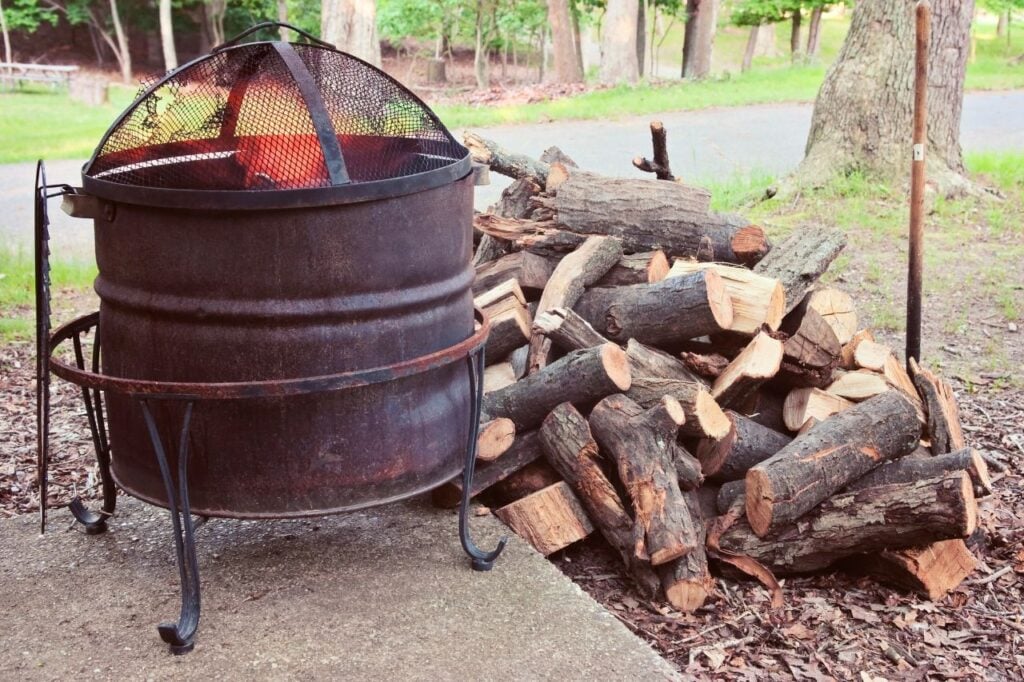
The rip-off is not locally sourced firewood itself. It is the tiny plastic-wrapped bundle that contains five skinny pieces and costs enough to make you briefly consider burning your camping chair instead.
Check the campground rules before arriving. If outside wood is allowed, buy approved local wood from a nearby grocery store, gas station, farm stand, or official vendor.
If the park requires you to buy on-site, ask whether it sells larger bundles or offers a better price for several at once.
3. “Camping” Versions of Ordinary Household Items
Put the word camping on a basic utensil, and the price magically doubles.
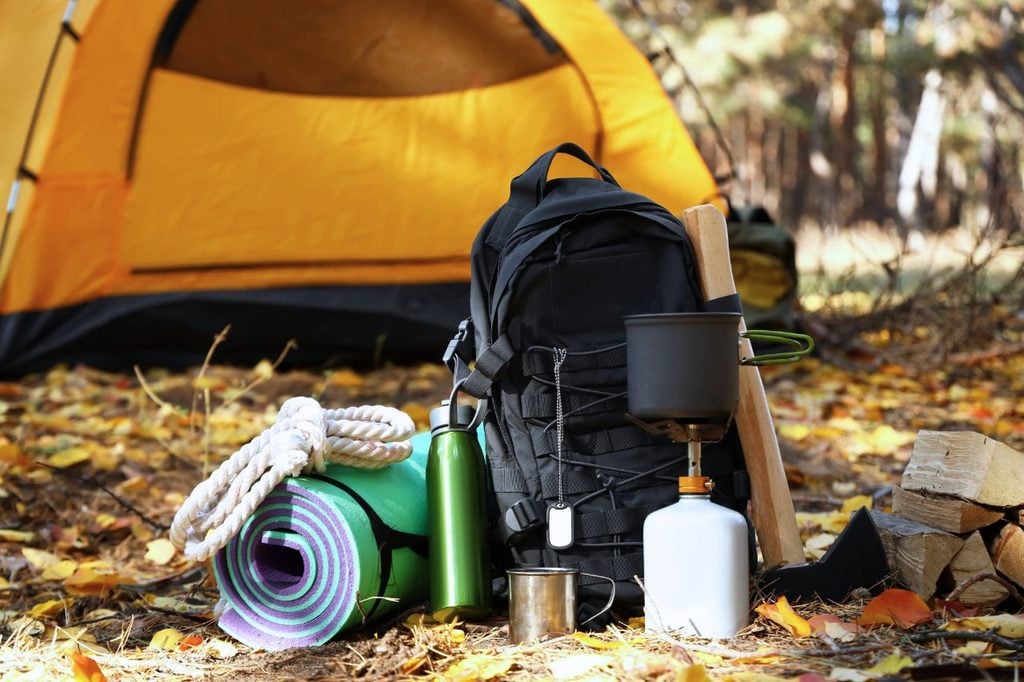
You do not need special camping scissors, camping coffee cups, camping dish towels, camping storage tubs, or a tiny camping broom that works worse than the one already sitting in your garage.
There are exceptions. Gear designed to be lightweight and compact is useful for backpacking, and durable outdoor cookware makes sense over an open flame.
But campers don’t need to treat every household object like it must be replaced by an expensive olive-green version.
Walk through your kitchen and utility closet before shopping. An old saucepan, a plastic washing-up bowl, reusable containers, a normal can opener, and a few mismatched forks work just fine.
4. Online Reservation Fees for Every Small Change
A reasonable booking fee is annoying but understandable.
What gets me is when a reservation system adds a fee when you book, another when you change the dates, and sometimes yet another when you cancel.
You can end up paying the campground without ever putting a tent peg in the ground.
Read the complete cancellation and modification policy before entering your card number.
Look beyond the nightly rate because the cheap-looking campground may become the expensive option at checkout.
When possible, book directly with the campground rather than through a third-party directory.
And consider that if your dates are uncertain, paying a slightly higher flexible rate can be cheaper than a strict reservation.
5. Bottled Water Sold One Small Bottle at a Time
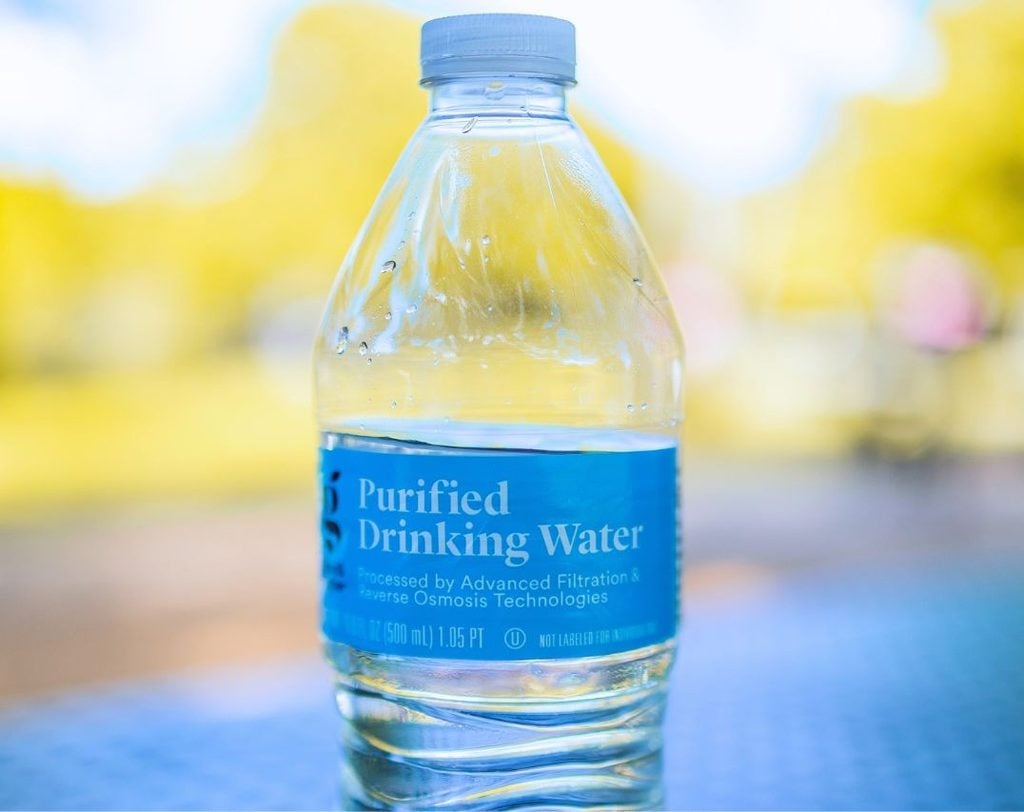
Campground stores are convenient, and I am glad they exist when I forget ice or run out of propane.
But individual bottles of water can be wildly expensive, especially in remote or tourist-heavy areas.
Bring a refillable water container from home. If the campground has potable water, fill up after you arrive.
For places where the water tastes odd, a basic filter pitcher or filtered bottle can help. Always verify that a spigot is marked as safe for drinking. Not every faucet around a campground is potable.
6. An Oversized RV Resort When You Will Use None of the Amenities

Pools, pickleball courts, organized activities, fitness rooms, dog parks, and live entertainment can make an RV resort great for families or long stays.
But those amenities are built into the nightly price whether you use them or not.
If you plan to leave early each morning and spend all day hiking, sightseeing, or visiting a national park, a full-service resort may be a waste.
You are basically paying for a water slide you will only see through the windshield.
Compare it with a simpler campground nearby. A safe, level site with the hookups you actually need may save a surprising amount over four or five nights.
7. Full Hookups for a One-Night Stop
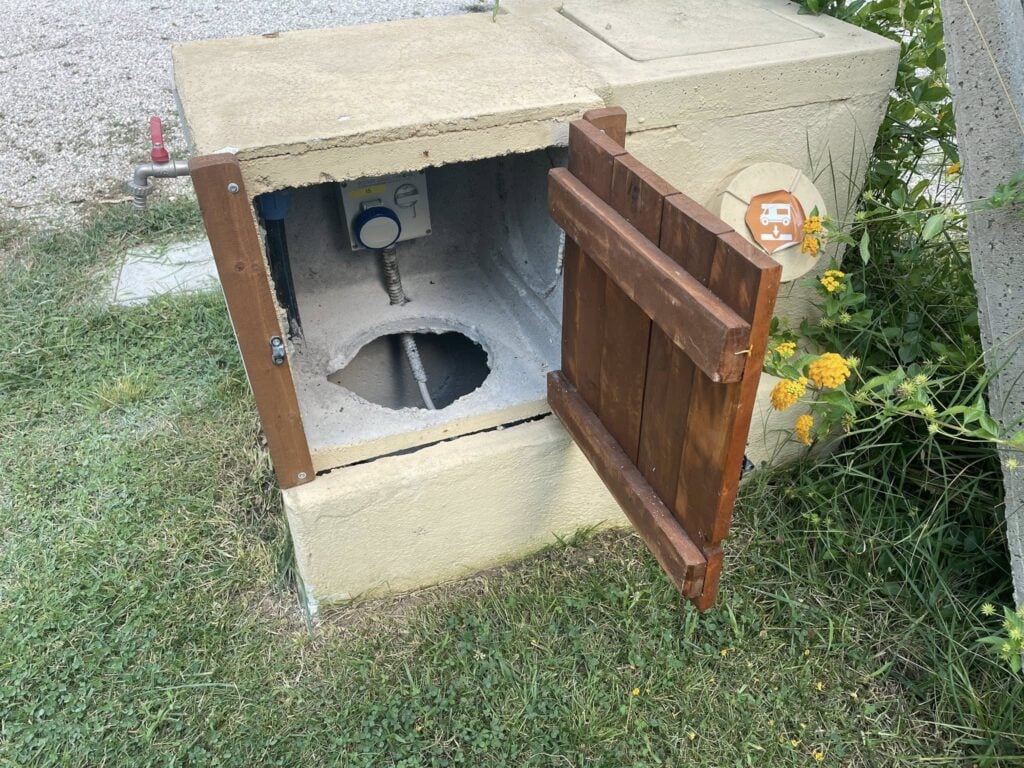
Full hookups are wonderful on a longer stay. For a quick overnight stop, however, paying extra for water, sewer, and electricity can be unnecessary.
If your fresh-water tank is already filled, your batteries are charged, and your waste tanks have space, you may only need a basic site.
Some travelers automatically select the highest hookup level because it feels safer, then arrive late, leave early, and never connect half of it.
Think about what you will realistically use during those twelve hours. Maybe electricity is worth it during very hot weather.
Maybe you need to dump before the next leg. Fine. But don’t pay for all three services out of habit.
8. Preassembled S’mores and “Campfire Experience” Kits
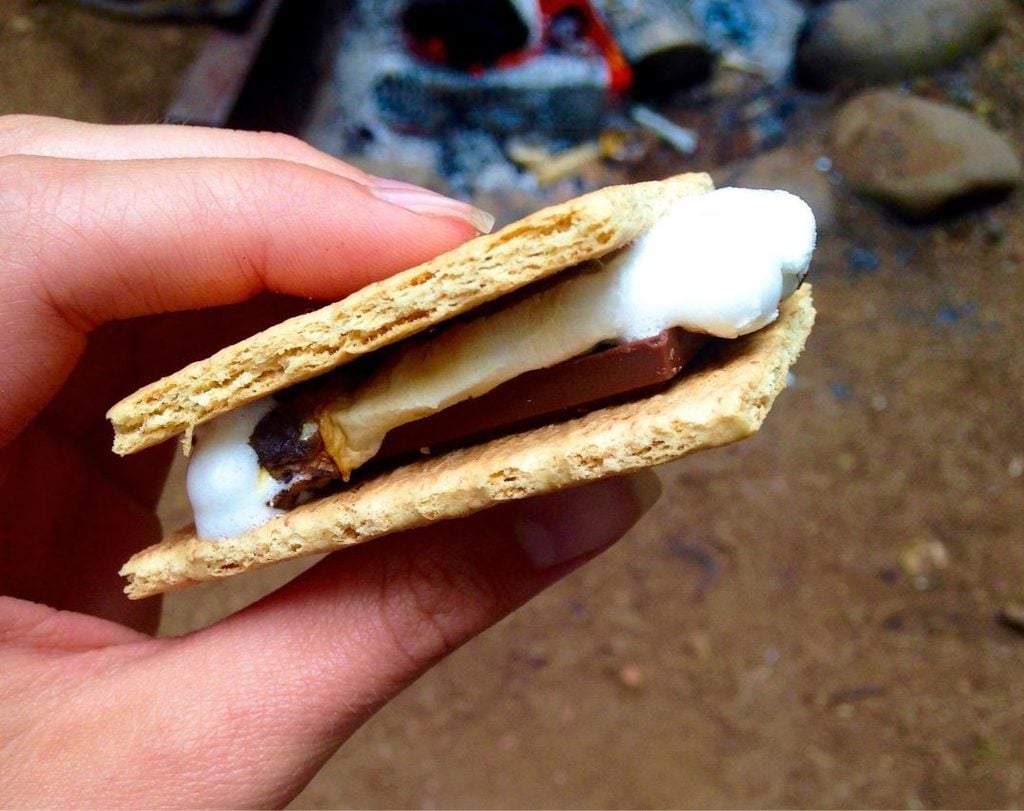
I have seen beautifully packaged s’mores kits with marshmallows, chocolate, crackers, skewers, and a rustic-looking box. They are cute.
They’re also often several times the price of buying the ingredients separately.
Unless you are giving the kit as a gift, walk through the grocery aisle and build your own.
You can choose chocolate people actually like, pack enough marshmallows for the group, and bring reusable roasting sticks.
9. Disposable Camping Gadgets
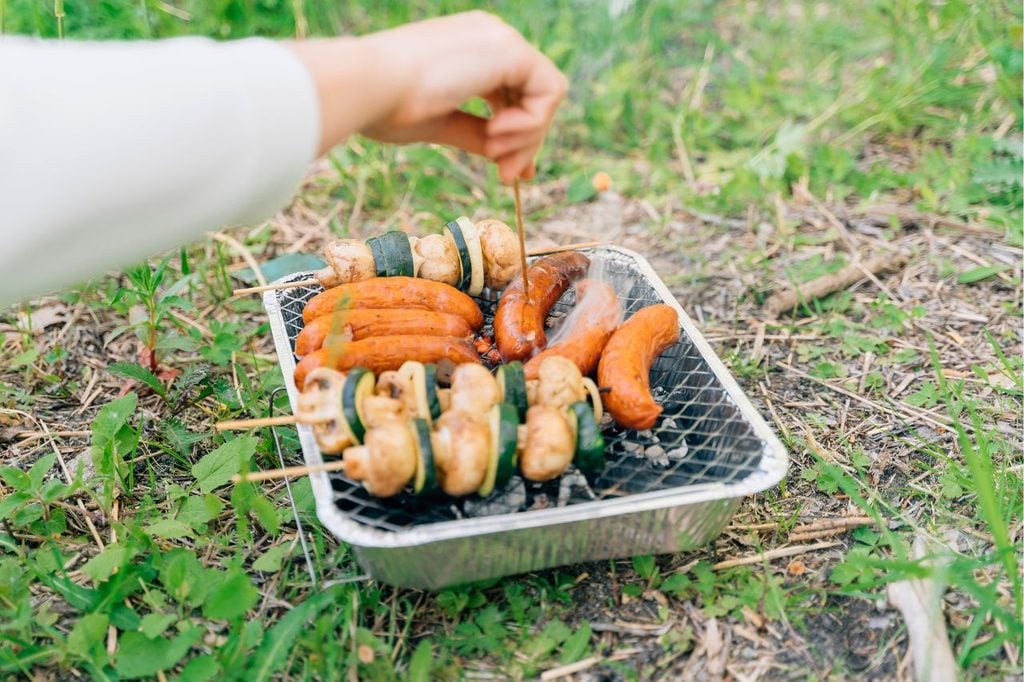
Single-use grills, flimsy emergency ponchos, disposable table covers, bargain-bin lanterns, and cheap plastic cookware look convenient when you are packing. Most become trash before the trip is over.
The worst cheap camping gear is expensive in a sneaky way. You buy it once, it breaks, then you buy the proper version later. Now you have paid twice.
Start with a few reliable basics rather than a cart full of gadgets. It’s the same reason experienced campers stop packing these unnecessary items after a few trips.
A decent headlamp, reusable rain jacket, sturdy water jug, basic stove, and repairable chair will handle most trips.
10. “Guaranteed” Wi-Fi Upgrades at the Campground
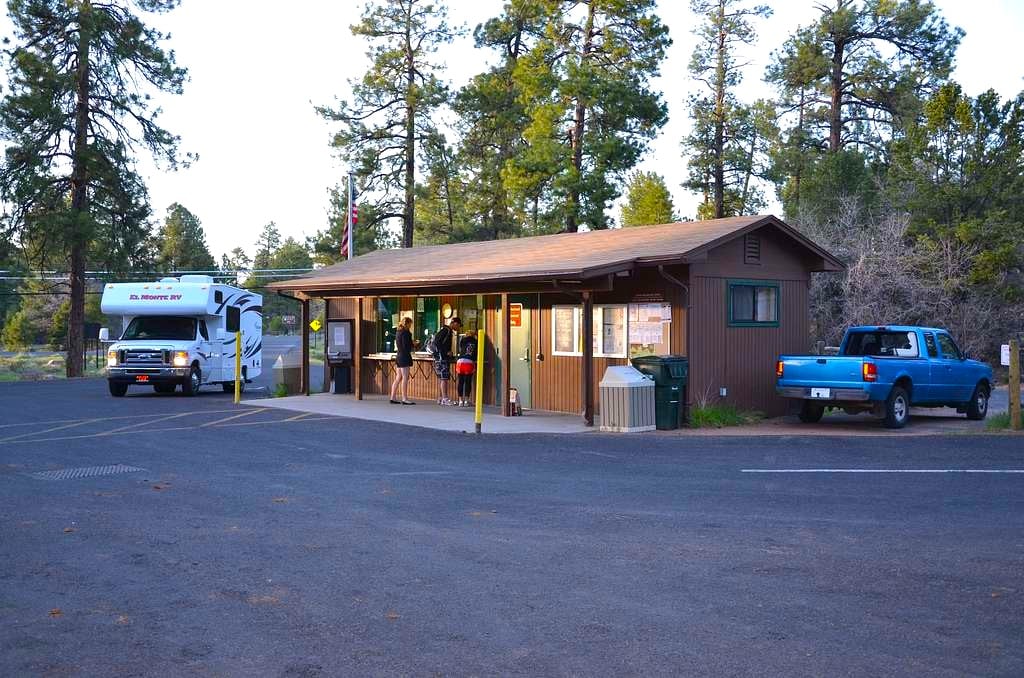
Campground Wi-Fi has improved in many places, but paying extra for a premium connection can still be risky.
The signal might be strong near the office and almost nonexistent at your site. It may also slow down as soon as everyone returns in the evening.
Before buying a Wi-Fi package, ask whether it reaches your specific loop and whether refunds are available if it doesn’t work.
Recent reviews can be useful here, especially when several guests mention the same dead zones. With more bookings, permits, and campground services going digital, this is also one of the major camping changes to watch in 2026.
11. RV Toilet Chemicals and Cleaners With Miracle Claims
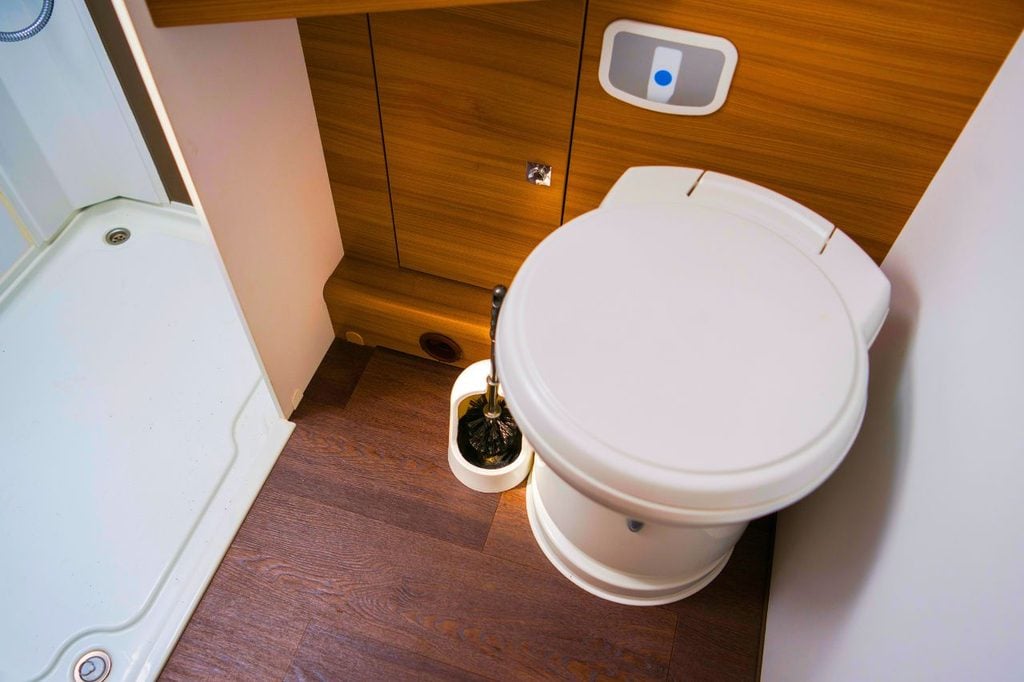
The RV aisle is full of products promising to eliminate every odor, clean every sensor, lubricate every seal, and possibly restore peace to the entire campground.
Some tank treatments are useful, especially when used correctly. But the most expensive product is not automatically the best, and using more chemical than directed can be a waste.
Certain harsh household cleaners may also damage seals or cause problems in the waste system, so improvising is not always a good idea.
Follow the RV or toilet manufacturer’s recommendations. Use plenty of water, empty tanks properly, and choose a compatible treatment with clear instructions.
Waiting too long to empty the tanks is also one of the things you should never do in an RV. Don’t forget to check them!
12. Paying Top-Dollar for a Campsite Without Checking the Exact Location
This might be the biggest one.
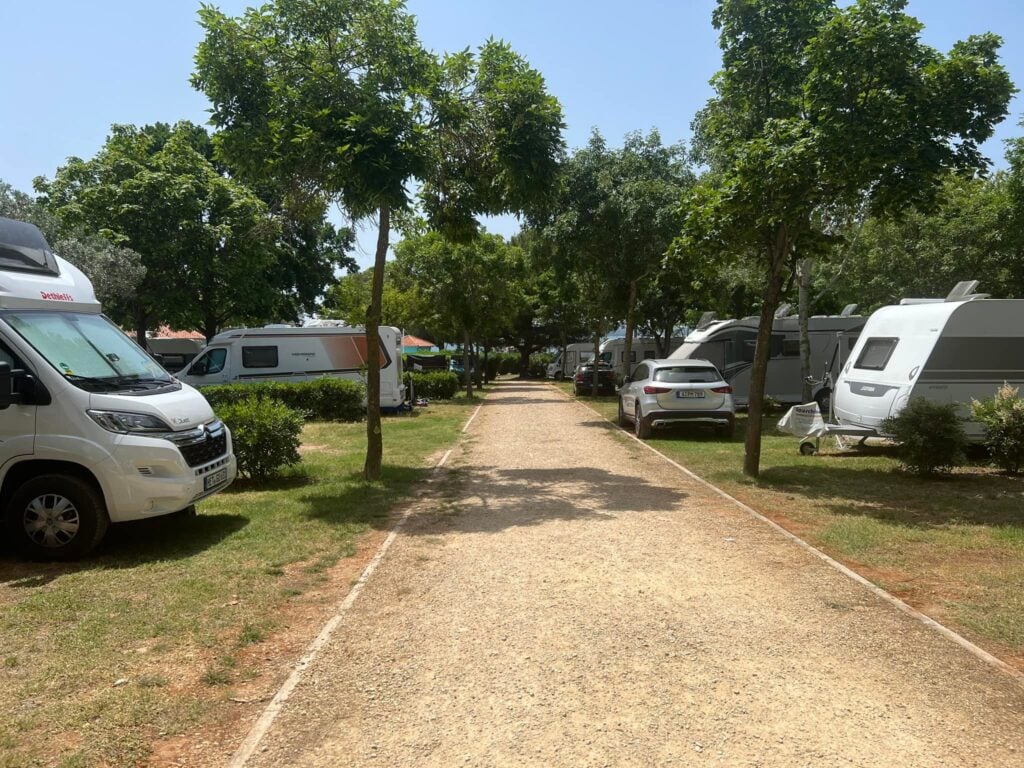
A campground can have beautiful photos, excellent reviews, and a high nightly rate while your assigned site sits beside the dumpster, entrance gate, dog area, or bathroom door.
The campground itself may be lovely. Your little corner of it, less so.
Never assume a higher rate guarantees a peaceful location. Study the map before booking.
Look for roads, playgrounds, dump stations, event areas, bathhouses, and sites squeezed close together. Satellite images and guest photos can reveal details that polished listing photos leave out.
These warning signs show up again and again at some of the worst campgrounds for RVers and campers.
If the booking system lets you choose a specific site, use it. If not, call and politely mention what matters most to you, whether that is shade, quiet, easy access, a level pad, or space for a slide-out.
I would rather stay on a basic site in a good spot than a deluxe site beside headlights, doors slamming, or the dump station.
The Camping Expenses That Are Usually Worth It
Not every add-on is a rip-off. I will gladly pay more for a well-maintained campground, clean bathrooms, safe electrical hookups, good site spacing, and staff who actually care about the property.
A convenient location can also justify a higher rate if it saves a long daily drive. The same is true for shade during extreme heat, a larger site for a big rig, or dependable hookups on an extended stay.
The goal is not to choose the cheapest option every time.
The better question is simple: Will I actually use what I am paying for?
If the answer is no, skip it. Put that money toward another night away or a good meal near the campground. You may also be surprised by the free things you can get at campgrounds just by asking.
Don’t forget to check the full list and ask for them!