
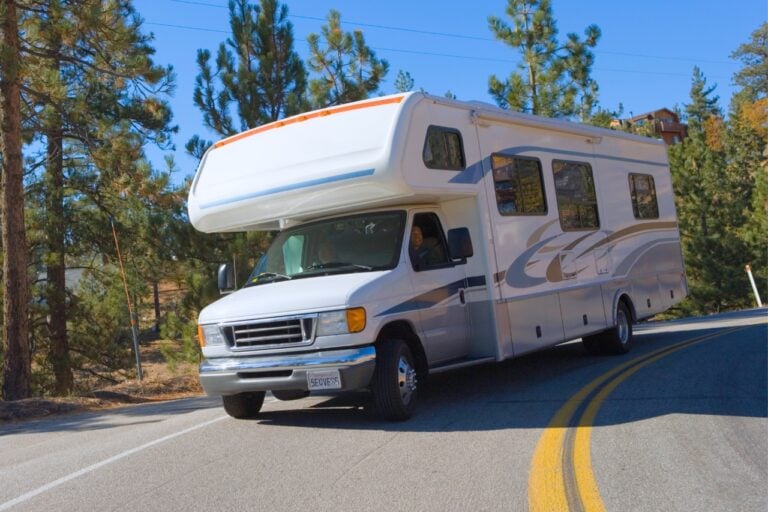
Buying an RV feels exciting right away. It’s easy to picture weekend escapes or longer road trips. That part is fun.
The expensive part comes later if the wrong RV gets picked for the wrong reasons.
A lot of buyers focus on the pretty finishes, the big fridge, or the fancy lighting, and totally miss the things that actually matter once the trips begin.
That is where mistakes happen. Some are small. Some are painfully expensive.
Here are 10 mistakes to avoid before purchasing an RV.
1. Buying the RV before deciding how it will actually be used
This is one of the biggest mistakes, maybe the biggest.
Some people shop for an RV like they are shopping for a dream, not for real life.
Weekend camping is not the same as full-time living. Long road trips are not the same as parking at one seasonal campground all summer.
A couple traveling alone will need something very different from a family with kids, pets, and gear everywhere.
Before buying anything, it helps to answer a few practical questions:
- How often will it be used
- Will it be for short weekend trips or longer travel
- Will it stay mostly in campgrounds or go off grid too
- How many people will actually sleep in it
- Will it be moved often or parked for long periods
A huge fifth wheel can look amazing online, but it may be a terrible fit for someone who just wants quick getaways a few times a year.
On the other hand, a tiny camper might feel cute at first, but it can become very inconvenient for a family with children.
2. Choosing the wrong size
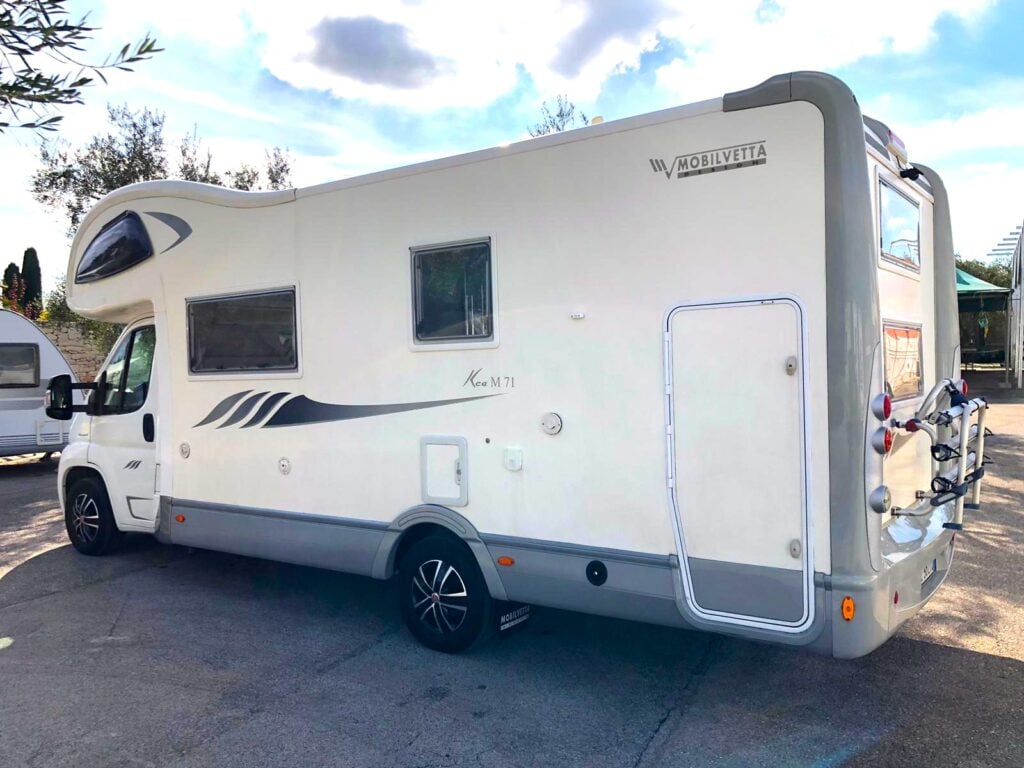
Related to the previous point, it must be said that bigger doesn’t always mean better. Smaller does not always mean easier.
A lot of people buy a bigger RV than they really need, only to realize too late that driving it is stressful and parking it is even more frustrating.
Others go too small and end up feeling cramped almost immediately.
Remember that size affects everything: how easy it is to tow or drive, where it can fit, how comfortable it feels inside, but also fuel costs and campground options.
3. Ignoring towing capacity and vehicle limits
A towable RV is not just about whether the truck or SUV can technically pull it.
Payload, hitch weight, cargo, passengers, water, propane, and all the little extras matter too.
That is where many buyers get caught. They see the dry weight and think they are fine. Usually, it’s not that simple.
An RV loaded for a real trip weighs more than it does on paper. A lot more sometimes.
This is not the fun part of RV shopping, sure. But it matters because buying a trailer first and worrying about the tow vehicle later is a classic mistake.
4. Falling for the layout without testing daily comfort
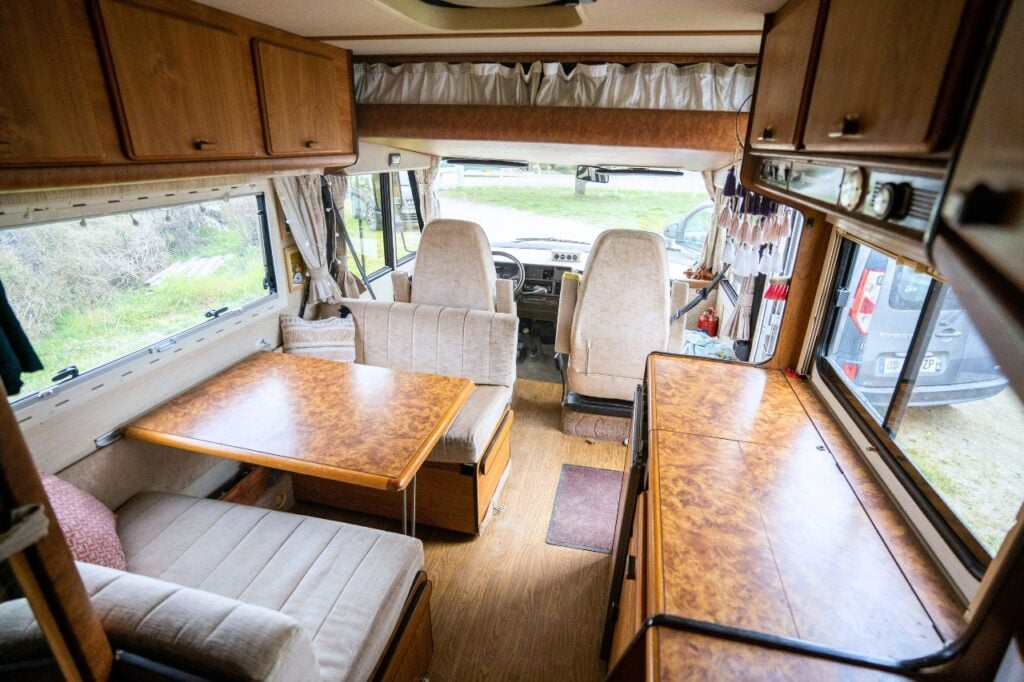
Floorplans sell RVs. Daily life inside them is what really counts.
A layout can look amazing in photos and still feel awkward in real use.
The sofa may be uncomfortable. The bathroom may be too tight. The bed may be hard to access from one side. There may be nowhere to sit comfortably if the weather keeps everyone indoors.
Some buyers walk through an RV for ten minutes and decide it’s perfect. That is not enough.
It helps to really stop and imagine normal moments inside the unit, like cooking a meal, getting dressed, using the bathroom at night, or sitting inside during a storm.
5. Underestimating the total cost of ownership
Anyone who has owned an RV before knows this well: the purchase price is only the start.
This surprises a lot of new buyers because the RV itself gets all the attention, while the ongoing costs kind of hide in the background until they pile up.
Insurance, registration, maintenance, repairs, tires, storage, fuel, campground fees, upgrades, and accessories can add up fast.
And something always comes up. Always.
6. Buying based only on looks
This is such an easy trap.
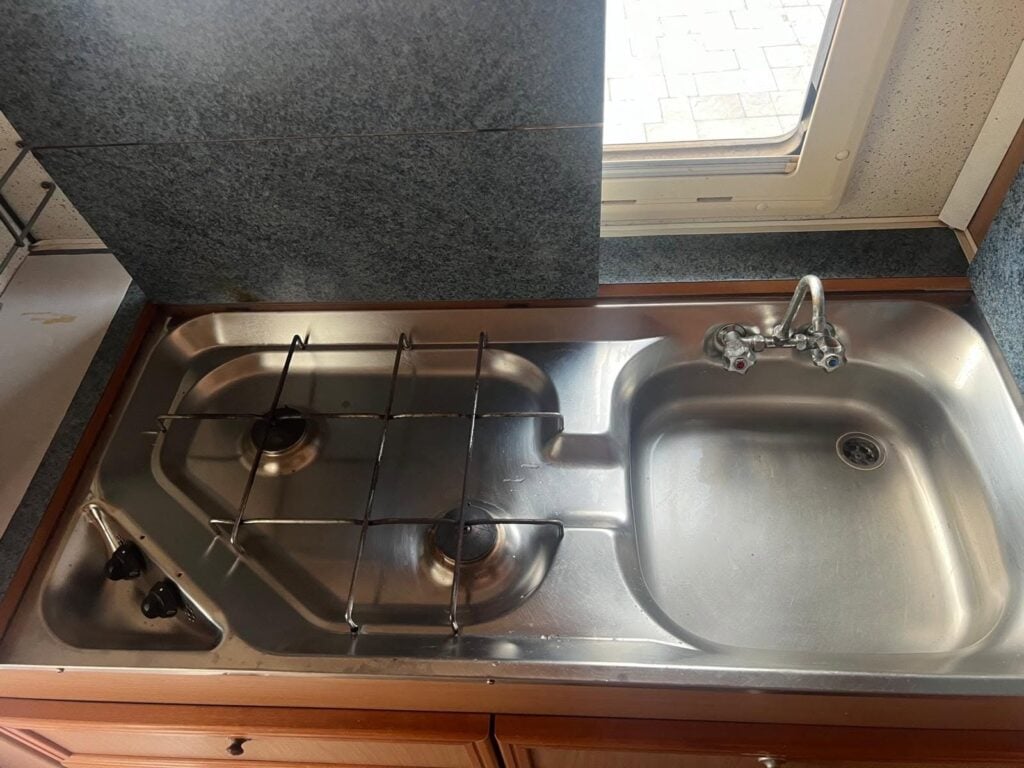
Nice cabinetry, modern colors, farmhouse sinks, cool lighting, huge TVs, fake fireplaces, glossy brochures.
All of that stuff grabs attention. None of it tells the full story about build quality, insulation, tank size, suspension, storage design, or how well the RV will hold up after a year of real travel.
Some RVs look beautiful on day one and start showing issues way too soon.
So before buying, don’t focus only on appearance. Pay attention to the quality of the materials and the finishes too.
7. Skipping the inspection or walkthrough details
Never rush through this part.
Whether the RV is new or used, a careful inspection is essential. New RVs can have problems right from the factory, and used ones can hide water damage, appliance issues, roof trouble, soft floors, or signs of poor maintenance.
A lot of buyers get excited, do a fast walkthrough, and assume everything is fine because it looks clean. That is how expensive surprises show up later.
Things worth checking include:
- Roof condition
- Seals around windows and doors
- Signs of water intrusion
- Slide operation
- Plumbing leaks
- Electrical outlets and lights
- Air conditioner and furnace
- Refrigerator
- Awning
- Tires and age of tires
- Brakes, if towable
- Generator, if included
For used RVs, especially, moisture damage can be a deal breaker; pay attention carefully to them.
8. Not thinking about storage and setup at home
People fall in love with the RV, buy it, bring it home, and then realize it doesn’t fit where they thought it would.
Or the neighborhood rules do not allow it, or the driveway angle is awful.
Before buying, it helps to know exactly where the RV will go when it‘s not being used.
So check length and height clearance, HOA or neighborhood restrictions, monthly storage cost, and obviously, security of the storage area.
9. Choosing too quickly instead of comparing multiple models
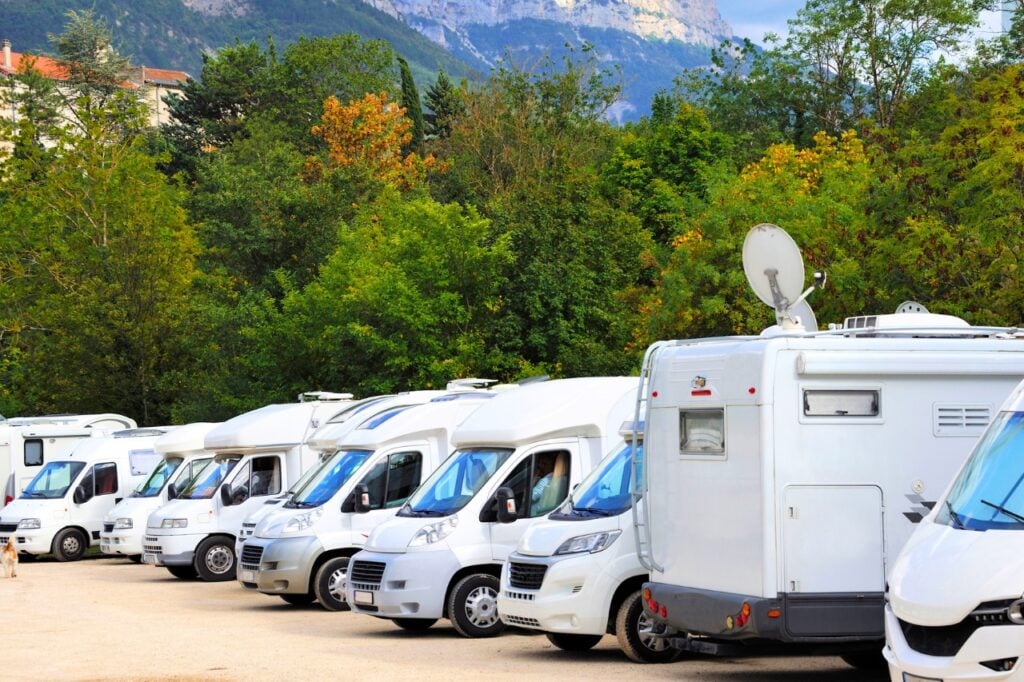
It happens more frequently than you think: some buyers walk into one dealership, see one model that looks good, hear that it is the last one available or that the price is good only today, and suddenly things move too fast.
Always remember that pressure leads to mistakes.
It’s usually better to compare several options, even if one seems perfect right away.
Different brands and layouts can feel very similar at first, but the differences become obvious once the details are compared more carefully.
Sometimes the second or third RV viewed ends up being the much better choice.
10. Forgetting that every RV comes with compromises
This is probably the most important mindset to have.
There is no perfect RV. Every setup involves tradeoffs.
A smaller RV is easier to manage but less roomy. A larger one is more comfortable but harder to maneuver.
A luxury model may feel amazing, but stretch the budget too much. A lightweight trailer may be easier to pull but offer less storage or smaller tanks.
Problems start when buyers expect one RV to do everything perfectly.
The better approach is to decide which compromises are acceptable and which ones are not. That makes the whole process way less frustrating. A lot clearer too.
And please don’t forget to check the 10 things you should never do in an RV after you buy it.