
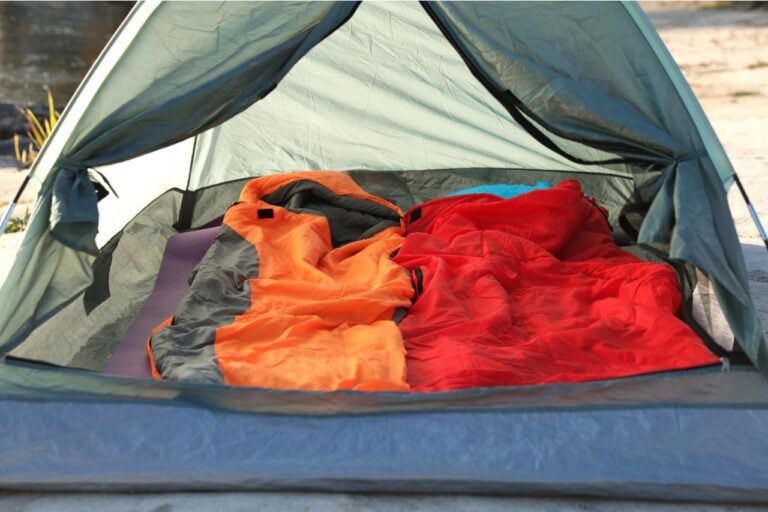
A good sleeping bag doesn’t guarantee a good night’s sleep at camp.
The pad underneath it, the clothes you wear, and where you pitch your tent all affect how comfortably you sleep.
New campers often put most of their attention, and budget, into the bag itself.
That leaves a few easy-to-miss details that can lead to cold nights, sore hips, and very little rest.
Before your next trip, here are seven common sleep system mistakes worth fixing.
1. Trusting the Big Temperature Number on the Sleeping Bag
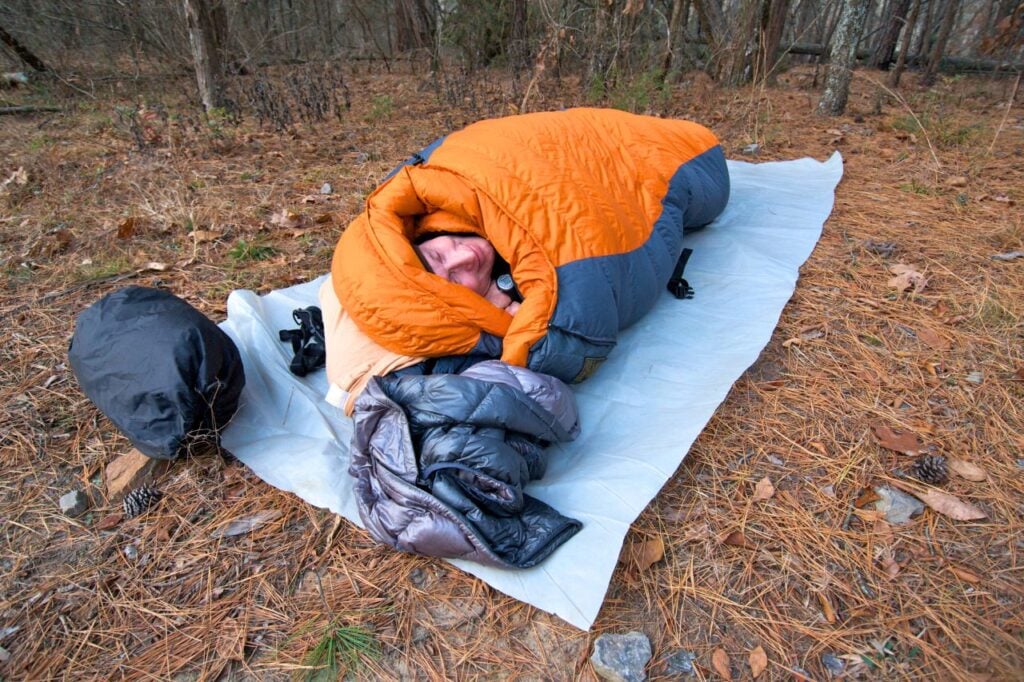
A sleeping bag says “30 degrees,” so a night with a low of 35°F should be perfectly comfortable.
Be careful, though, because that number may refer to a lower-limit rating rather than a comfort rating.
Those are different things, and the distinction gets a lot more interesting when your feet are cold.
On bags with standardized ratings, the comfort rating is generally the more useful starting point for someone who sleeps cold.
A lower-limit rating describes a different set of conditions and assumptions. Neither is a promise that every camper will sleep happily at that temperature.
Some inexpensive bags don’t use standardized testing at all, which makes comparing them even trickier.
Read the actual rating details, not just the biggest number on the label. Then allow some room for colder weather and your own sleeping habits.
Also, check the overnight low for the campsite itself. A weather forecast for the nearest town can be misleading when camp is farther uphill.
2. Putting All the Money Into the Bag and Almost None Into the Pad
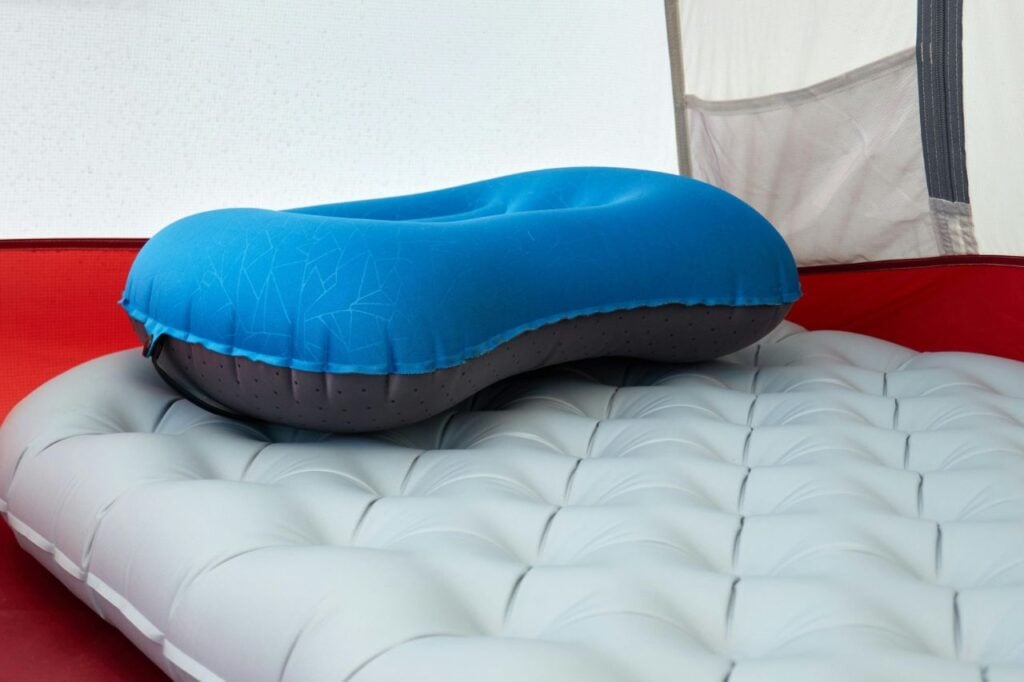
This one explains a lot of miserable nights. Beginner campers buy a warm sleeping bag, spread it over a thin pad, and wonder why the cold seems to come straight through the floor.
Because it does!
The insulation underneath your body gets compressed when you lie on it. That means your sleeping pad has a job beyond cushioning your hips: it helps reduce heat loss to the ground.
A thicker mattress isn’t automatically a warmer mattress. An uninsulated air mattress can feel wonderfully soft and still leave you cold.
Look for the pad’s R-value, which indicates its resistance to heat flow. Higher numbers mean more insulation.
If the manufacturer doesn’t provide a tested R-value, it’s harder to know what you’re getting.
And no, the tent floor doesn’t make up for an underinsulated pad. Neither does that very expensive sleeping bag, unfortunately.
3. Choosing a Sleep Setup That Doesn’t Match How You Actually Sleep
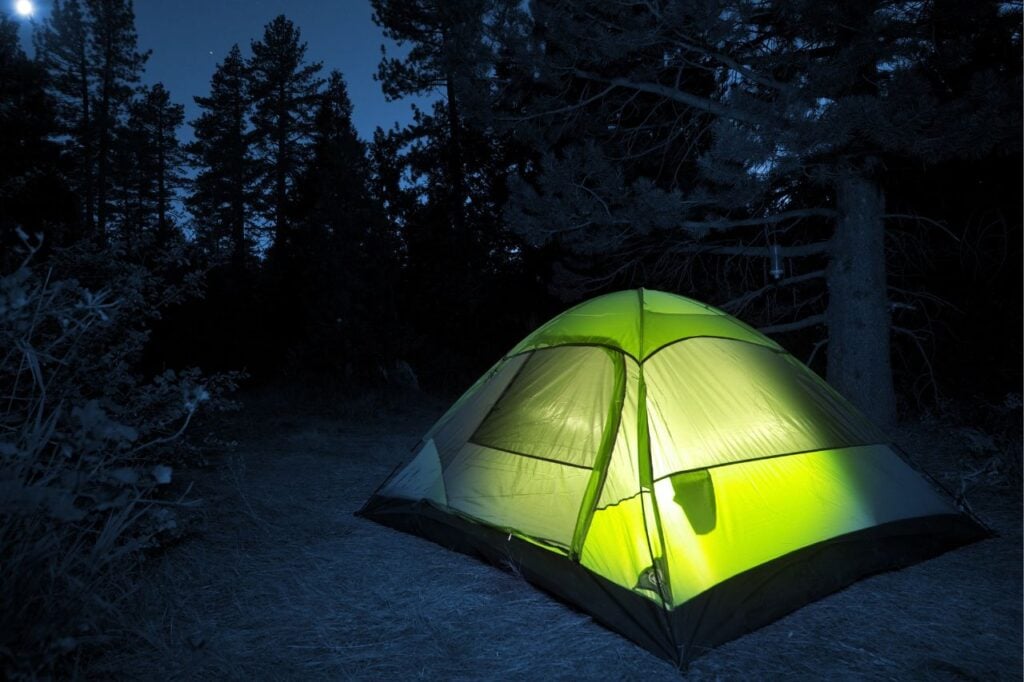
New campers often choose sleeping gear based on packed size or price, then discover they can’t turn over without taking half the bedding with them.
Side sleepers may need more cushioning around the hips and shoulders.
Restless sleepers often appreciate a wider pad. Anyone who hates tucked-in hotel sheets probably ought to think carefully before buying a very snug sleeping bag.
Fit affects warmth, too. A bag that’s too short can compress insulation around your feet. One that’s excessively roomy may leave more space than you comfortably warm.
And then there’s the pillow.
Choose gear for the body and sleeping habits you already have. Camping doesn’t magically turn a picky sleeper into someone who can get comfortable anywhere.
And if there’s space, remember that there’s nothing wrong with bringing your regular pillow. It already passed the test!
4. Going to Bed in Damp Clothes
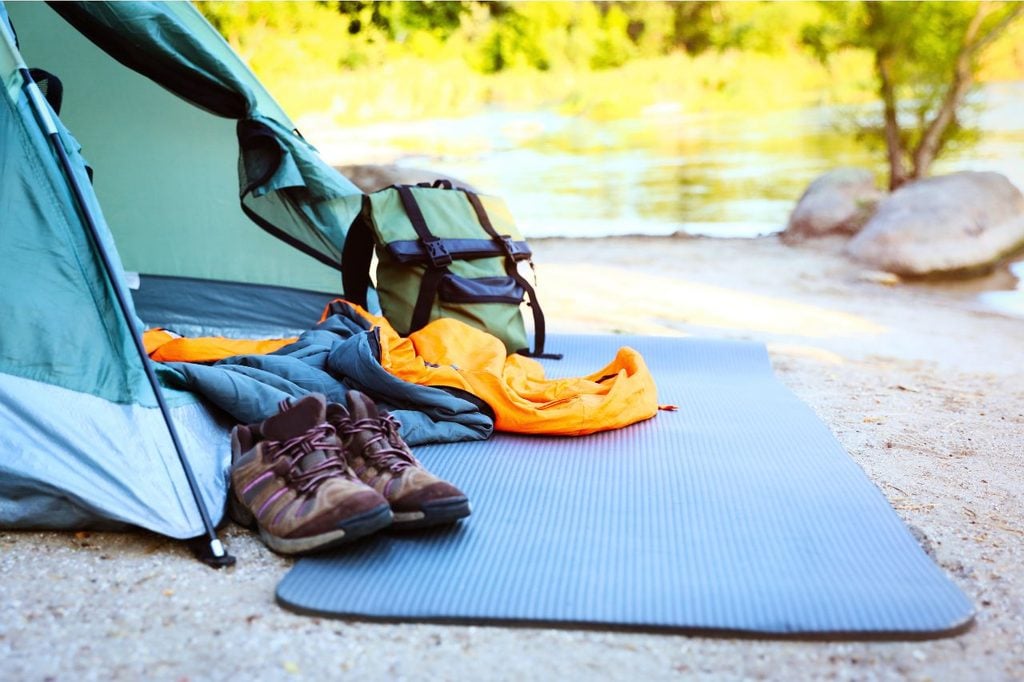
After a long walk, your shirt might feel mostly dry. Your socks might seem fine.
Mostly and fine aren’t particularly helpful once the night cools down.
Sweat, wet grass, a little rain while setting up camp. Moisture gets into clothing in ordinary, easy-to-miss ways.
Climbing into bed wearing those same layers can make getting warm much harder.
Keep a dry set of sleeping clothes protected in a waterproof bag or liner.
Something simple: a comfortable base layer and dry socks.
There’s no need to dress like you’re heading out into a blizzard, either. Dry, comfortable layers are the goal.
If you’re already chilled before bed, change out of damp clothes and warm up before settling in.
5. Closing Every Vent to Keep the Warmth In
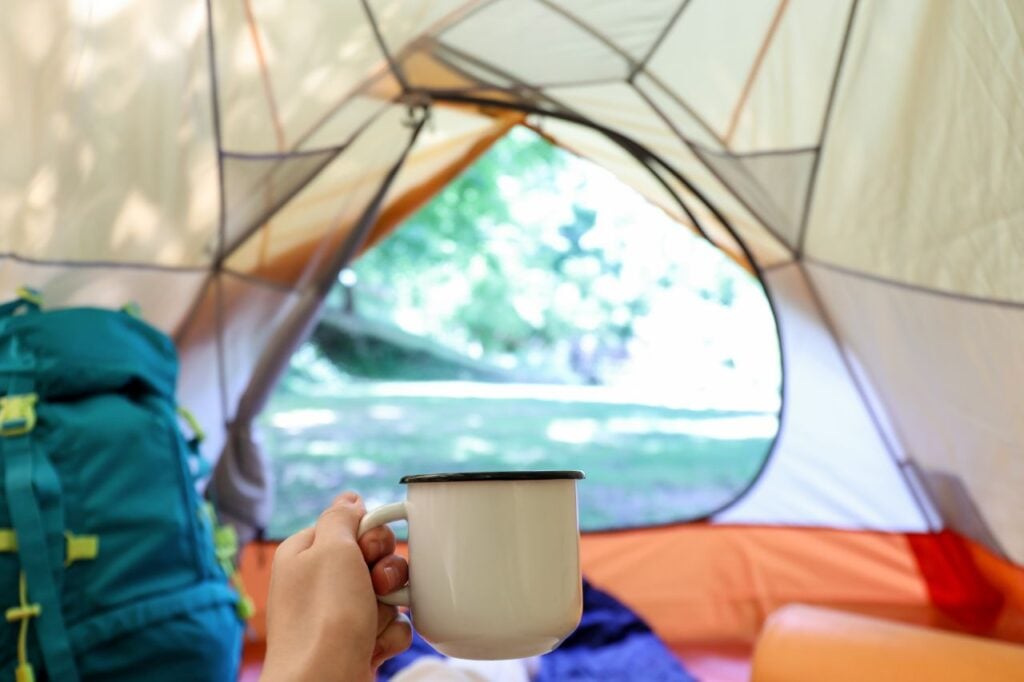
When the air gets chilly, sealing the tent feels like the obvious move.
Zip the door. Close the vents. Keep all that cold air outside.
Then morning arrives, and the inside of the tent is covered in moisture.
Your breath and damp gear add water vapor to the air. When that moisture meets a cold surface, condensation can form.
Closing off ventilation makes it harder for the moisture to escape.
Use the tent’s ventilation as designed, even when it’s cold. Pitch the rainfly properly and keep bedding away from wet walls.
Your sleeping bag and pad should provide the insulation you need.
And never use a stove, barbecue, or fuel-burning lantern inside the tent for warmth. The carbon monoxide and fire risks are serious!
6. Picking the Campsite for the View and Ignoring the Ground
That beautiful lakeside spot might come with a slope so slight you barely notice it while standing.
You’ll notice it later.
Usually after sliding off the sleeping pad for the third time.
Before setting up, check the ground where your body will actually lie. Look for roots, rocks, hollows, and a slope that sends everyone toward one corner of the tent.
If possible, lie down briefly on your groundsheet or inside the empty tent.
It feels a little silly. It feels less silly than discovering a root directly beneath your shoulder after everything is unpacked.
Avoid depressions where water can collect, and pay attention to exposed wind and obvious overhead hazards, including dead branches.
Low spots can also collect colder air, so the most sheltered-looking little hollow isn’t always the warmest choice.
A flat, well-drained pitch is worth more than a slightly better view from the tent door.
7. Trying the Whole Setup for the First Time at Camp
Opening a new sleeping pad beside the tent is never a good idea.
A quick test at home catches the boring problems that become very irritating outdoors.
Inflate the pad and lie on it in your usual sleeping position. Adjust the firmness while your weight is on it.
Leave it inflated long enough to check for leaks. Make sure you understand how to deflate and pack it, too.
Then try the whole arrangement together.
Can you turn over? Does your elbow end up on the cold floor? Is your face buried in the hood when you roll onto your side?
One trial night at home or close to home can reveal more than an hour of reading product descriptions.
It also gives you precious time to make changes.
And remember that good camping sleep usually comes down to a handful of unglamorous details: enough insulation underneath you, dry bedding, room to move, and a sensible place to put the tent.
Get those right, and bedtime starts feeling like part of the trip to look forward to!