
There’s a particular kind of kindness you notice at a campground. It isn’t usually a big favor.
It’s someone holding the bathhouse door when your hands are full, or keeping their headlights out of your tent while they park after dark.
You might never even learn that camper’s name. Still, they make your trip a little better.
After enough nights camping, I’ve come to appreciate those little things more than the fancy gear.
Here are ten gestures that other campers will probably remember, even if they don’t say anything at the time.
1. Give someone room to back into their site
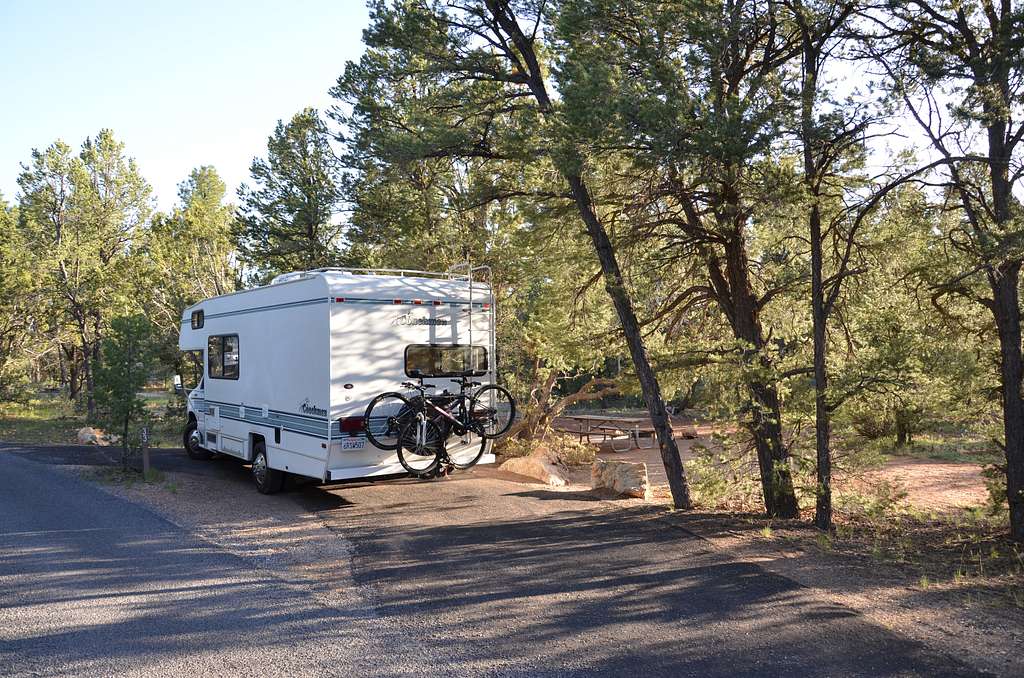
Backing a trailer into a campsite while a small crowd watches is nobody’s favorite part of a vacation.
Even tent campers need space to unload and figure out where everything goes.
If your neighbor has just arrived, move your chair, bike, or car out of the way if it’s close to their spot.
Keep kids clear of the road for a few minutes, too. You don’t have to direct the whole operation. Just giving them room, and a bit of privacy, helps a lot.
2. Offer help, then let them say no
Sometimes you can see a camper struggling with a tent pole or trying to carry too much in one trip. A simple “Need a hand?” is lovely.
The second part matters just as much: if they say they’re good, believe them.
Some people enjoy working things out themselves, and others have a very particular way of setting up. Ask once, smile, and leave it there. It keeps the offer feeling like kindness instead of supervision.
3. Share a small thing when it’s needed
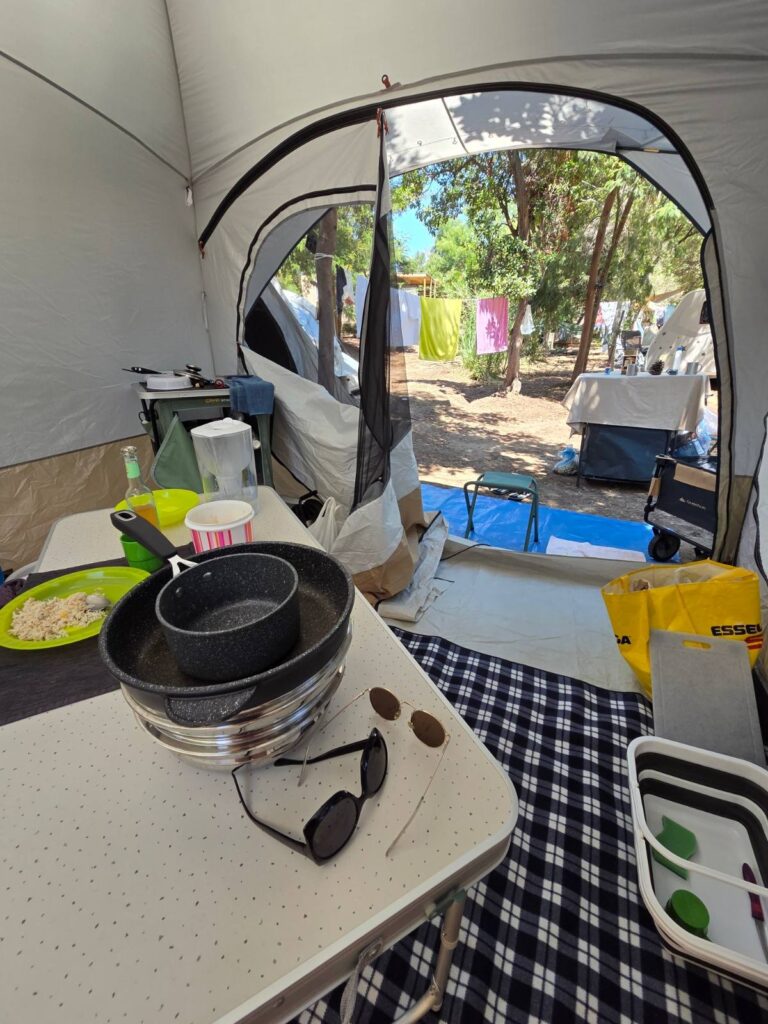
I don’t mean handing over half your camping supplies to a stranger. Usually it’s something tiny: a spare trash bag, a few matches, or the can opener someone forgot to pack.
Those little missing items can turn into a surprisingly annoying problem when the nearest store is miles away.
If you’ve got an extra and feel comfortable offering it, you can really save someone a trip.
4. Keep your late-night lights pointed at your own site
A bright headlamp is useful when you’re looking for your shoes at 10 p.m. It’s less useful to the people in the next tent when the beam shines straight through the fabric.
Point flashlights down, dim outside lights when you can, and check where your vehicle headlights will land before you leave them on.
I’ve been grateful for neighbors who did this without anyone asking. It’s such a small adjustment, but it makes a campsite feel peaceful again.
5. Make the quiet hours actually quiet
Most campers expect some noise. People laugh around fires, dogs bark now and then, and someone always seems to be opening a car door. That’s camping.
But once quiet hours start, lowering your voice and turning off the speaker can make a real difference to the family sleeping next door.
Sound travels farther than you think on a still night. And if you’re leaving early, getting your gear mostly ready the evening before is a nice touch.
6. Respect the invisible walls around a campsite
The fastest route to the bathroom might cut across an empty-looking corner of someone else’s site. Take the path instead.
Even when people are friendly, their little patch of ground is where they’re eating breakfast, changing clothes in the tent, or just trying to relax.
Giving it the same space you’d want around your own setup is one of the easiest ways to be a good neighbor.
7. Leave the shared spaces ready for the next person
Wipe up the sink if you’ve splashed water everywhere. Take your food scraps from the dishwashing station. Pick up the little piece of paper that missed the bin.
None of this is glamorous camping advice, I know. But a clean bathroom or sink makes the next camper’s morning noticeably better.
It also gives campground staff one less mess to deal with.
8. Keep an eye on your campfire smoke
You can’t control every shift in the wind. You can notice when smoke is pouring straight into the next site, though.
If it’s happening constantly, try moving your chair or adjusting the fire when it’s safe to do so.
Burn only what the campground permits, and avoid throwing damp scraps onto the flames. Nobody wants to spend dinner sitting in a cloud of smoke from somebody else’s fire.
9. Help a new camper feel welcome
You can often spot a first-time camper. They’re reading every sign, checking the campsite number twice, and looking a bit unsure about where the water tap is. I remember that feeling.
If someone asks where the showers are or how the firewood system works, give them a friendly answer.
You don’t need to deliver a full camping lesson. A quick bit of useful information, without making them feel silly for asking, goes a long way.
10. Leave your site in good shape
Before you pull out, walk the site once more. Check under the picnic table, around the fire ring, and where your tent or chairs were sitting.
Bottle caps and bits of packaging are easy to miss.
If you moved anything provided by the campground, put it back where it belongs. The next campers may arrive tired, hungry, and ready to set up.
Finding a clean site gives their trip a better start before they’ve even unpacked.
That’s the nice thing about campground kindness. Most of it takes only a moment.
A little space, a little thought, an extra trash bag at the right time. You do your part, someone else does theirs, and the whole place feels better for it.