
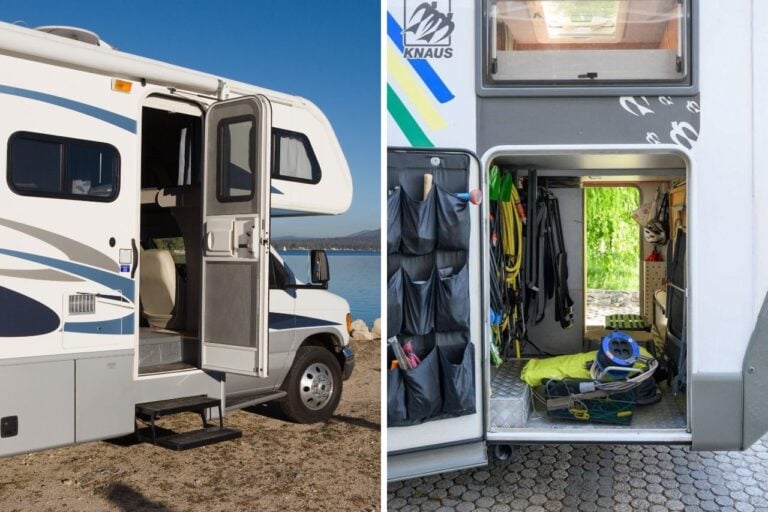
When you first start traveling in an RV, it’s easy to focus on the obvious stuff. Food, clothes, folding chairs, maybe a grill.
After a few trips, though, your packing list starts to change.
You discover that the things you really need aren’t always the exciting gadgets shown in RV videos.
They’re the simple items that save you when something leaks, breaks, gets stuck, or just refuses to work at the worst possible moment.
Experienced RV owners have usually learned these lessons the hard way. Here are 10 things you’ll almost always find somewhere in their storage compartments.
1. A Reliable Water Pressure Regulator
Campground water pressure can be surprisingly unpredictable.
At one campground, the flow barely makes it through the showerhead. At the next, the pressure is strong enough to put serious stress on your RV’s plumbing.
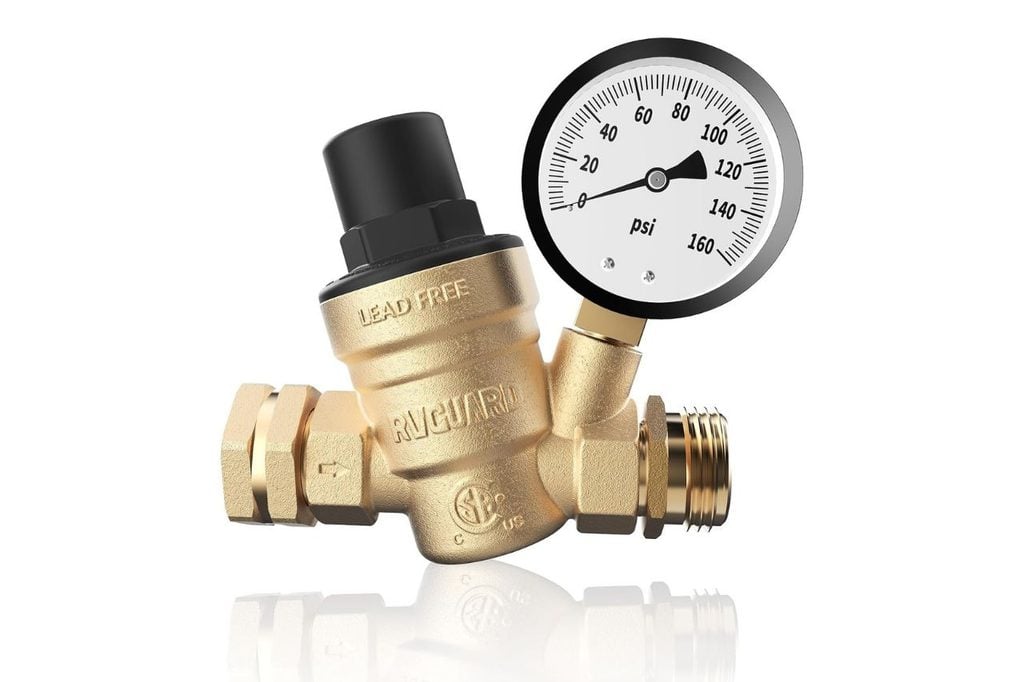
That’s why seasoned RV owners connect a water pressure regulator before attaching the freshwater hose.
It’s a small piece of equipment, but it can help protect fittings, pipes, and appliances from excessive pressure.
Adjustable regulators with a pressure gauge are especially useful because you can actually see what is coming into the RV.
2. More Wheel Chocks Than They Think They Need
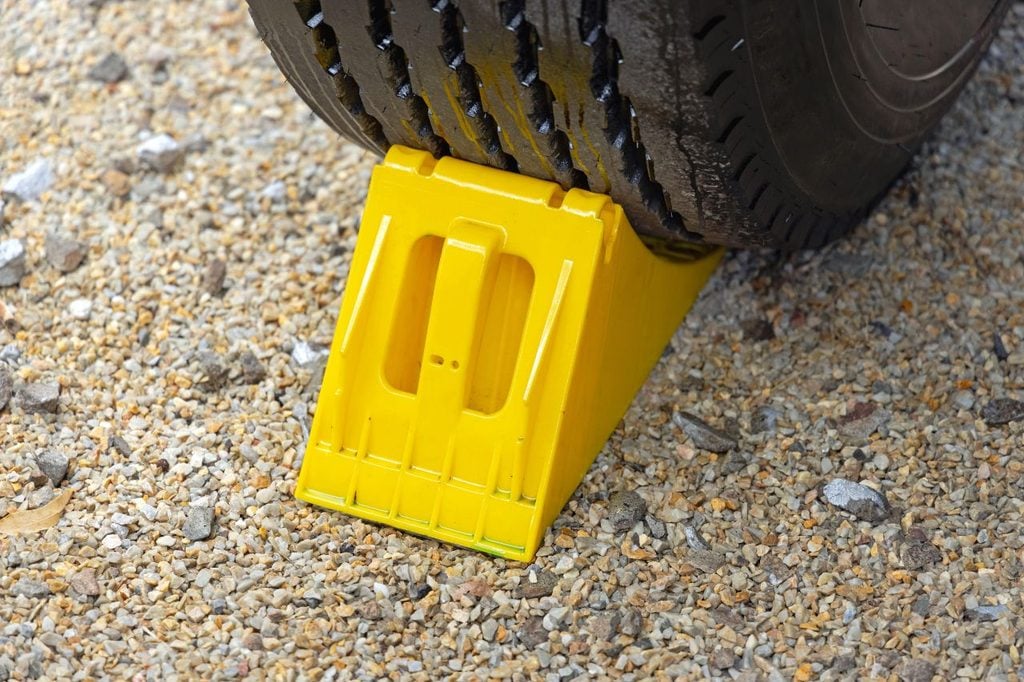
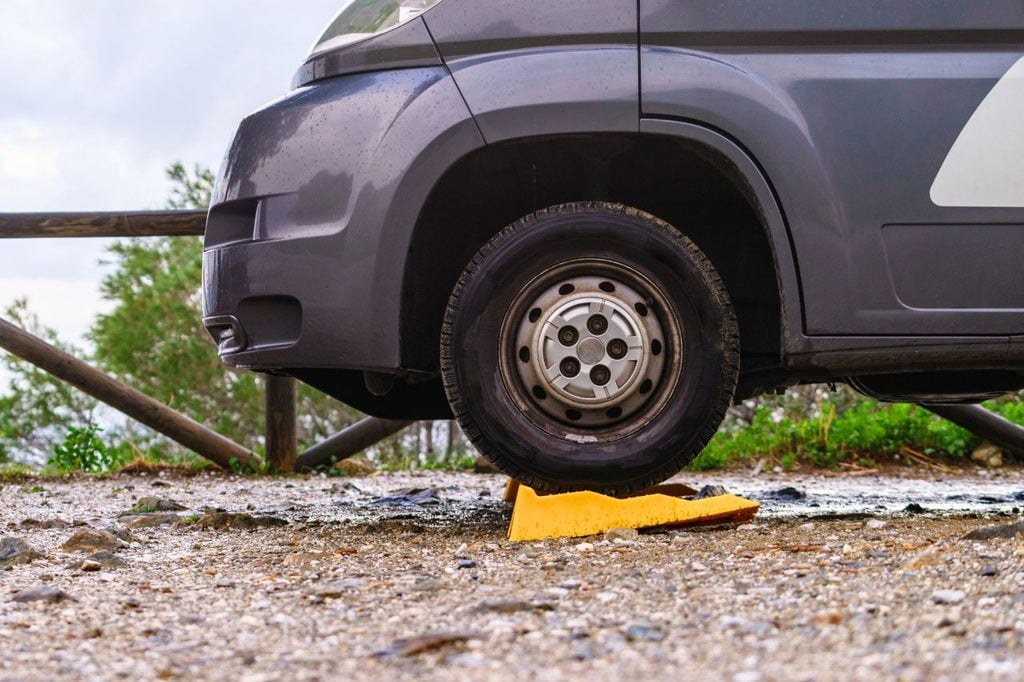
Wheel chocks aren’t exciting, but experienced RVers rarely travel without several of them.
They help keep the RV from moving while parked, especially when you’re setting up on uneven ground.
Even if your RV has a reliable parking brake or leveling system, chocks add another important layer of security.
And somehow, they have a habit of disappearing.
Always place the chocks before disconnecting a trailer from the tow vehicle. That little habit can prevent a very big problem.
3. A Basic Tool Kit
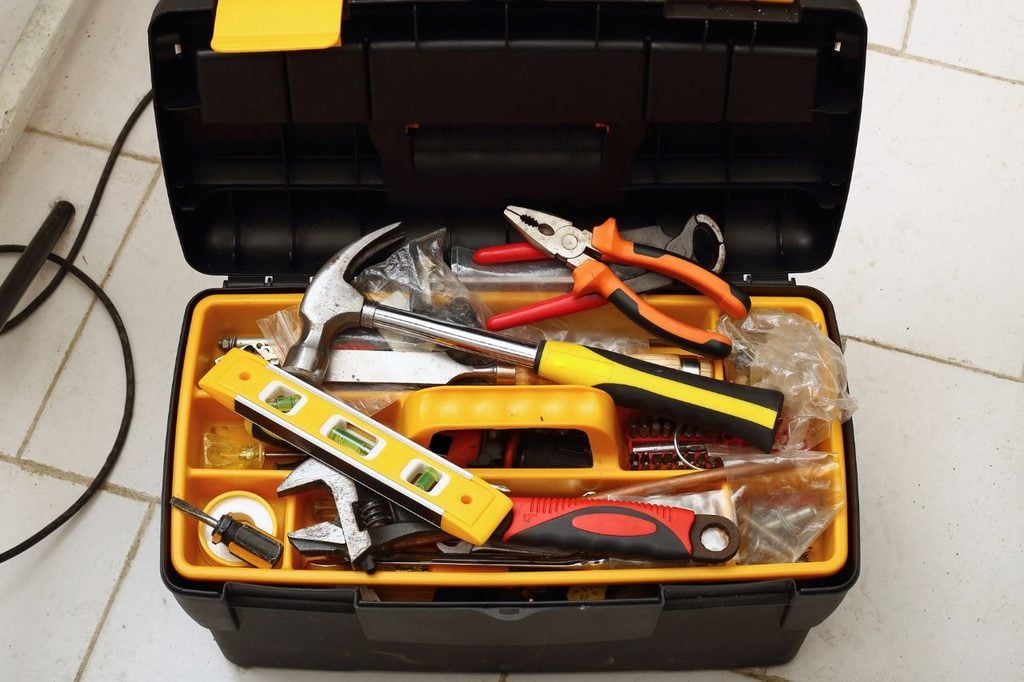
You don’t need to bring an entire workshop, but RVs shake, bounce, and vibrate every time they travel down the road.
Screws loosen. Cabinet hinges move. Small parts eventually need attention.
A basic RV tool kit should include things like:
- Several screwdrivers
- Adjustable wrenches
- Pliers
- A socket set
- A utility knife
- A small hammer
- A tape measure
- Spare screws and fasteners
- A cordless drill or driver
A multimeter can also be useful if you understand how to use one safely.
Most campground repairs are not major mechanical jobs. They’re usually small, annoying problems that become much easier when you have the right tool within reach.
4. Heavy-Duty Duct Tape
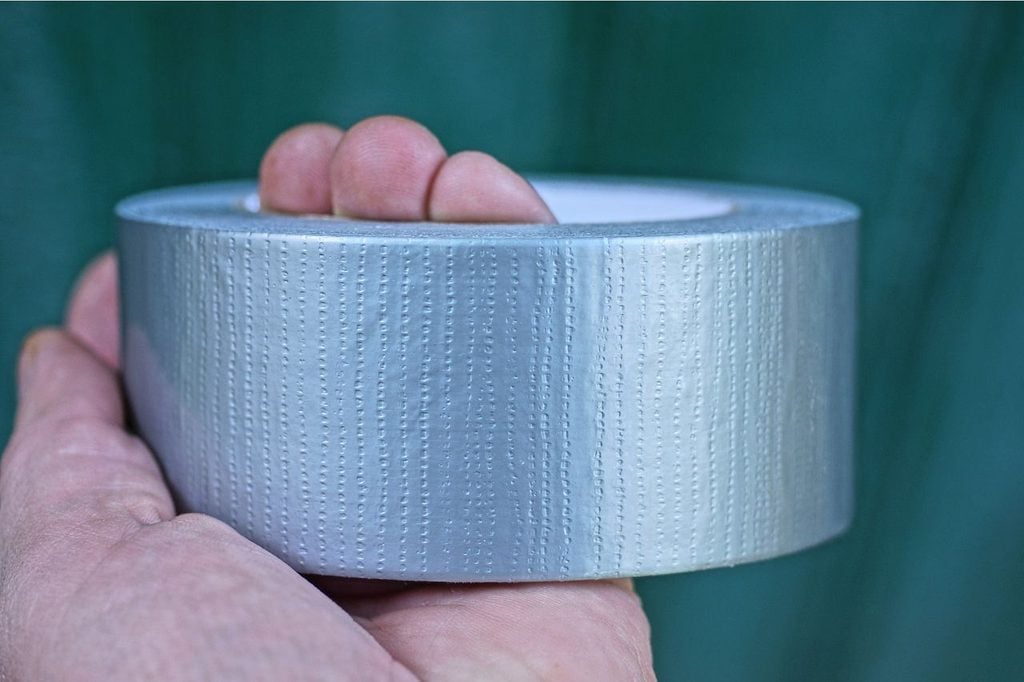
There’s ordinary tape, and then there’s the roll of heavy-duty duct tape that has saved half the campground at some point.
It can temporarily secure a loose panel, cover a small tear, hold insulation in place, or keep something from rattling until you can make a proper repair.
It’s not a permanent solution, of course, but sometimes you simply need to get through the night or make it safely to the next town.
Experienced RV owners often carry more than one type of repair tape. Waterproof tape, electrical tape, and self-fusing silicone tape can all be useful in different situations.
5. A Surge Protector or Electrical Management System
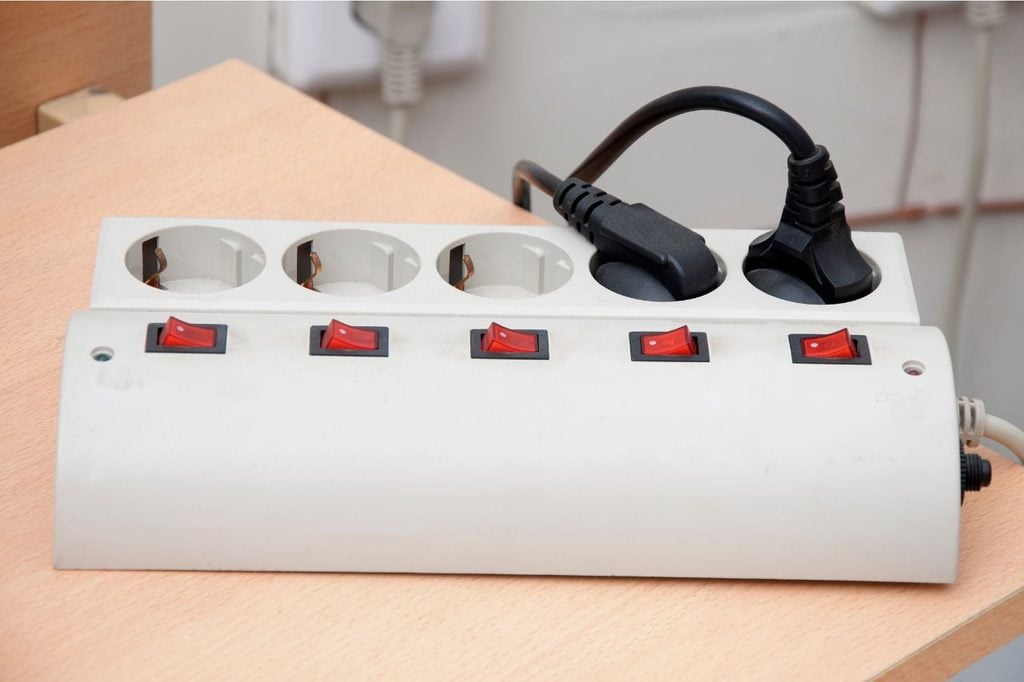
Campground power pedestals don’t always deliver clean, consistent electricity.
There can be low voltage, high voltage, wiring faults, or other electrical issues that aren’t obvious just by looking at the outlet.
A proper RV surge protector or electrical management system can check the connection before power reaches your RV. More advanced models may also disconnect the supply when voltage moves outside a safe range.
This is one area where experienced owners usually don’t choose the cheapest option.
An RV contains expensive appliances, electronics, air conditioners, chargers, and control boards. Protecting all of that equipment with one device makes a lot of sense.
6. Extra Drinking Water

Even when a campsite advertises full hookups, experienced RV travelers often carry a backup supply of drinking water.
The campground water might be temporarily shut off. The connection may be too far from the site.
The water could have an unpleasant taste, or you might arrive after the campground office has closed and discover that the hookup isn’t working.
This is especially important when boondocking or driving through isolated areas. You don’t necessarily need to fill every available container, since water is heavy.
But having enough for drinking, medications, and basic emergencies is just common sense.
7. Leveling Blocks
Very few campsites are perfectly level, even when they look that way from the driver’s seat.
A slightly uneven RV can make everything incredibly uncomfortable.
That is why a set of sturdy leveling blocks is almost always part of an experienced RVer’s setup.
Stackable blocks are popular because they’re easy to store and can be adjusted for different sites.
PRO TIP: Pieces of lumber can work too, although they tend to be heavier and eventually get dirty or soaked.
8. Spare Fuses, Light Bulbs, and Small Parts
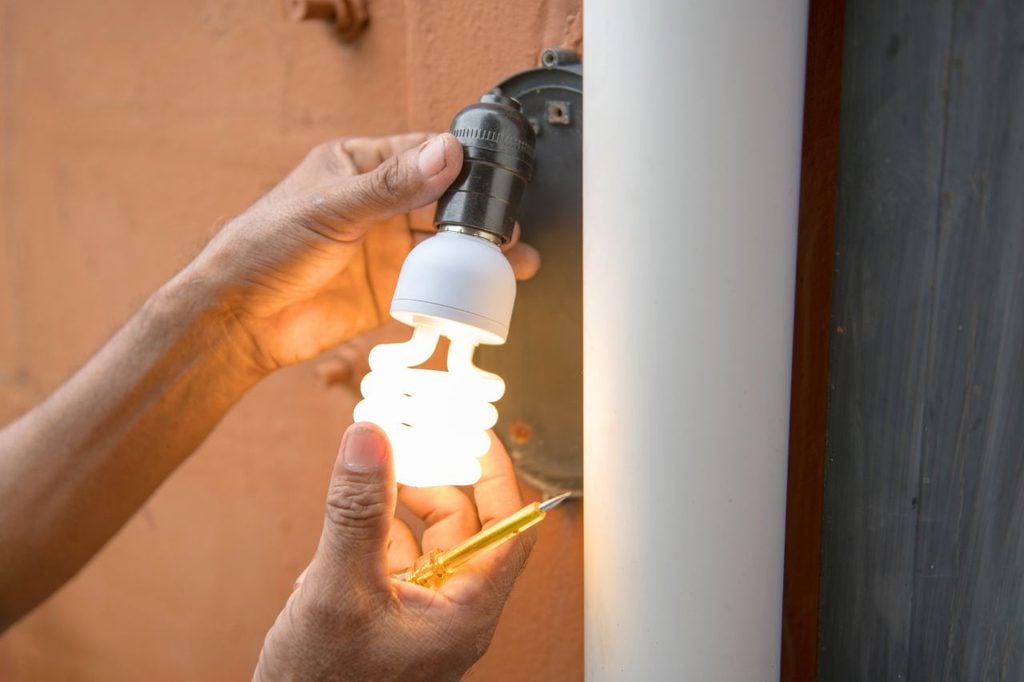
Some of the most frustrating RV problems are caused by very inexpensive parts.
A blown fuse can stop a light, pump, slide mechanism, or appliance control from working.
Experienced owners usually keep a small organizer filled with frequently needed parts, including:
- Replacement fuses in the correct sizes
- Hose washers
- Spare light bulbs
- Cotter pins
- Zip ties
- Hose clamps
- Electrical connectors
- Common screws and nuts
- Spare batteries
The exact contents will depend on the RV. Over time, most people build their own little collection based on whatever has failed before.
9. Disposable Gloves and Cleaning Supplies

There are moments in RV life when you really don’t want to use your bare hands.
Emptying waste tanks is the obvious example, but gloves are also helpful when handling dirty hoses, checking underneath the RV, cleaning the grill, or dealing with a messy mechanical problem.
Keep several pairs of sturdy disposable gloves near the utility compartment.
It’s also smart to carry disinfectant spray, paper towels, hand sanitizer, trash bags, and a few old rags.
10. A Good Flashlight or Headlamp
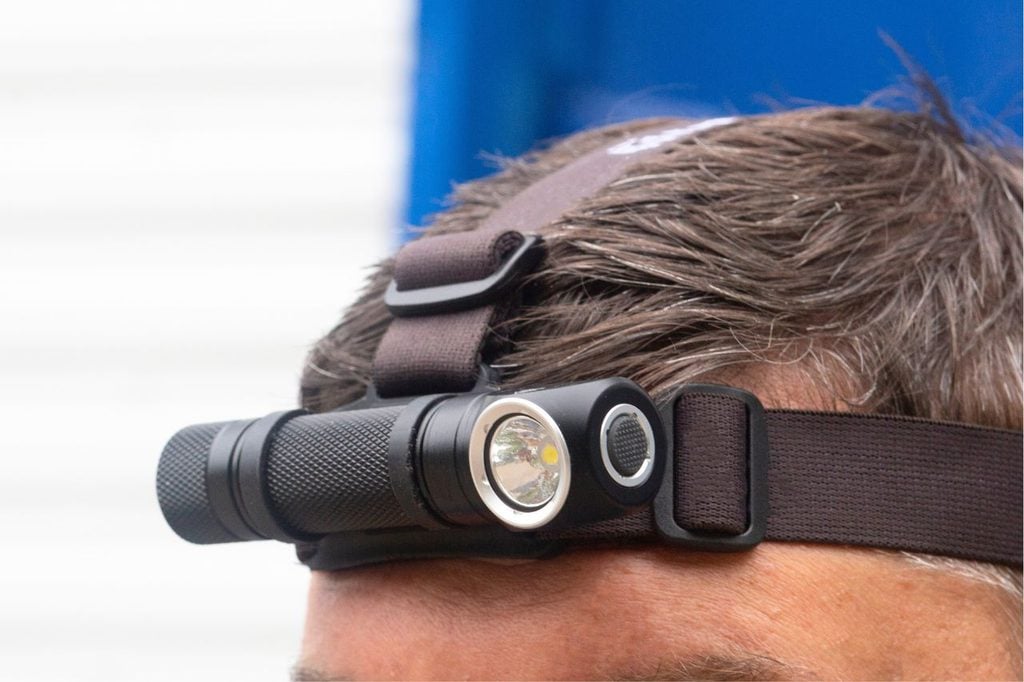
RV problems seem to have excellent timing. They rarely happen at noon on a bright, sunny day. They happen after dark or when it’s raining.
A strong flashlight is essential, but a headlamp may be even more useful because it keeps both hands free.
That makes it much easier to connect utilities, inspect a tire, look inside a storage compartment, or work beneath the RV.
Keep one light inside the RV and another somewhere you can reach from outside. Make sure the batteries are charged before every trip, too.
A small lantern is also worth carrying. It can provide general light during a power outage without draining your phone battery.
Experience Changes the Way You Pack
New RV owners often bring too much of the fun stuff and not quite enough of the practical stuff.
That’s completely normal. Every trip teaches you something.
Experienced RV owners aren’t prepared because nothing ever goes wrong. They’re prepared because plenty of little things have gone wrong before.
You don’t need to buy everything at once. Start with the basic safety equipment, build a simple tool and repair kit, and add items as you become familiar with your particular RV.
Eventually, you’ll have your own collection of odd little supplies that other campers might laugh at. Right up until they need to borrow one!