

Handing your suitcase over at the cruise terminal feels like a relief. No more dragging it through security or squeezing it into elevators.
But before you give it to the porters, take one last look inside.
Checked cruise luggage works a little differently from checked luggage at an airport.
Your suitcase may pass through several hands before it reaches your cabin, and delivery can take hours.
On busy embarkation days, I’ve seen bags still sitting in the hallway well after dinner.
Most suitcases arrive without any problems. Still, there are certain things I would never pack in one.
Some are too valuable, and others are essential for boarding. Here are the 10 things you should always keep in your carry-on bag.
1. Your passport and cruise documents
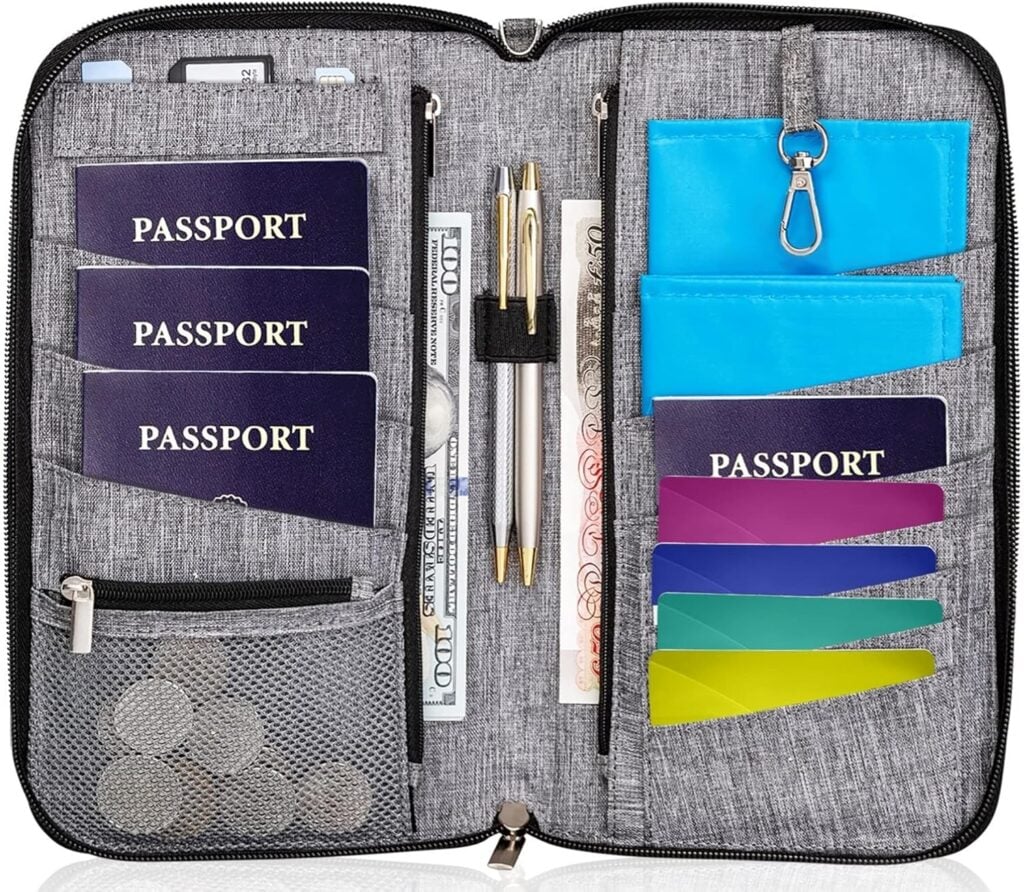
This sounds obvious, but it happens more often than you would think.
Never put your passport, boarding pass, visa documents, or other identification inside the suitcase you hand to the porters.
You’ll need those documents to enter the terminal and complete check-in.
If your passport is already traveling toward the ship inside your checked suitcase, getting it back may be difficult and could take quite a while.
I keep all of my documents together in a small travel wallet. It stays in my personal bag until I’m safely inside my cabin.
It’s also smart to save digital copies on your phone, but remember that a photo of your passport usually doesn’t replace the actual document.
2. Prescription medications
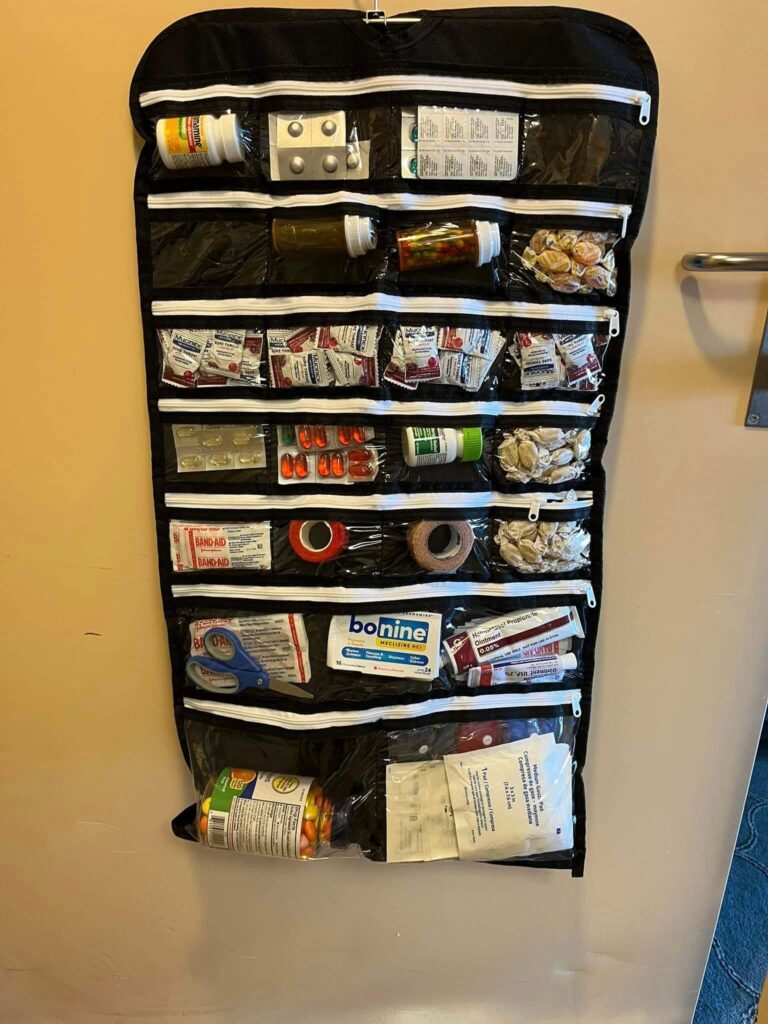
All essential medications should travel with you, preferably in their original packaging.
Suitcases can be delayed, sent to the wrong deck, or occasionally misplaced.
Even a delay of a few hours could become a serious problem if you need to take medication at a specific time.
Also remember to bring enough medicine for the entire cruise, plus a few extra days in case your journey home is disrupted.
If you take a controlled medication or use syringes, carry a copy of the prescription or a letter from your doctor as well.
The same advice applies to inhalers, EpiPens, insulin, and anything else you may need quickly. Don’t assume you can simply buy a replacement on the ship.
The medical center carries some common medications, but its supplies are limited and treatment can be expensive.
3. Money, jewelry, and other valuables
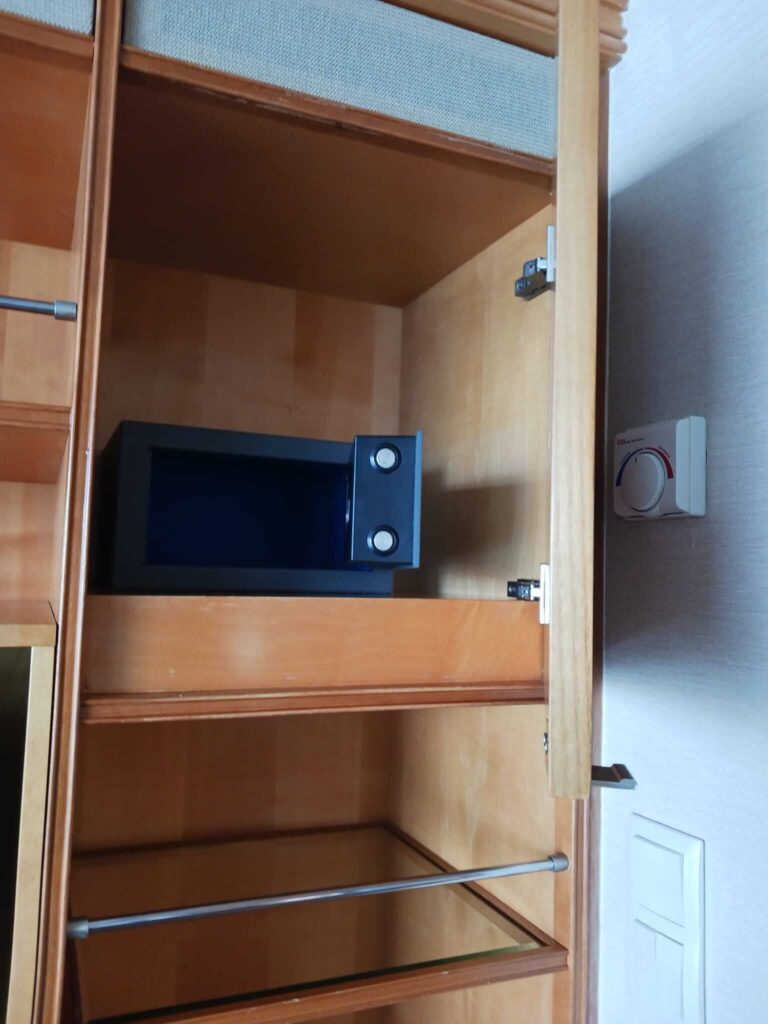
Cash, credit cards, expensive jewelry, and watches should never go into checked cruise luggage.
You probably won’t see your suitcase for several hours after handing it over. During that time, it will be moved through busy luggage-handling areas alongside thousands of other bags.
Cruise lines generally have limited liability for lost valuables, especially when those items were packed in checked luggage. Travel insurance may have limits too.
Personally, I try not to bring very expensive jewelry on a cruise at all. If I do bring something valuable, it stays in my carry-on during embarkation and then goes directly into the cabin safe.
Keep your wallet with you as well. You may need a credit card during check-in, even if you have already entered the details online.
4. Power banks and spare lithium batteries
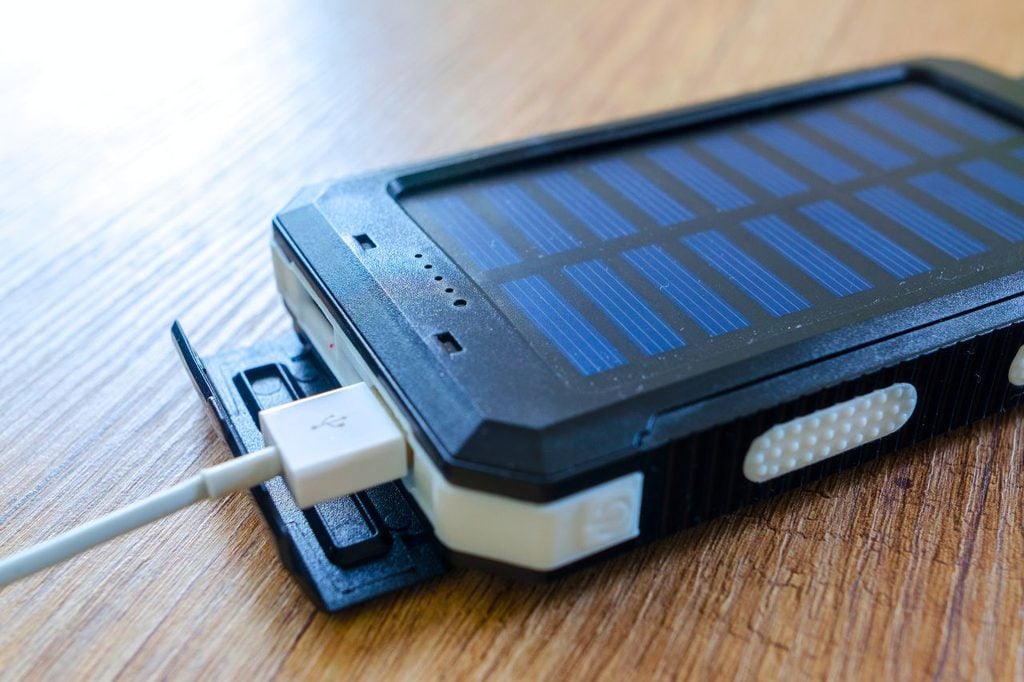
Portable chargers and spare lithium batteries belong in your carry-on bag, not your checked suitcase.
Damaged or overheated lithium batteries can start fires, which is why cruise lines take them seriously.
Rules vary slightly between companies, but power banks are commonly restricted from checked luggage.
This includes loose rechargeable batteries, some camera batteries, and battery-powered devices that could accidentally switch on inside the suitcase.
And definitely inspect an older power bank before packing it. If it looks swollen, cracked, or damaged, leave it at home.
That is not something you want overheating anywhere, especially not on a ship.
5. Your phone, camera, and laptop
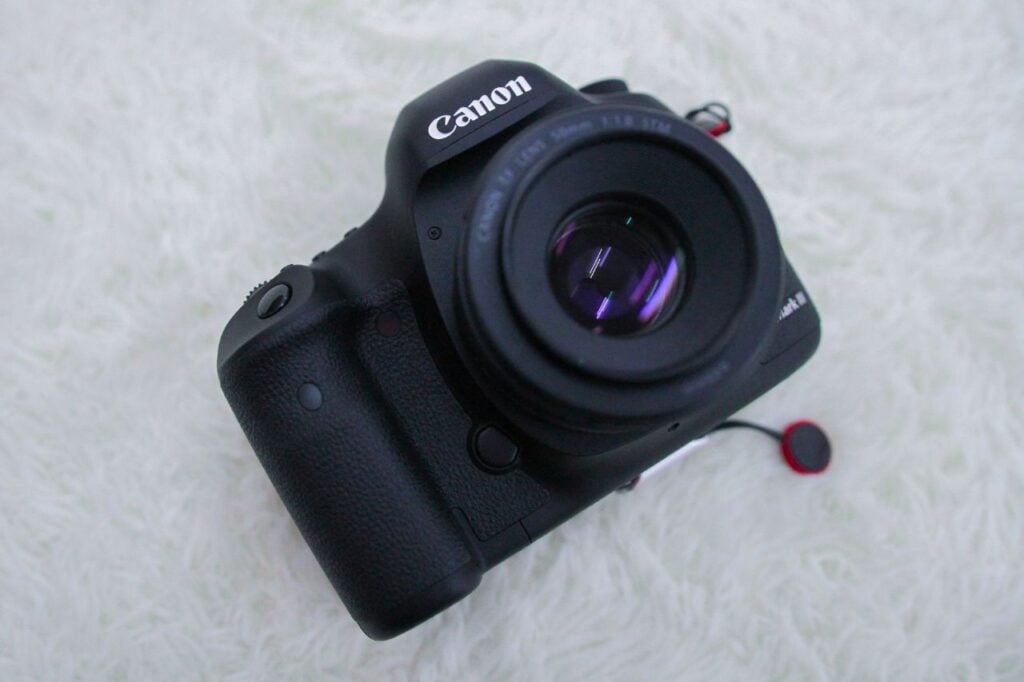
I would never check a phone, laptop, tablet, camera, or other expensive electronic device.
Apart from the risk of theft, cruise luggage isn’t always handled gently.
Bags can be stacked on top of each other, bumped against metal carts, or left outside in bad weather for a short time.
A suitcase offers less protection than most people imagine.
Keep your electronics in a padded carry-on bag and make sure they’re easy to remove if security wants to inspect them.
I also keep my charging cables with me. There isn’t much point in safely carrying your phone if its charger is buried in a suitcase that doesn’t arrive until late at night.
Your phone will probably contain your cruise line app, boarding information, travel confirmations, and payment details too, so you really don’t want to be separated from it.
6. Anything you need during the first few hours

Your cabin may be ready before your luggage is delivered. Sometimes the suitcase arrives quickly, but sometimes it really doesn’t.
Pack a small embarkation-day kit in your carry-on with anything you might want before dinner.
Mine usually includes sunscreen, sunglasses, a swimsuit, basic toiletries, and a clean shirt.
If you plan to use the pool, wear your swimsuit under your clothes or carry it with you.
I also recommend bringing whatever you need for dinner.
Most cruise lines relax the dress code on the first evening because they know luggage can be delayed, but having a fresh outfit still makes the start of the cruise feel a bit nicer.
7. Medical equipment
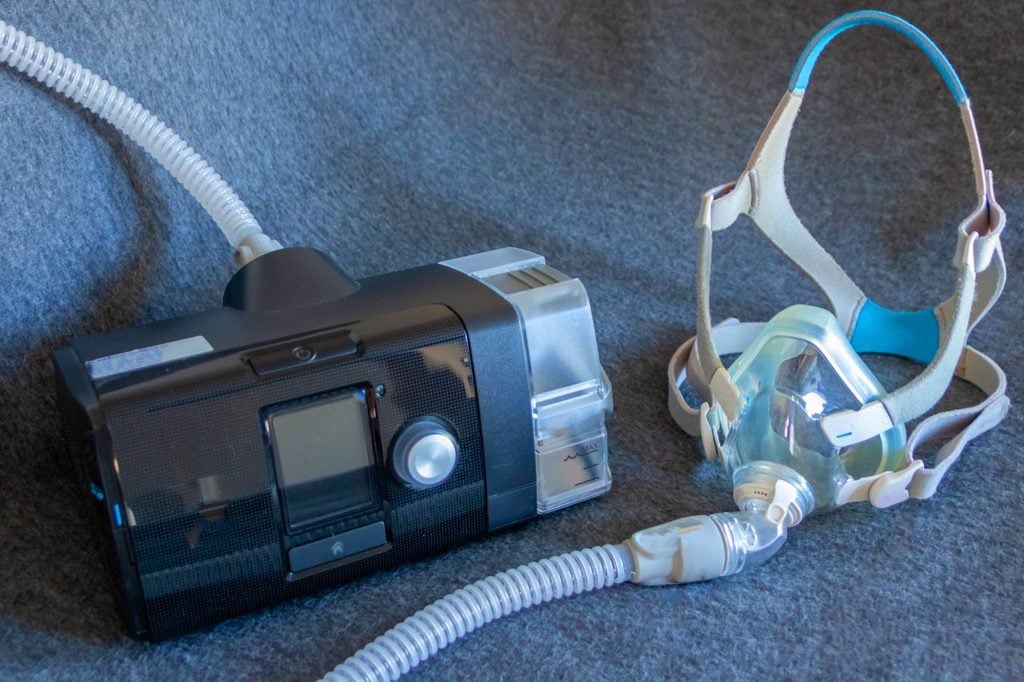
CPAP machines, hearing aids, mobility-related equipment, and other important medical devices should remain with you.
These items can be difficult or impossible to replace once the ship has departed. They may also be damaged if placed underneath heavier suitcases.
If you use a CPAP machine, contact the cruise line before sailing.
Many ships can provide distilled water and, when requested in advance, an approved extension cord.
Cruise lines generally don’t want passengers bringing their own household extension cords because they may not meet ship safety standards.
8. Breakable bottles and anything that can leak

A bottle of moisturizer opening inside your suitcase is annoying. But a bottle of red wine breaking inside it is a full embarkation-day disaster.
Cruise luggage can be stacked at different angles, so don’t assume bottles will remain upright.
Pressure from other bags can also force open loose lids.
If your cruise line allows you to bring wine or Champagne, check its policy carefully.
This is also one of those areas where cruise ship rules can catch passengers by surprise.
Many lines require permitted alcohol to be carried through security in your hand luggage rather than placed in a checked bag.
For other liquids, tighten the lids, seal each bottle in a leakproof plastic bag, and keep them away from delicate clothing.
I sometimes place a small piece of plastic wrap under the cap as an extra barrier.
9. Prohibited items
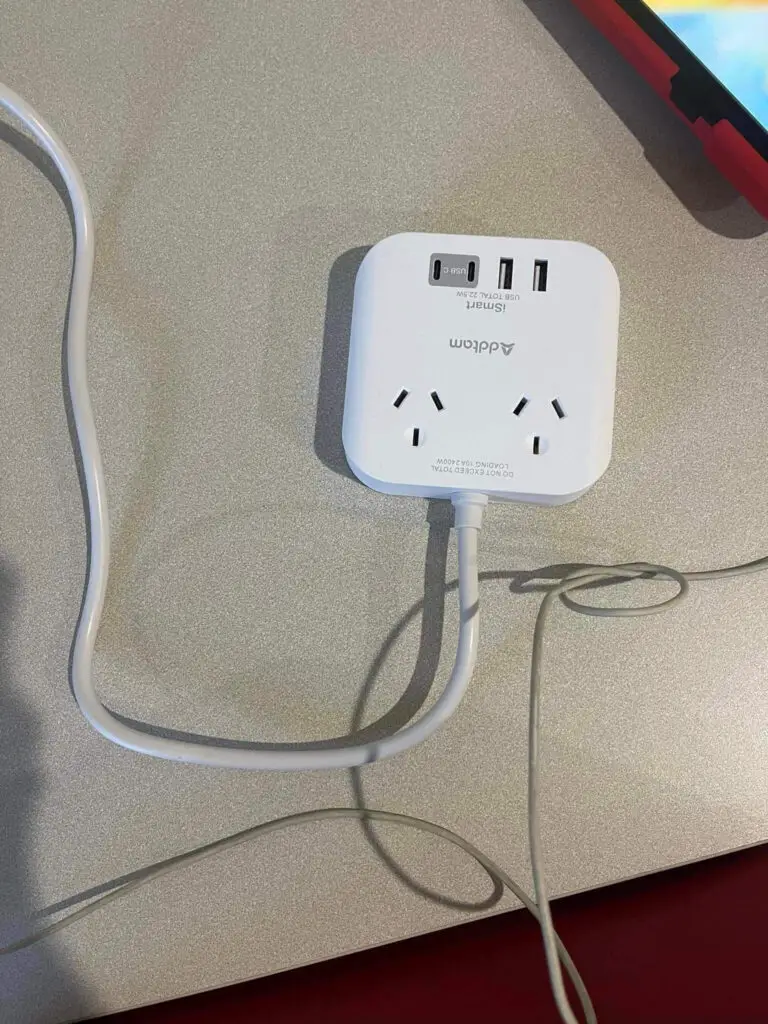
Before packing, check the list of prohibited items on every cruise ship.
Cruise ships ban many objects that passengers routinely use at home.
Common examples include irons, clothes steamers, candles, heating appliances, and most extension cords or power strips with surge protection.
Weapons, fireworks, illegal drugs, and other dangerous objects are obviously prohibited as well.
Some cruise lines also restrict drones, satellite communication devices, and certain recreational equipment.
It’s worth checking the rules even if you cruise regularly because some things you used to be able to do on cruises are changing.
If security sees a questionable item during screening, your suitcase may be held instead of delivered.
You’ll then have to visit the security area, sometimes called the “naughty room,” to open the bag and explain what you packed.
10. Your cruise essentials
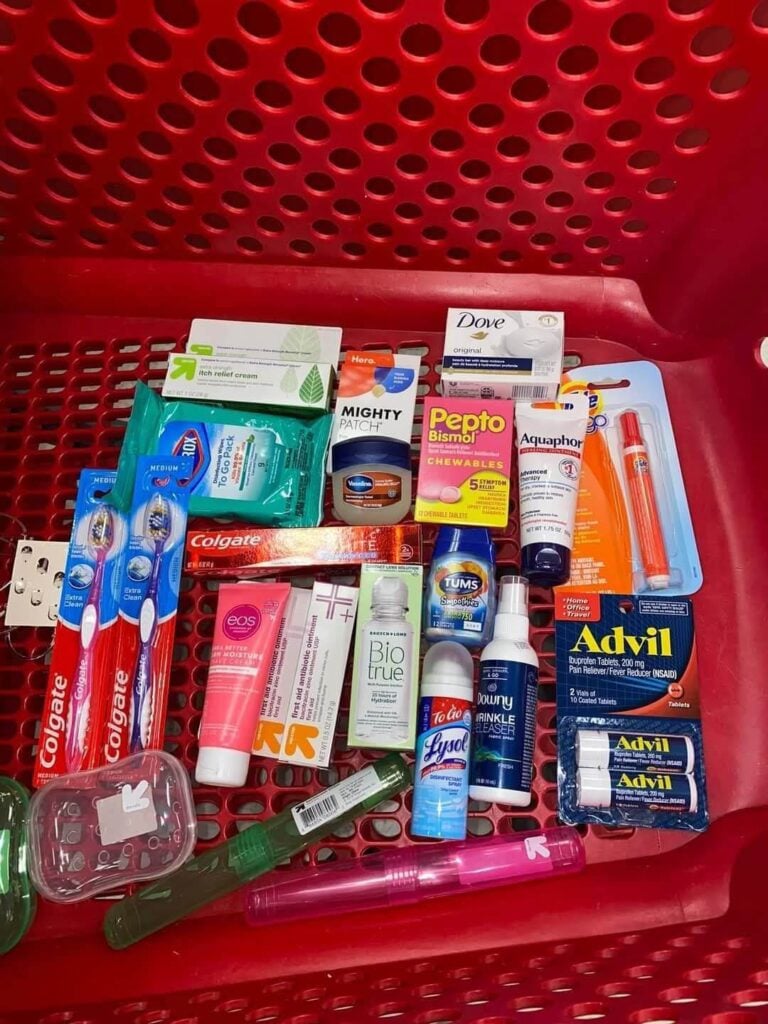
Finally, never check anything you absolutely cannot cruise without.
That could include your prescription glasses, contact lenses, house keys, travel insurance information, or the only copy of an important reservation.
It may also include a child’s comfort item or a piece of equipment you need for a planned activity.
Ask yourself one simple thing before handing over the suitcase: “Could I manage until tomorrow without what’s inside?”
Most bags arrive on embarkation afternoon, of course. But mistakes happen, tags fall off, and luggage sometimes goes to the wrong cabin.
Packing your carry-on as though the checked bag might be late gives you a useful safety net.
Once you finally get into your room, there are also a few things you should always do before your cabin steward arrives. Getting organized early makes the first afternoon onboard much easier.
I also recommend attaching a sturdy luggage tag and placing a second label with your name, phone number, ship, and cabin number inside the suitcase.
If the outside tag gets damaged, crew members will still have a way to identify the owner.