
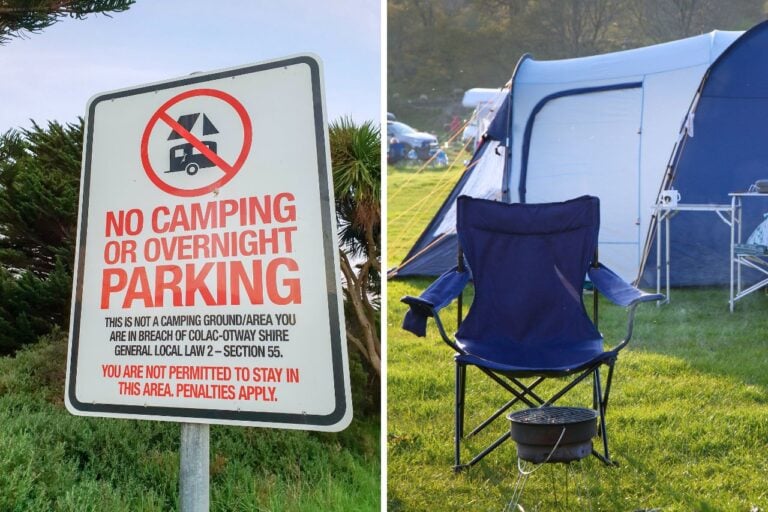
There’s something about pulling into a campground that makes you relax almost immediately.
Suddenly, whatever was bothering you back home feels a little less important.
That’s part of the appeal. But it’s also how a few bad decisions sneak in.
Most campground dangers don’t start with some dramatic wilderness survival situation. They start with very small things.
Whether you sleep in a tent or bring an RV, these are seven things you really don’t want to gamble with.
1. Going to Bed With a Campfire Still Smoldering
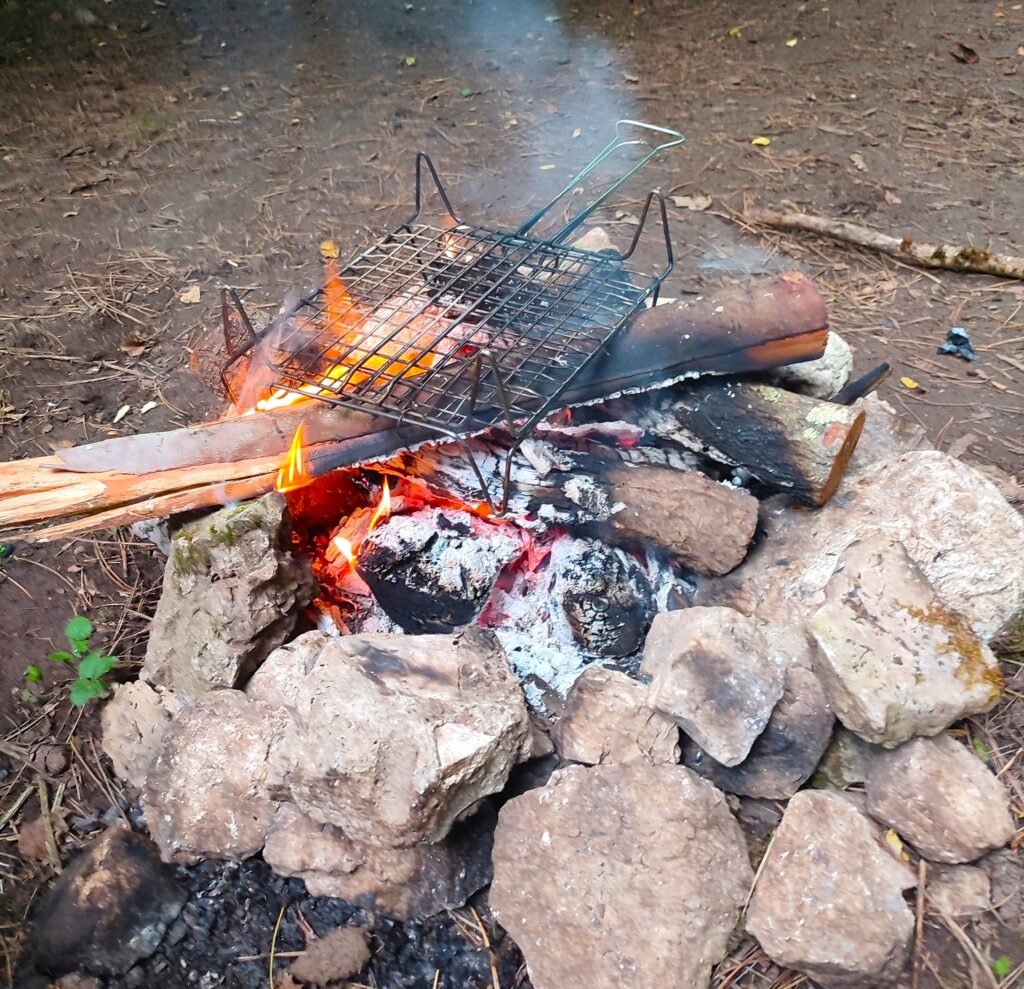
The flames have disappeared. There’s just a little orange glow under the ashes, and honestly, you’re tired. It’s tempting to call that good enough.
It isn’t. Coals can hold heat for hours, and a gust of wind can bring a seemingly finished fire back to life.
That fire ring helps contain a fire, but it doesn’t stop every spark from escaping.
Before bed, pour water over the embers, stir them, and add more water until everything is cold.
Don’t just toss a little dirt on top and assume the job is done. Buried coals can stay hot.
And never leave a burning fire unattended while you head to the showers or take the dog around the loop. Even for a few minutes.
If you’re too tired to put the fire out properly, you’re too tired to keep it going.
2. Bringing a Grill or Camping Stove Inside
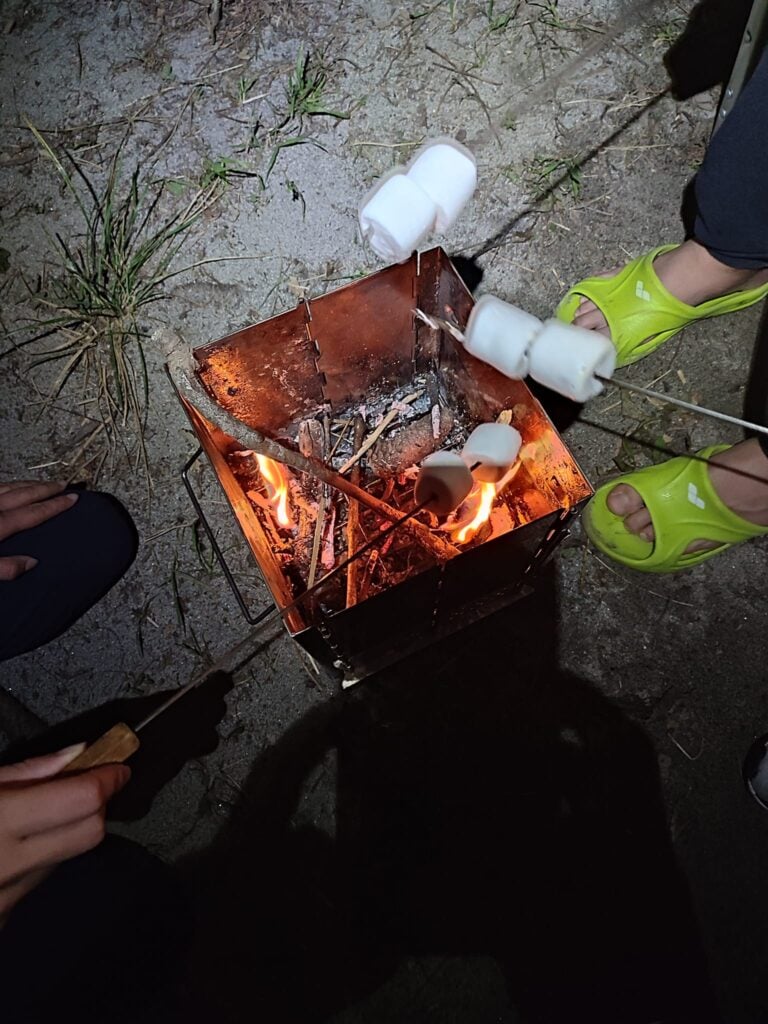
Rain starts falling right as you’re making dinner. Moving the stove into the tent entrance seems like an easy fix.
Or maybe the night turns cold and that warm charcoal grill looks pretty useful.
This is one shortcut that can turn deadly.
Fuel-burning equipment can produce carbon monoxide, a poisonous gas you can’t see or smell.
Never use a charcoal grill or portable fuel-burning camp stove inside a tent or camper. Cracking a window doesn’t make it safe.
Portable generators need careful placement, too. Keep them outdoors, at least 20 feet from doors, windows, and vents, with exhaust directed away from occupied spaces.
For an RV, keep the carbon monoxide alarm working and follow the manufacturer’s instructions for installed appliances and generators.
An RV oven is for cooking, not heating the camper. If the weather makes your setup unsafe, change the dinner plan!
3. Leaving Food Outside or Feeding Wildlife
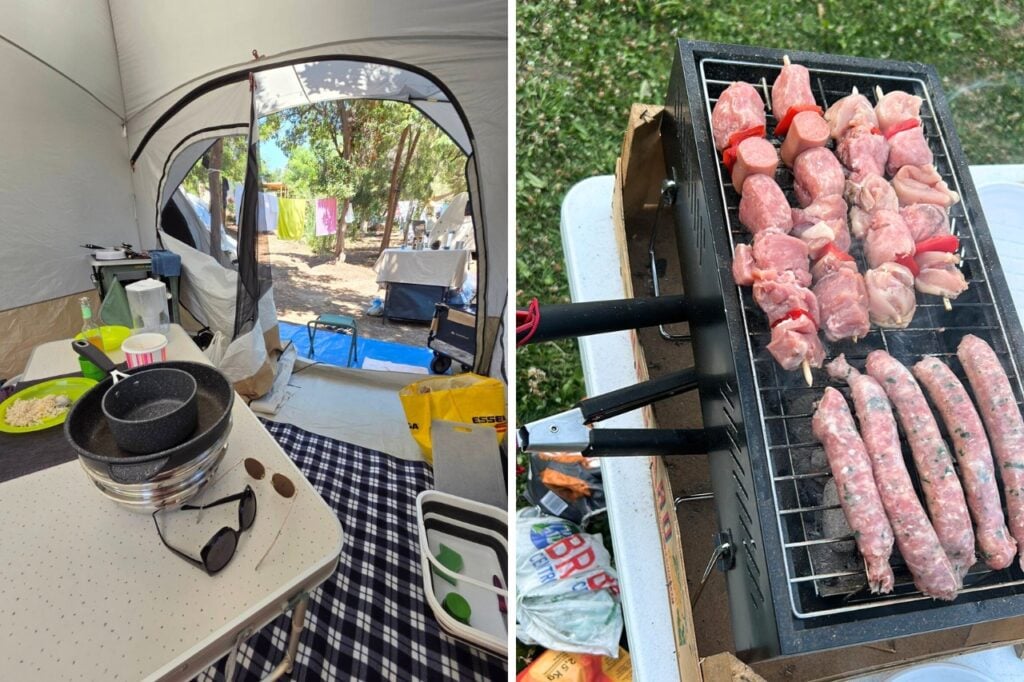
A trash bag tucked behind a chair until morning looks like a little mess for people but an invitation for animals.
Leaving food accessible can bring wildlife right into the part of your campsite where people are eating, sleeping, and walking around in the dark.
Feeding animals makes things worse by teaching them to approach people for another meal.
And no, looking cute doesn’t make an animal safe to touch.
Put food, trash, pet food, and other scented items away according to the campground’s rules.
In bear country, that may mean using the provided food locker or an approved bear-resistant container. A regular cooler sitting outside is not automatically secure.
Keep snacks out of your tent, too. An emergency midnight cookie can wait somewhere else.
4. Waiting Out a Thunderstorm in Your Tent
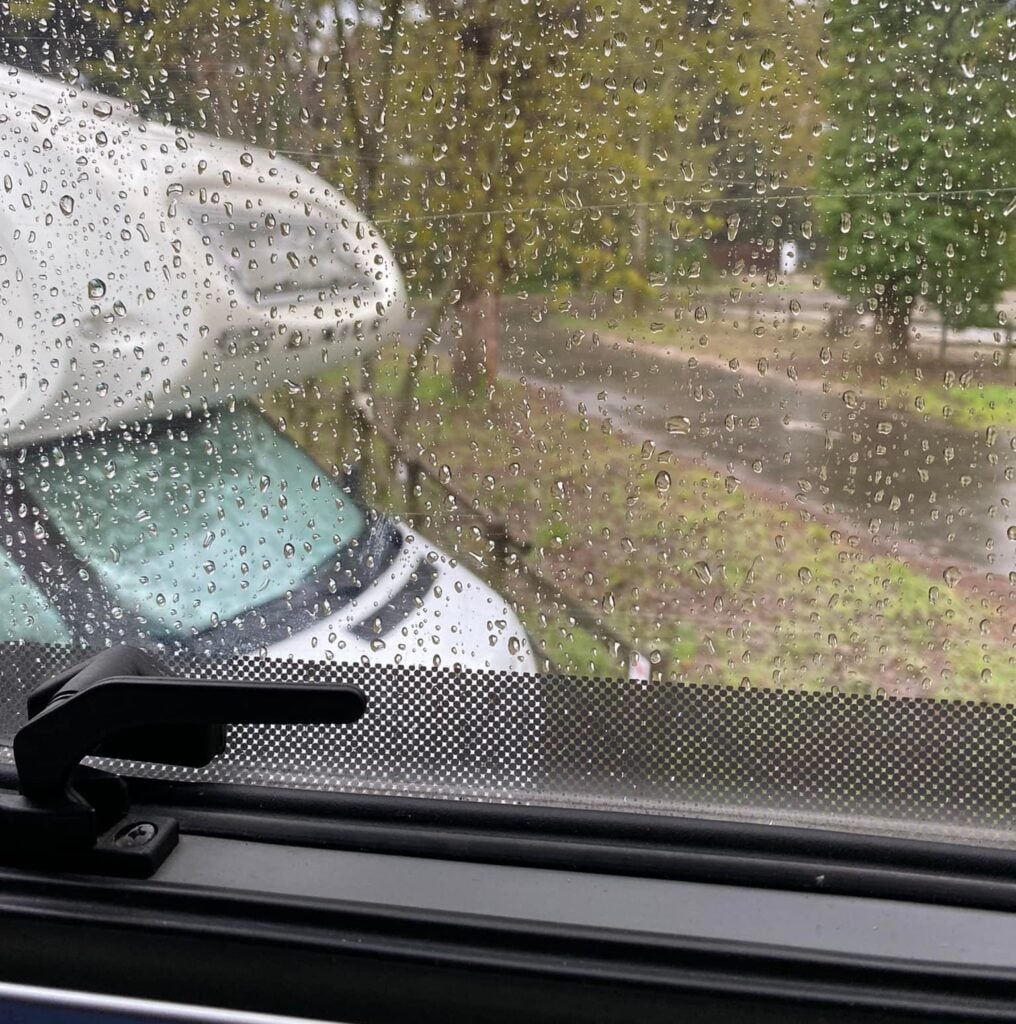
A tent can keep rain off your sleeping bag. That doesn’t make it safe shelter from lightning.
The same goes for an open picnic pavilion or the space beneath your RV awning. Being dry and being protected are two different things.
When you hear thunder, head for a substantial enclosed building or an enclosed, metal-topped vehicle with the windows closed. Don’t wait for the storm to move directly overhead.
Stay sheltered for at least 30 minutes after the last thunder. Yes, waiting is annoying when the sky already looks brighter. Still worth doing.
When you arrive, figure out where you’ll go if a storm rolls through. It’s much easier to make that decision while you’re unpacking than while the strong wind is already there.
Checking the forecast is also one of the 10 most common camping mistakes people overlook, especially when camping in the mountains.
5. Diving Into Unfamiliar Water
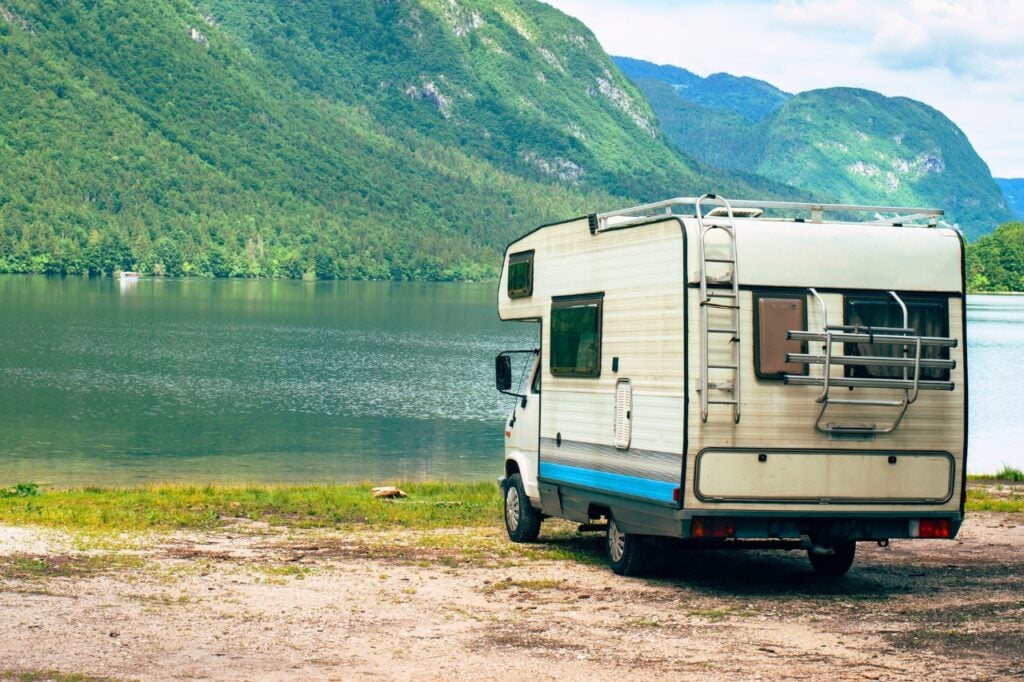
That swimming hole beside the campground might look perfect. Clear water, a few people splashing around, maybe a rock that looks made for jumping.
But you can’t judge depth, current, or underwater obstacles from a picnic table.
Never dive or jump into unfamiliar water. Rocks and submerged logs may be hidden below the surface, and rivers can be much stronger than they look.
Even getting close on slippery shoreline rocks can end with an unexpected fall.
Use designated swimming areas where available and pay attention to closures and warning signs. Keep children closely supervised around water, and wear a properly fitted life jacket when boating.
Also, save the drinks for afterward. Swimming after drinking is a bad combination, even if you’ve been swimming all your life.
And remember, water safety isn’t just about swimming. Even choosing a campsite with poor drainage can create problems. Some of the worst campground setups become dangerous when heavy rain arrives.
6. Setting Up Beneath Dead Branches
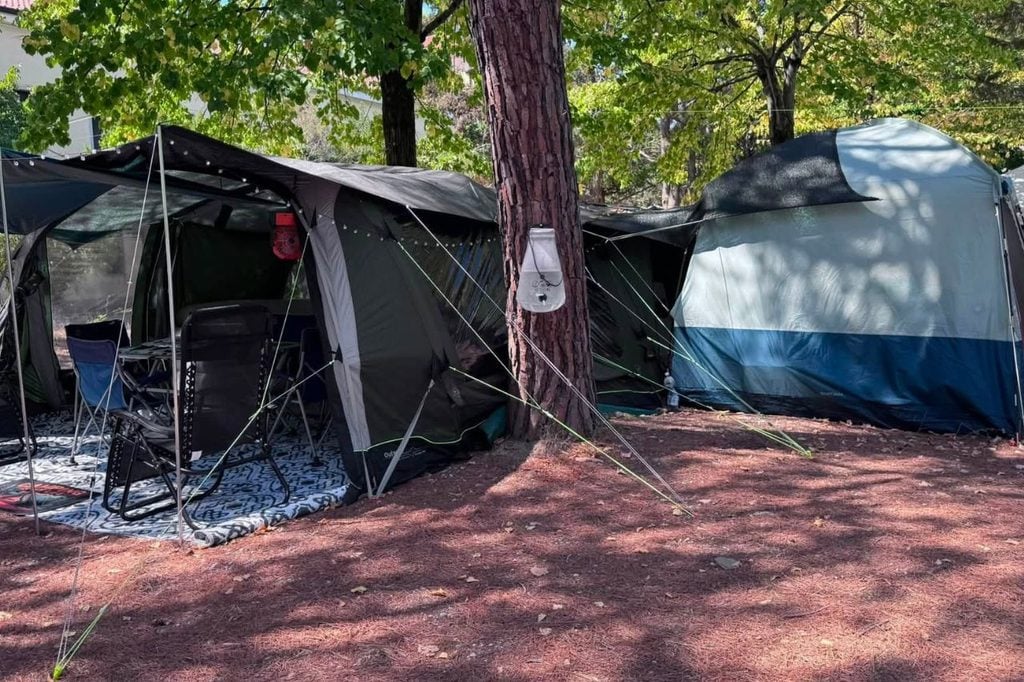
Shade is valuable at a campground. Especially when your tent starts feeling like an oven by nine in the morning.
But before choosing that lovely spot beneath a tree, look up!
Large dead branches, hanging broken limbs, and damaged trees can be dangerous.
Wind can bring them down, and your tent offers very little protection from something heavy falling overhead.
If a tree or branch looks questionable, tell the campground host and ask about another spot. Never climb up or try to remove it yourself.
It’s one of the reasons why there are 7 important things you should always check when arriving at a campground before you start unpacking everything.
7. Using Gasoline to Get a Campfire Going
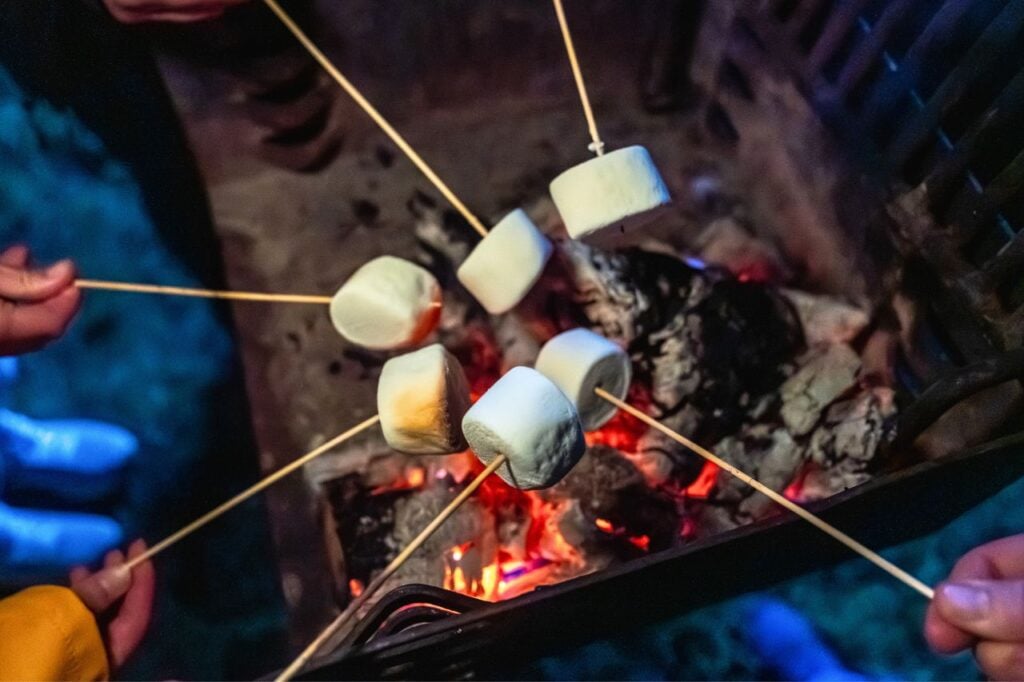
The wood won’t catch, and somebody suggests adding a little gasoline.
Absolutely not a good idea!
Gasoline can ignite suddenly and cause severe burns. Never pour it onto wood, hot coals, or an existing flame. Don’t add lighter fluid to a fire that’s already burning, either.
Start with dry tinder, kindling, and a suitable fire starter allowed by the campground.
Build a small fire and give it time. If your wood is too wet, forcing the issue with fuel is not the answer.
Check current fire restrictions before lighting anything. A fire ring doesn’t mean fires are allowed that day, especially during dry or windy weather.
In fact, some campground rules about campfires can surprise even experienced campers, particularly when it comes to firewood and seasonal restrictions.
Sometimes the right camping decision is skipping the campfire entirely. You can still pull up a chair, eat something good, and enjoy the evening. The marshmallows will survive another night.
Camping should give you a break from everyday stress.
A few sensible habits help keep it that way, without turning the whole trip into a safety lecture. Put the food away, put the fire out, and pay attention when the weather changes. Then get back to enjoying why you came.