
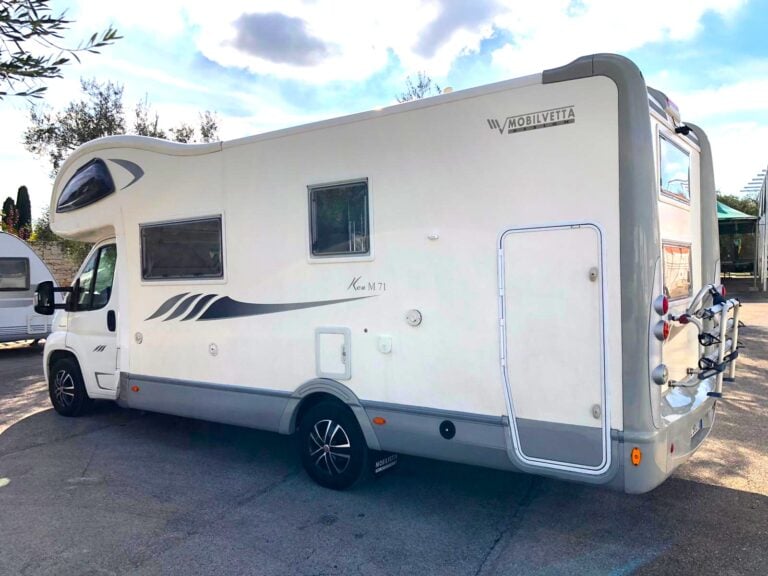
RV travel feels free, that is part of the whole appeal.
Park somewhere pretty, open the awning, make coffee, and enjoy the view. It all seems simple.
But the truth is, a lot of RVers break rules without even knowing it. Not because they are trying to cause trouble. Usually, it’s just because something looks harmless, or because “everyone does it”.
Here are 10 things RVers do all the time without realizing they can actually get them fined, ticketed, or told to move.
1. Sleeping overnight where overnight parking is not allowed
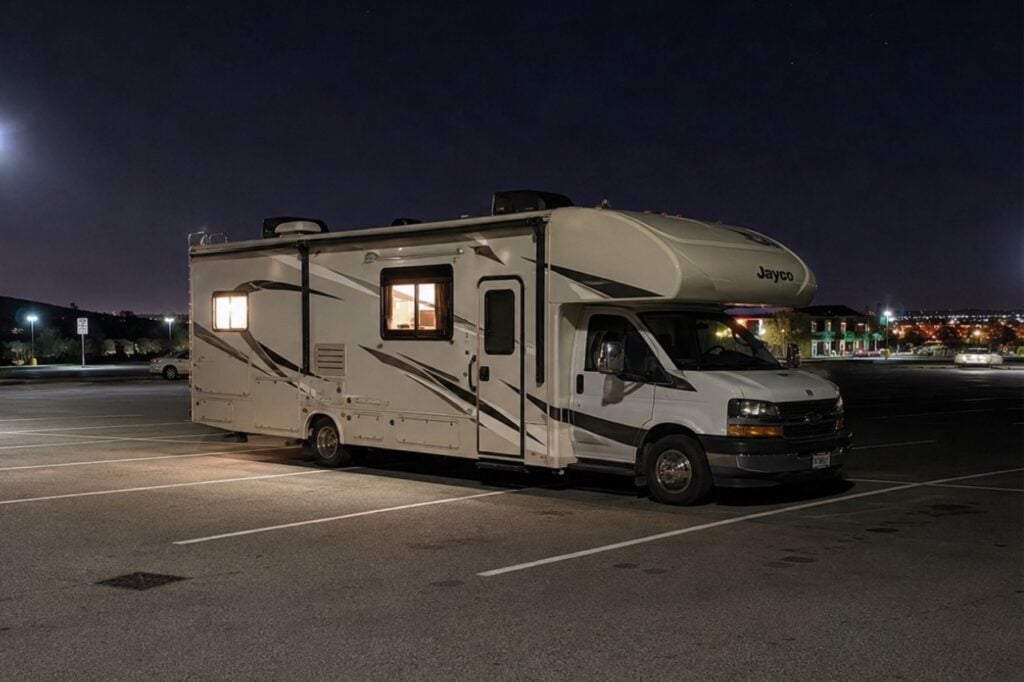
This one catches a lot of people.
A parking lot might feel like a safe and easy place to stop for the night. Maybe it’s a store lot, a shopping center, or even a quiet public area where other RVs are already parked.
That doesn’t automatically make it legal.
In many places, overnight sleeping inside a vehicle is not the same as simply parking it. Some cities are fine with it. Others are very much not.
There may be local ordinances banning overnight occupancy, even if the parking itself looks normal during the day.
2. Dumping gray water on the ground
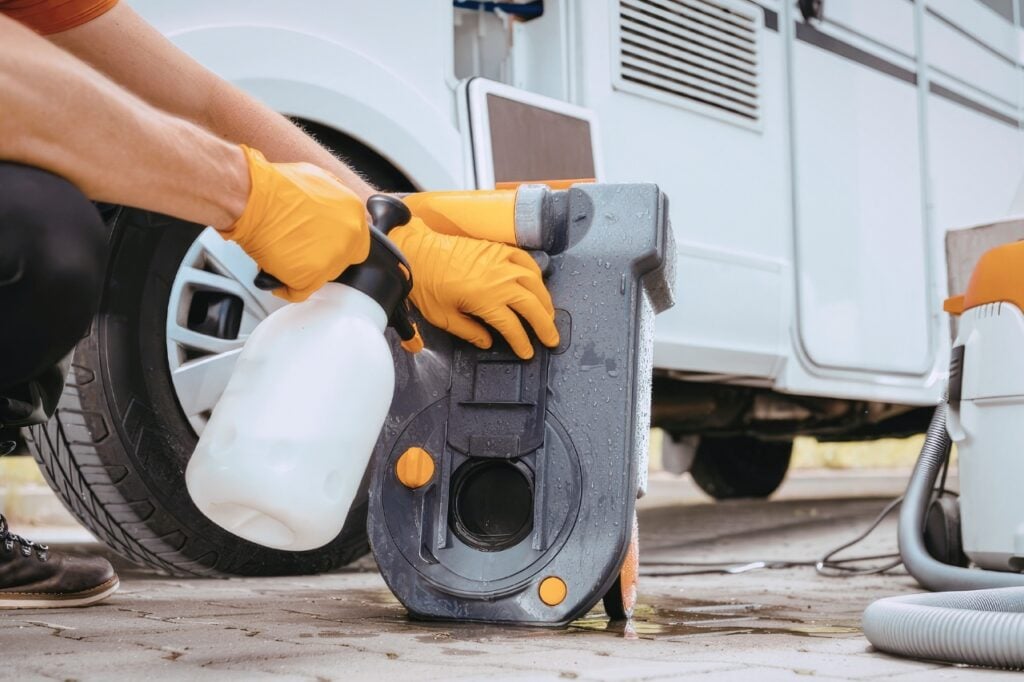
A surprising number of people still act like gray water is no big deal because it is “just sink water” or “just shower water.”
But in many areas, dumping gray water on the ground is strictly prohibited. Even if it looks clean. Even if it is only a little. Even if it is on dirt and not pavement.
Gray water can contain soap, grease, food particles, and other stuff that local laws don’t want going into the soil or nearby waterways. On public land especially, this can be a fast way to get in trouble.
3. Running a generator during prohibited hours
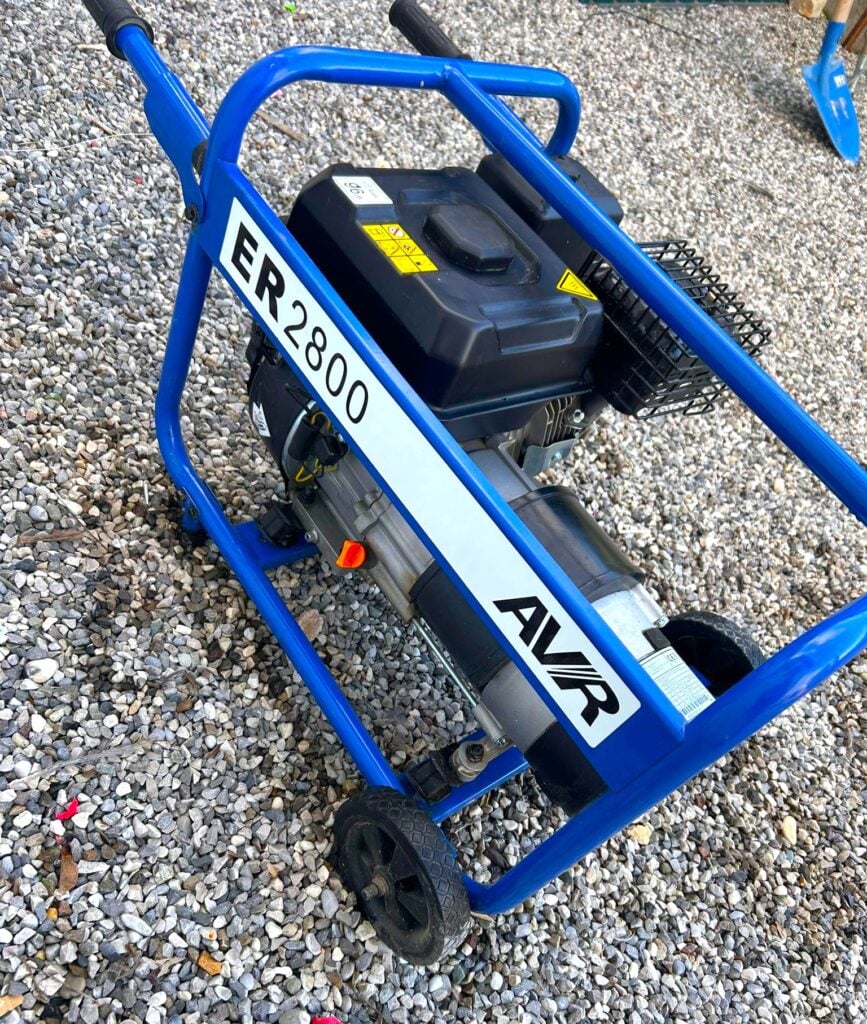
Some RVers think quiet hours are just campground etiquette. But sometimes they are actual enforceable rules.
If a campground, public park, or overnight area has posted generator hours, ignoring them can be more than just rude. It can be a violation of the rules tied to the property.
In certain places, noise ordinances can also apply, especially late at night.
That little generator may not sound very loud from inside the rig. Outside, though, it can sound like a lawnmower parked next to someone’s pillow.
4. Letting pets off-leash in areas that require leashes
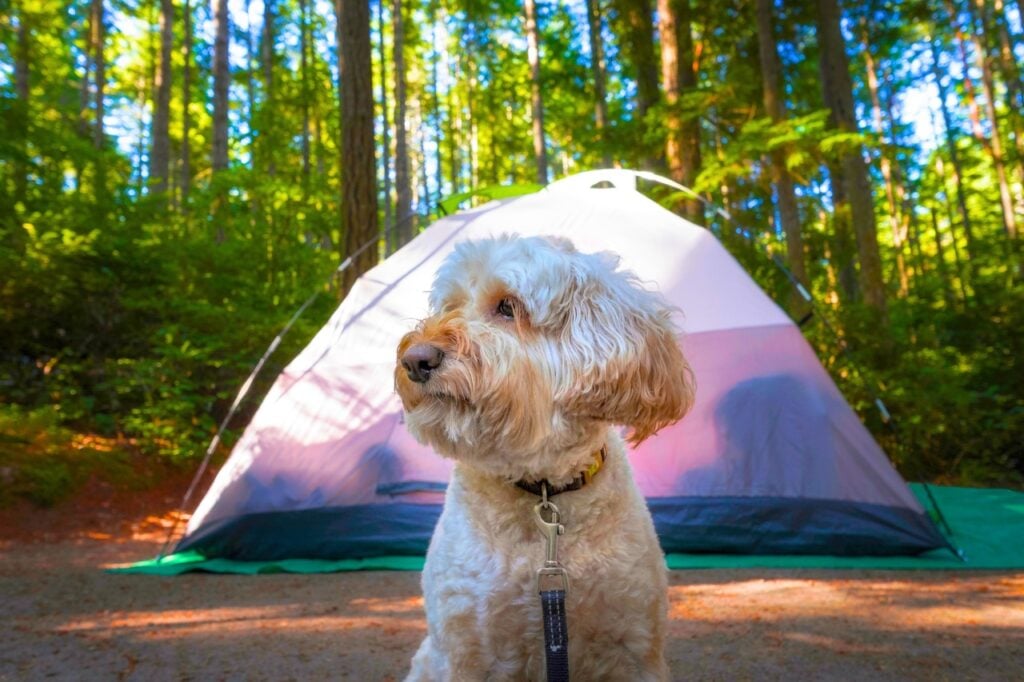
This is one of those things people excuse because their dog is “friendly” or “well trained.” The law doesn’t care.
If a campground, trail, beach, or public area requires pets to be leashed, then they need to be leashed. Even if the dog stays close, and even if no one else is around.
A lot of RV travelers spend time in parks and outdoor spaces where leash laws are taken seriously.
5. Parking in a spot that is too small and sticking out into traffic
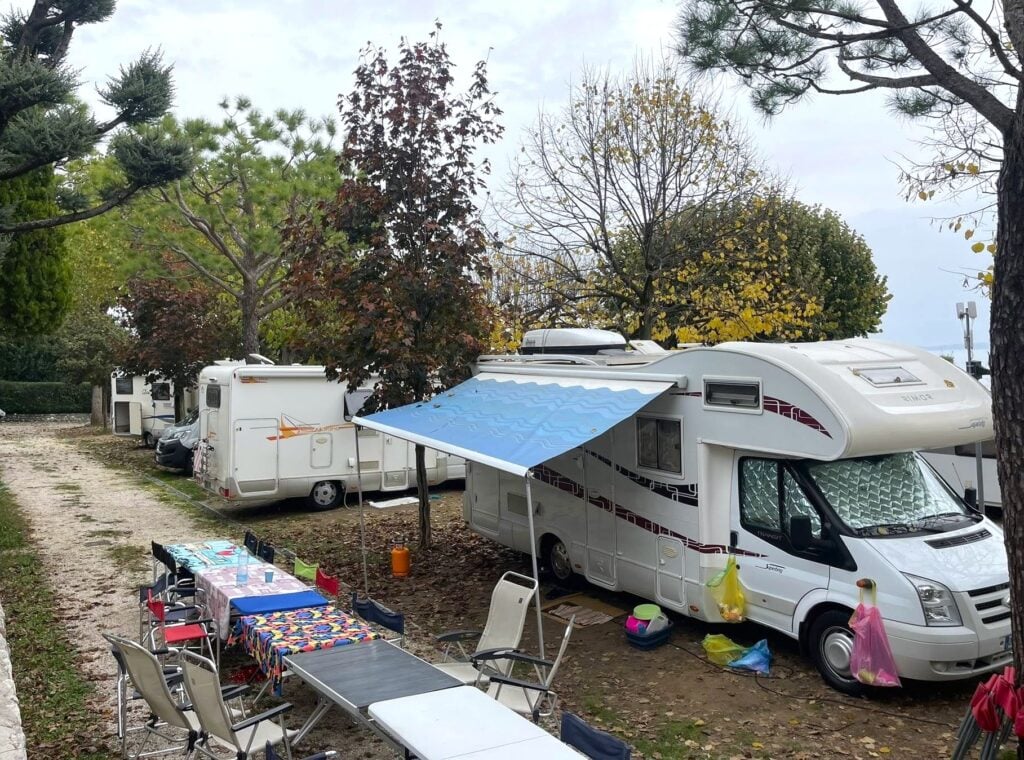
Sometimes the only available space is a tight one. So people make it work. Or try to.
But if the RV, trailer, bikes, or rear cargo rack sticks out in a way that blocks traffic, sidewalks, fire lanes, or access areas, that can become a legal issue pretty quickly.
It’s not just inconvenient. It can be considered unsafe or illegally parked.
This is especially common in beach towns, scenic overlooks, and crowded tourist areas where RVs really were not meant to fit in the first place.
Just because it technically fit enough to stop doesn’t mean it was legal to leave it there.
6. Using an awning, chairs, or grill in places where parking is allowed but camping is not
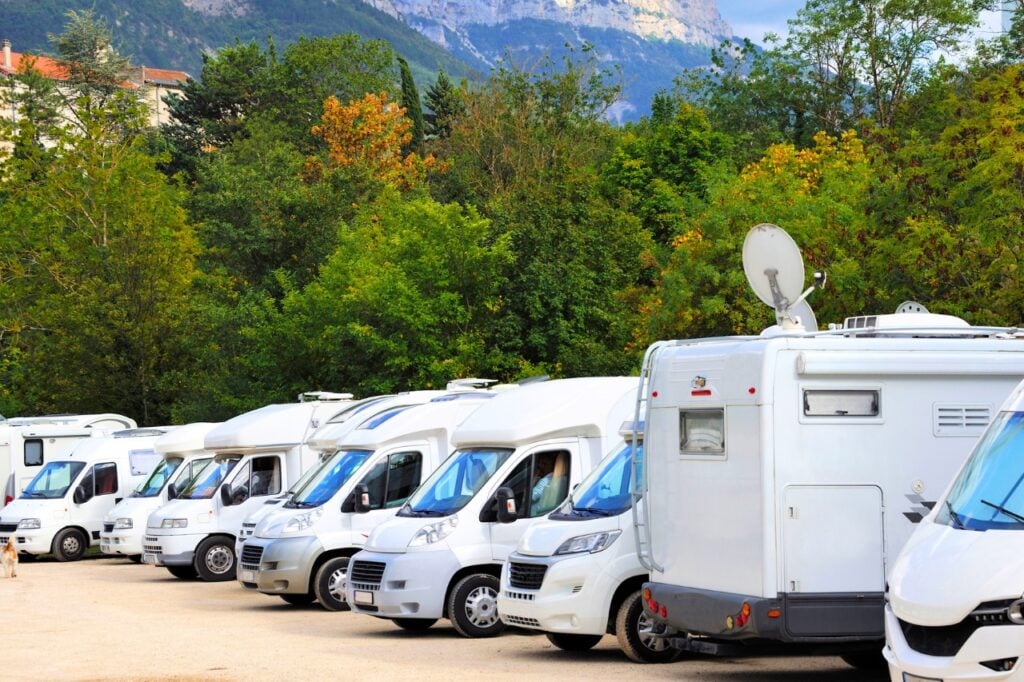
This is a big one, and a lot of people miss it.
In some places, you are allowed to park an RV, but not allowed to “camp.”
The problem is that the definition of camping can include putting out chairs, extending slides, lowering stabilizers, using grills, or opening the awning.
So someone may think they are just taking a quick break, while the local rules see it as setting up camp.
That is why the same RV can be totally fine when it’s just parked, then suddenly in violation the moment it starts looking lived in.
For longer stays, it is usually better to choose a proper campground instead of trying to turn a parking spot into one.
Some places even offer small extras if travelers know what to ask for, including these free things RVers can ask for at campgrounds.
7. Driving with propane on where it’s prohibited
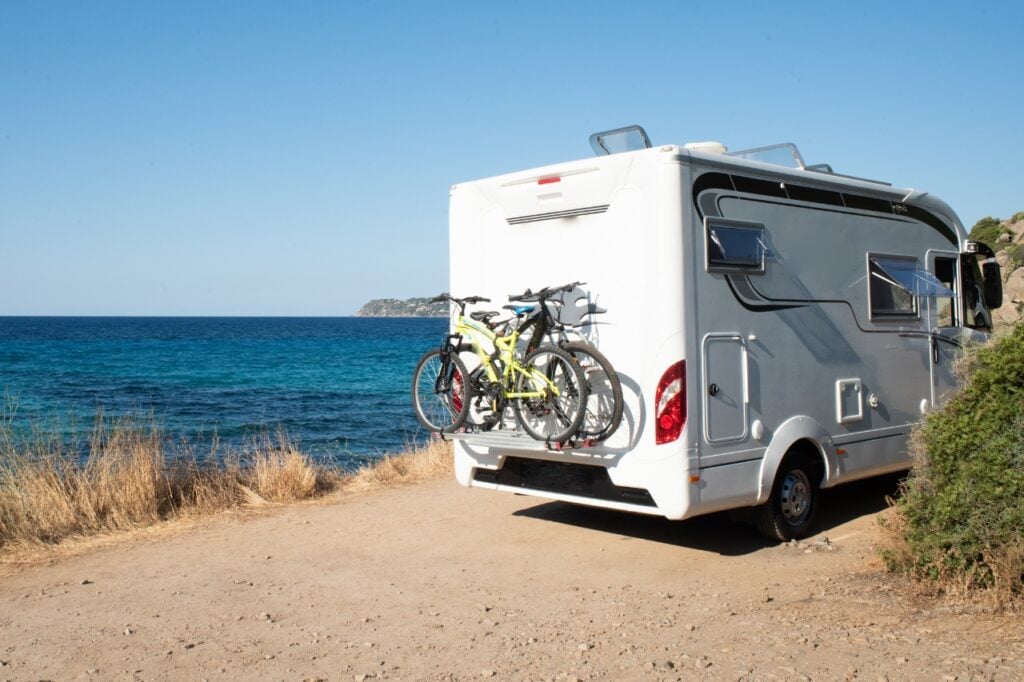
There are places where propane use, or even propane valves being left open, is restricted while driving.
Tunnels, ferries, bridges, and some fuel stations can have specific rules about this. Some require tanks to be shut off before entering. Others limit how much propane can be carried.
A lot of RVers simply forget, or maybe never learned, that these rules exist.
It’s not the kind of mistake that always gets noticed, but when it does, it can become a serious one.
8. Exceeding weight limits without realizing it
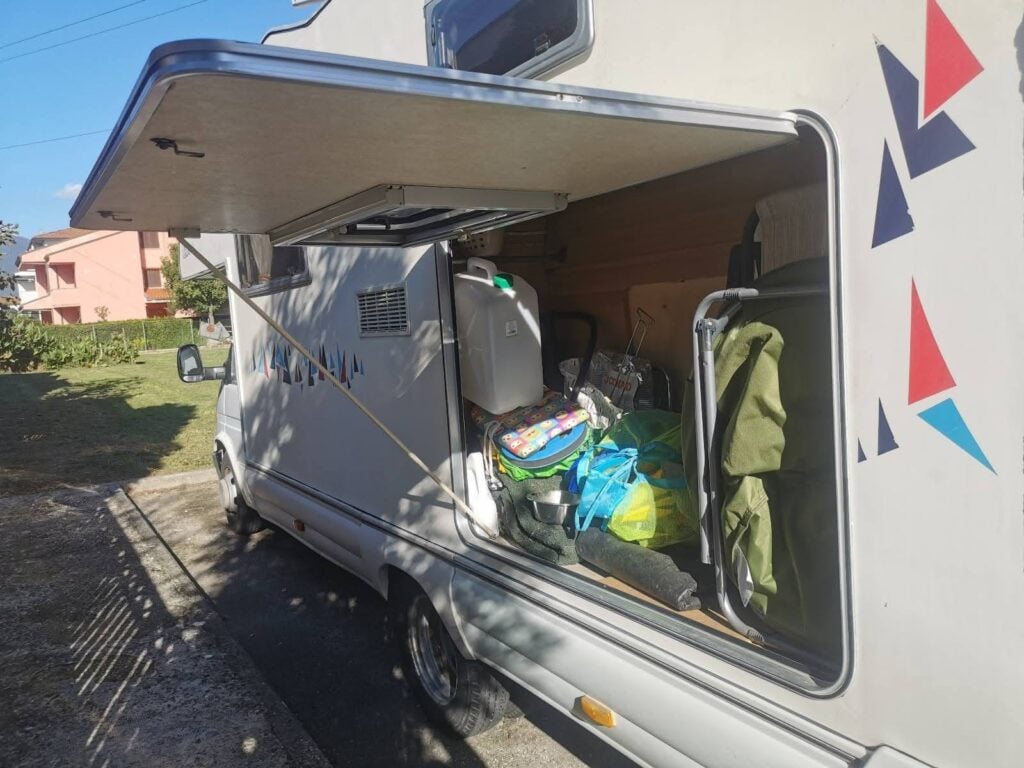
This sounds boring, but it matters more than people think.
Many RVs are heavier than expected once they are loaded with clothes, tools, water, food, extra batteries, bikes, and all the random stuff that somehow ends up coming along.
The same goes for trailers packed way beyond what the tow vehicle should safely handle.
People think of this as a safety issue, and it is, but it can also be a legal one. Overloaded rigs may violate road laws, vehicle regulations, or axle weight limits.
In an accident, that can become a very big problem.
This starts before the first trip, too. Choosing the wrong size, ignoring towing limits, or buying more RV than the vehicle can safely handle are some of the biggest mistakes to avoid before buying an RV.
9. Ignoring local fire restrictions
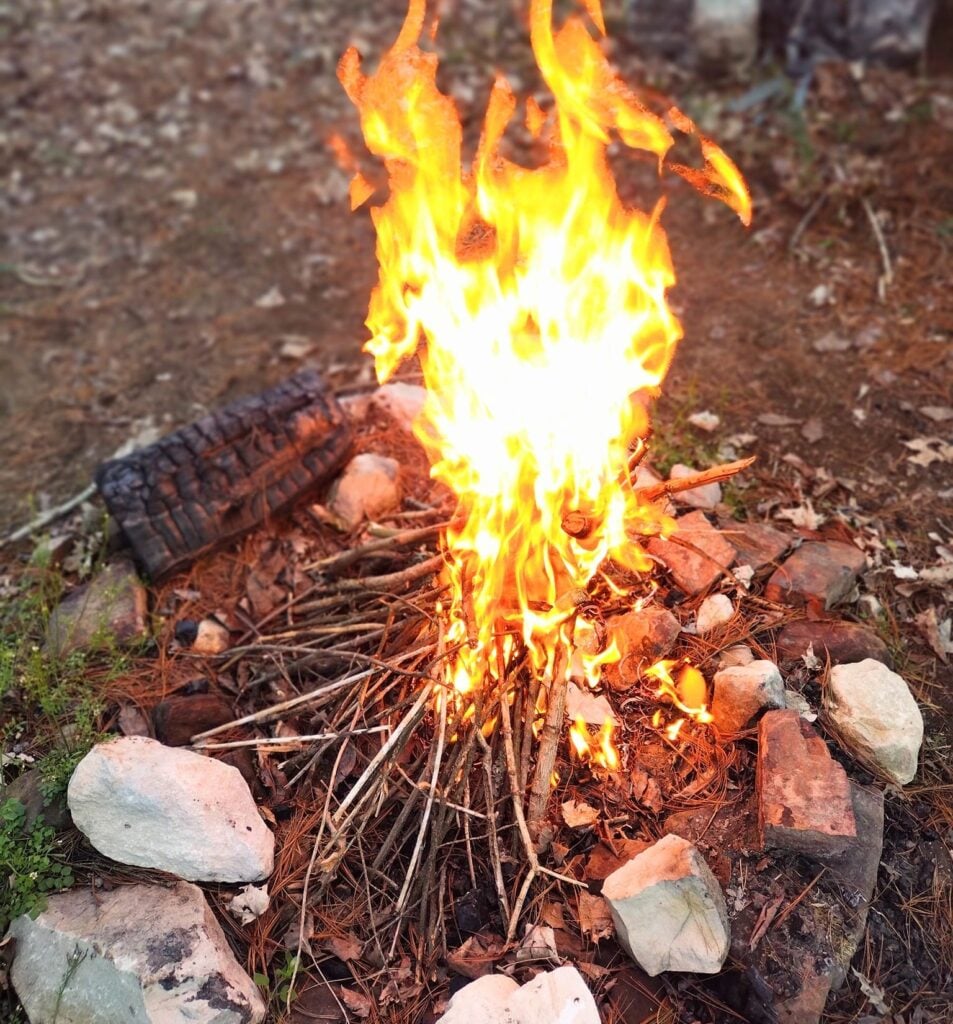
There is something very RV about wanting a fire at the end of the day, but it’s not always allowed.
In dry seasons or wildfire-prone areas, local fire bans can apply to campfires, charcoal grills, wood stoves, and sometimes even propane fire pits.
The rules can change quickly, too. What was allowed last week may be banned now.
Some people assume a fire ring means fire is permitted. Not always. Some assume a small flame does not count. Also not always.
10. Staying too long on public land
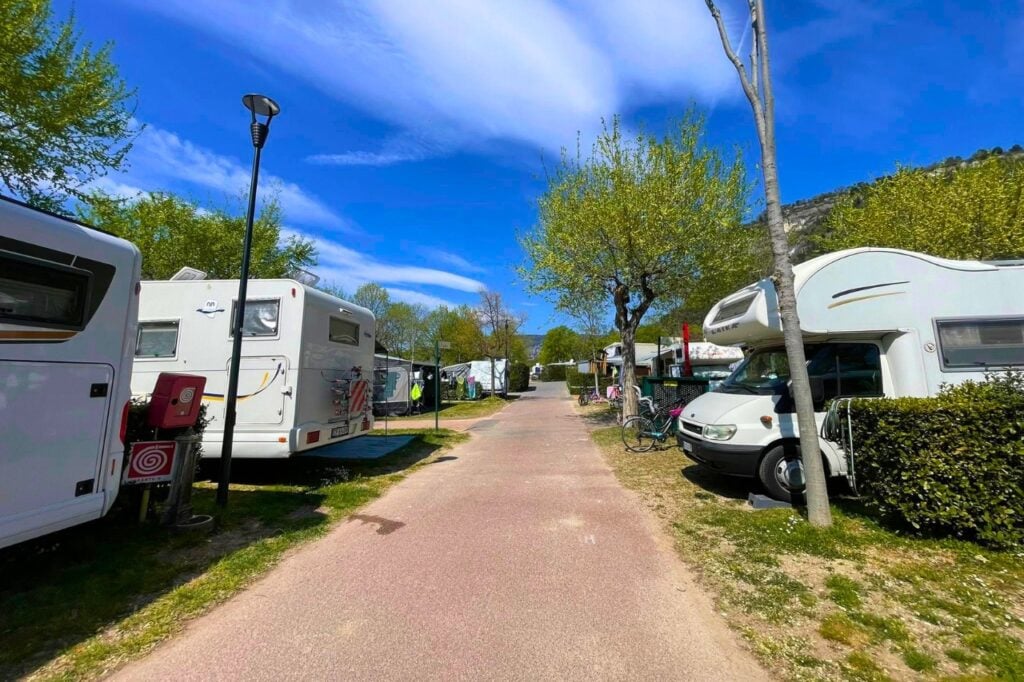
Boondocking is one of the best parts of RV life for many people. Quiet views, no crowds, no campground noise, just space.
But public land usually comes with stay limits, and ignoring them can absolutely become a problem.
Many public areas have rules like 7 day, 14 day, or 21 day maximum stays, often with required distance before returning. These rules are easy to overlook, especially when no one comes by on day one to explain them.
But staying past the limit is still staying past the limit.
A lot of people do it by accident. They settle in, lose track of time, and assume that if nobody said anything, it must be fine. That’s not always how it works.
We know most RVers are not trying to break laws. Usually, it’s just a mix of habit, bad advice, old information, and the fact that RV rules can change from one town, campground, or public area to the next.
Still, knowing these things ahead of time makes life on the road a whole lot easier. Fewer awkward knocks on the door. And a much better chance of keeping the trip fun instead of unexpectedly expensive.
The good news is that there are still plenty of affordable and even free RV options out there, as long as travelers check the rules first.
These free RV campsites with hookups are a good example of why reading the details matters before settling in.