
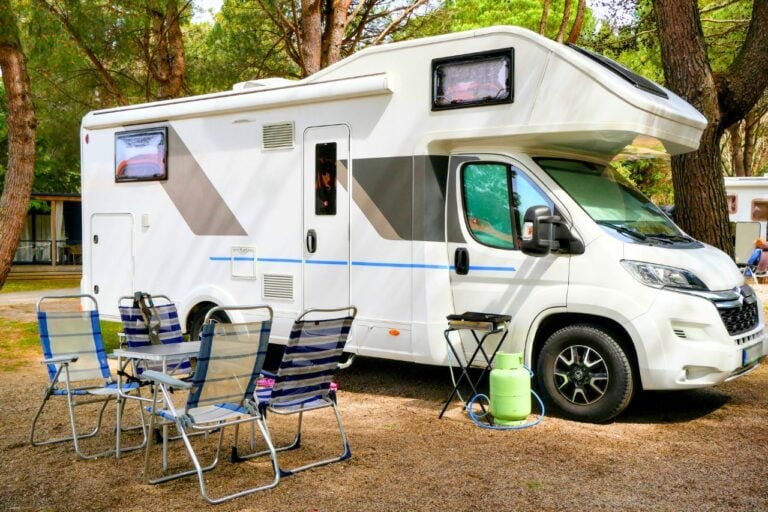
Camping is usually something people spend money on. You pay for the campsite, fuel, food, equipment, and all those little things you somehow forgot to pack.
But what if camping could also help you earn money?
It sounds a little strange at first, but plenty of people make money while living in an RV, traveling in a camper van, or spending a season at a campground.
Some do it to fund a long road trip. Others simply want to stay outdoors longer without watching their savings disappear.
You probably won’t get rich overnight. Still, earning enough to cover your campsite, fuel, or groceries can make a huge difference.
Here are seven realistic ways to get paid while camping.
1. Try Workamping at a Campground
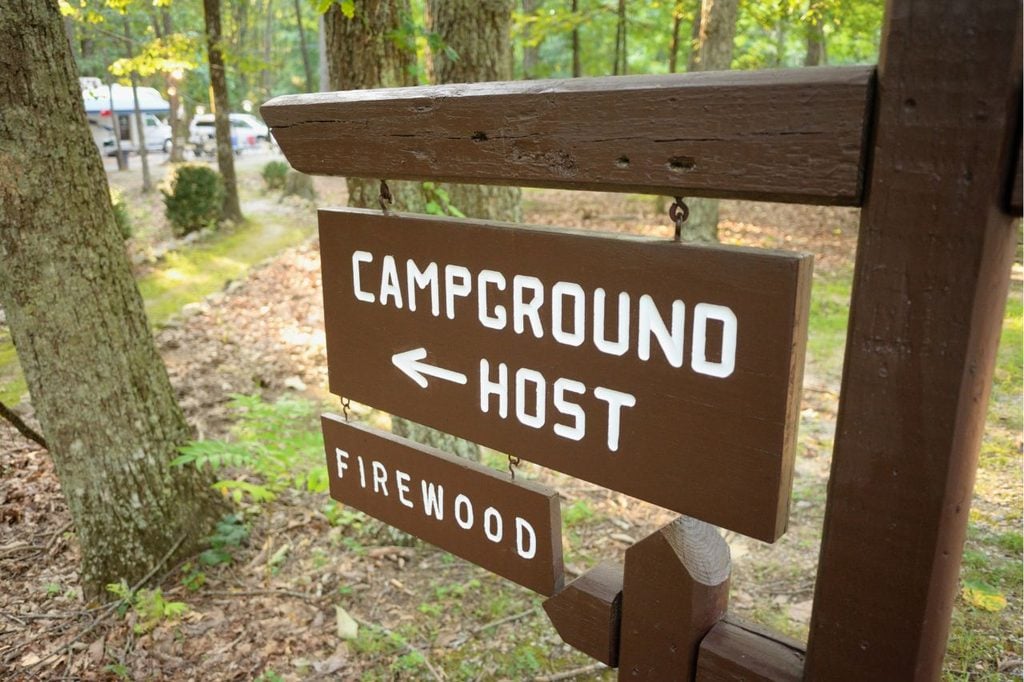
Workamping is probably the most obvious place to start.
It usually means working at a campground, RV park, national park concession, or seasonal resort while living in your RV or camper.
In many cases, you receive a free or discounted campsite in exchange for a certain number of work hours.
Some positions also include hourly pay.
The actual work can vary quite a bit. You might help guests check in, clean campsites, maintain trails, answer questions, take reservations, or help with basic repairs around the property.
Campgrounds often hire couples because two people can cover different tasks, but solo campers can find positions too.
Before accepting a workamping job, make sure you understand exactly what is included.
A “free campsite” may sound great, but not if you’re expected to work 35 hours a week without additional pay.
Ask about:
- The number of hours required
- Whether the site includes full hookups
- Hourly pay beyond the campsite exchange
- Laundry and Wi-Fi access
- The length of the commitment
- The exact duties you’ll be doing
Workamping can be a really good arrangement if you enjoy meeting other campers and don’t mind staying in one place for a few weeks or months.
You still get the campground lifestyle, but with far fewer expenses.
And honestly, some of the best camping friendships happen this way.
2. Work Remotely From Your RV
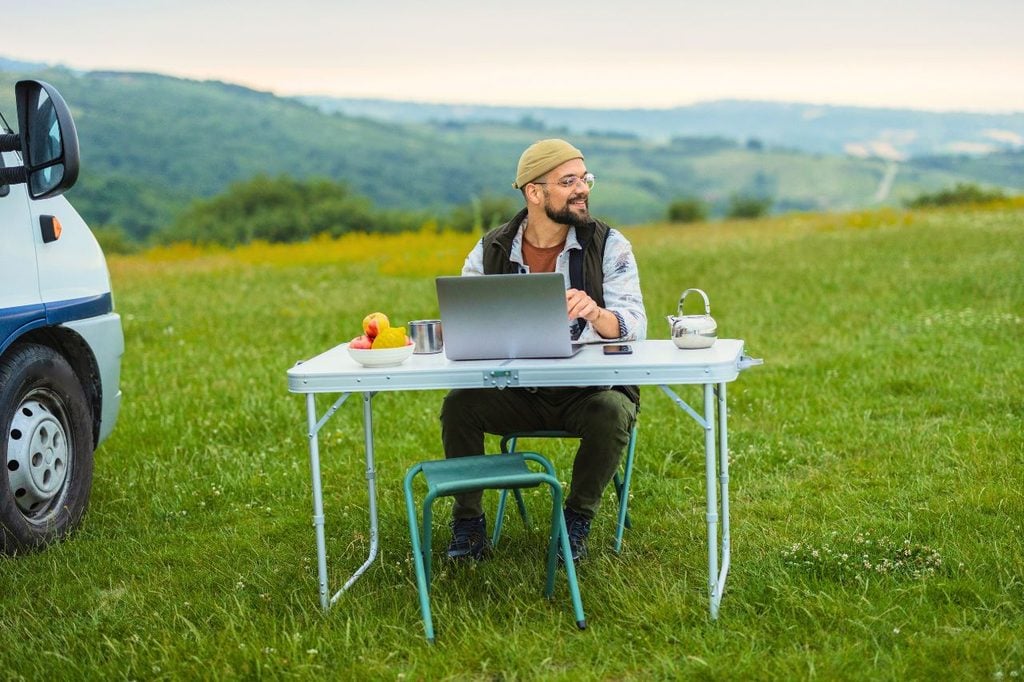
If your current job can be done from a laptop, you may not need a traditional camping job at all.
Remote work has made it possible for more people to travel while keeping a regular paycheck.
Writers, virtual assistants, designers, customer service agents, accountants, programmers, and social media managers can often work from almost anywhere.
The biggest challenge is usually the internet connection.
Campground Wi-Fi is not always reliable. Sometimes it works perfectly in the morning and then becomes painfully slow as soon as everyone returns from hiking.
If your job depends on video calls or large uploads, having a backup connection is important.
Many traveling workers use a combination of campground Wi-Fi, a phone hotspot, and a separate mobile internet device. It may take some experimenting to find what works for you.
You’ll also need a decent place to sit. Working for eight hours at a picnic table sounds peaceful until the wind starts blowing papers everywhere and mosquitoes discover your ankles.
Even a tiny RV workspace can make remote work much more comfortable.
3. Become a Freelance Writer or Content Creator
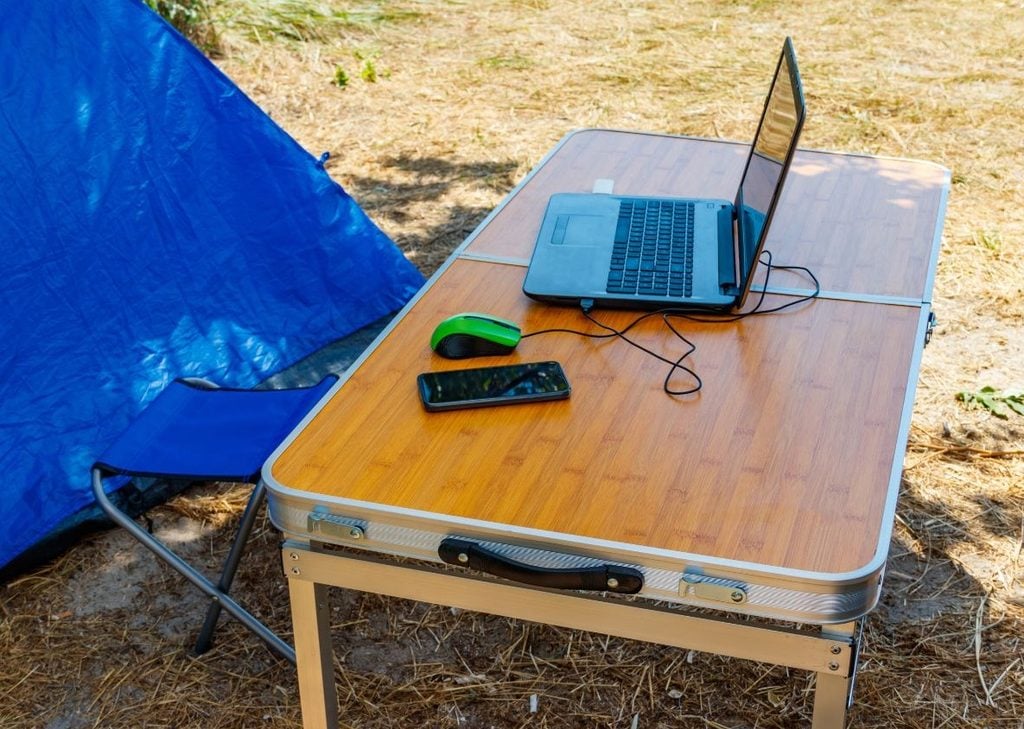
Camping gives you a lot to talk about.
You can write articles, create videos, take photographs, or share useful camping tips online.
Outdoor websites, travel blogs, magazines, equipment companies, and local tourism businesses sometimes pay freelancers for this type of content.
You don’t have to be a professional journalist either.
Real experience matters. If you know how to choose a campsite, cook outside, organize a small RV, or keep gear dry during a storm, you already have useful knowledge.
Building an audience usually takes time, and the first few months may bring very little income.
Still, every trip gives you new material. Even a rainy weekend can turn into an article about what not to do when setting up camp.
Sometimes the frustrating trips make the best stories, actually.
4. Sell Handmade or Practical Camping Items

If you enjoy making things, you can turn your campsite into a small creative workspace.
Some campers sell handmade signs, knitted items, jewelry, candles, pet accessories, outdoor decorations, or simple RV organization products.
You can sell online and ship orders when you reach the next town, or attend local craft markets during longer stays.
Storage space is obviously something to consider. Making large wooden signs inside a small travel trailer may not be the smartest plan.
Smaller products are much easier to manage when every cabinet is already full of camping gear.
In fact, experienced campers often stop packing these things they rarely use once they realize how quickly limited storage disappears.
Start with something simple and see if people actually want it before buying loads of supplies.
5. Offer Useful Services to Other Campers
Campgrounds are full of people who need small jobs done.
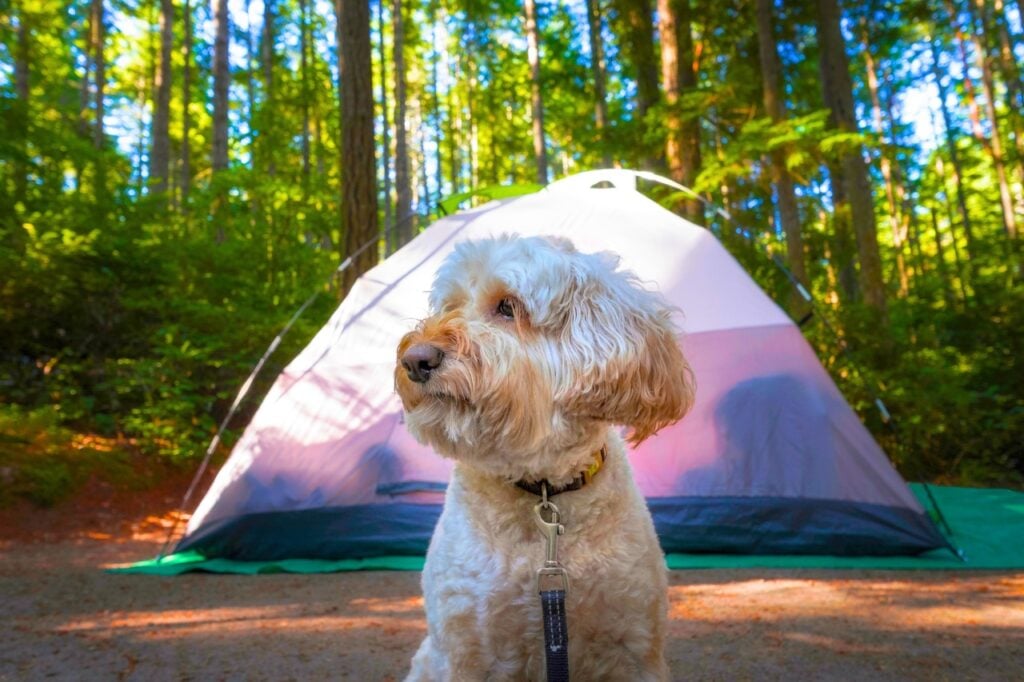
You might be able to earn extra money by offering RV cleaning, dog walking, minor repairs or campsite setup assistance.
Mobile RV washing can be especially useful in places where campers stay for several weeks.
Of course, you need to follow campground rules. Some properties do not allow guests to operate a business on-site, so always ask before advertising your services.
It’s also worth knowing the camping rules many people discover too late before offering anything around the property.
Stick with services you genuinely know how to provide.
If you’re traveling with photography equipment, you could offer quick family or pet photo sessions around the campground.
A nice outdoor setting is already there, and many campers would love a good picture that wasn’t taken at arm’s length with a phone.
6. Work Seasonal Jobs Near Popular Camping Areas
You don’t necessarily have to work for the campground where you’re staying.
Tourist towns, national park gateway communities, ski resorts, amusement parks, marinas, farms, and outdoor recreation companies often need seasonal workers.
These jobs may last for a few weeks or an entire season.
Common positions include:
- Restaurant and café work
- Retail jobs
- Tour assistance
- Equipment rental
- Marina work
- Harvesting and farm work
- Housekeeping
- Ticket sales
- Shuttle driving
Some employers provide an RV site or employee housing. Others may help you find an affordable campground nearby.
If keeping costs low is the priority, it may also be worth looking into free RV campsites with hookups in the area.
Seasonal work is a nice option if you want to explore one area slowly. Instead of rushing through a national park in two days, you could stay nearby for the summer and visit on your days off.
The downside is that popular areas can get busy. A job near a major attraction may involve long shifts and plenty of tired tourists.
But you’ll also get to know the area in a way most visitors never do.
7. Rent Out Camping Gear or Your RV
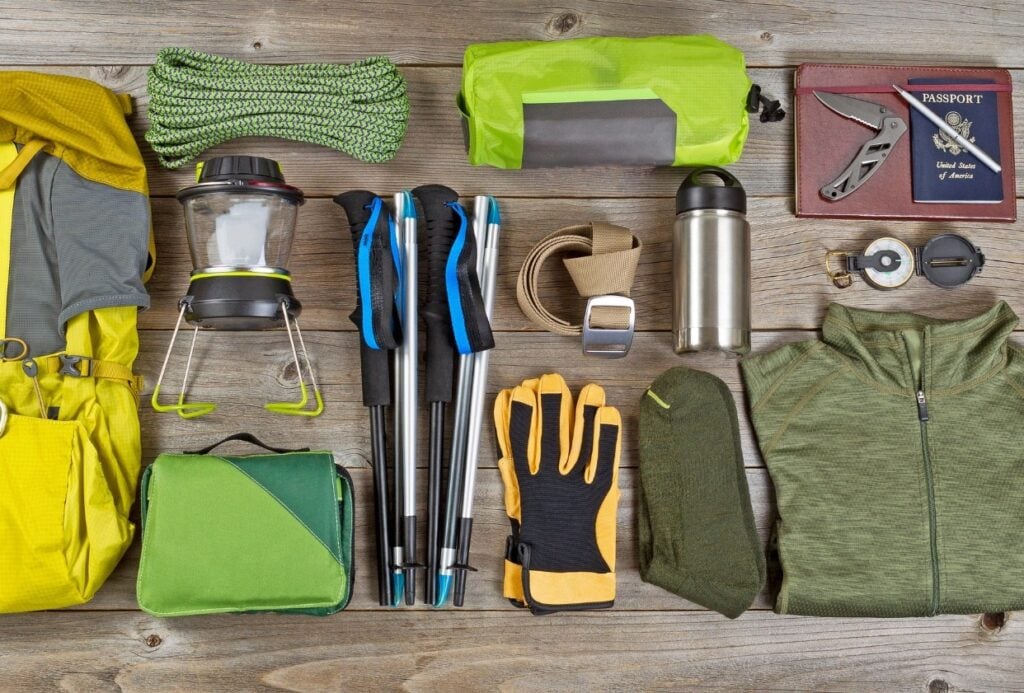
If you own equipment that sits unused for part of the year, renting it out could bring in extra money.
Tents, portable power stations, camping stoves, kayaks, bicycles, and complete camping kits may all appeal to people who want to try camping without buying everything themselves.
Some RV owners also rent out their campers when they aren’t using them.
This can generate more income, but it comes with more risk too.
Things get scratched. Equipment goes missing. A renter may not treat your RV with the same care you do.
Insurance is a big one here. Standard policies may not cover rentals, so check the rules carefully before handing over the keys.
You’ll also need to think about cleaning, deposits, maintenance, and where the exchange will take place.
If renting out your entire RV feels too stressful, begin with smaller items. A tent or camping kit is a lot easier to replace than a damaged motorhome.
It can also help to understand the mistakes people make before buying an RV before turning one into a rental investment.
Can You Really Make Enough Money While Camping?
Yes, but the amount depends on how you do it.
A workamping position may reduce your living costs more than it increases your bank balance.
Remote work can provide a full-time salary, while selling crafts or offering services might simply pay for fuel and groceries.
That still counts.
For many campers, the goal isn’t to become wealthy on the road. It’s to travel longer, worry less about expenses, and avoid draining savings every time the RV leaves the driveway.
You can also combine several income sources. You might work a few hours at the campground, write freelance articles in the evening, and sell digital camping checklists online.
It takes planning, especially when internet access and mail delivery aren’t always predictable. But it’s absolutely possible.
The key is finding work that fits the way you like to camp.
If you want to move every few days, a remote or freelance job will probably suit you better.
If you enjoy settling into one campground for an entire season, workamping could be the perfect arrangement.
Just make sure you know what to check when arriving at a campground before committing to a site for months.
Getting paid while camping doesn’t mean every day feels like a vacation. There will still be deadlines, early mornings, and probably a few frustrating Wi-Fi problems.
But opening your door to pine trees instead of traffic… that part is pretty hard to complain about!